Why Honeycomb?
We were built for this.
The bottleneck in software development is no longer writing code. It’s understanding and validating what you just shipped.




You own the code
nobody wrote
The cost of generating code has fallen close to zero, and the software development lifecycle is undergoing an upheaval. Your backlog is emptying fast—that's a first. In order to validate your changes at the speed of agentic development, you need powerful data and precision tooling. That’s Honeycomb.
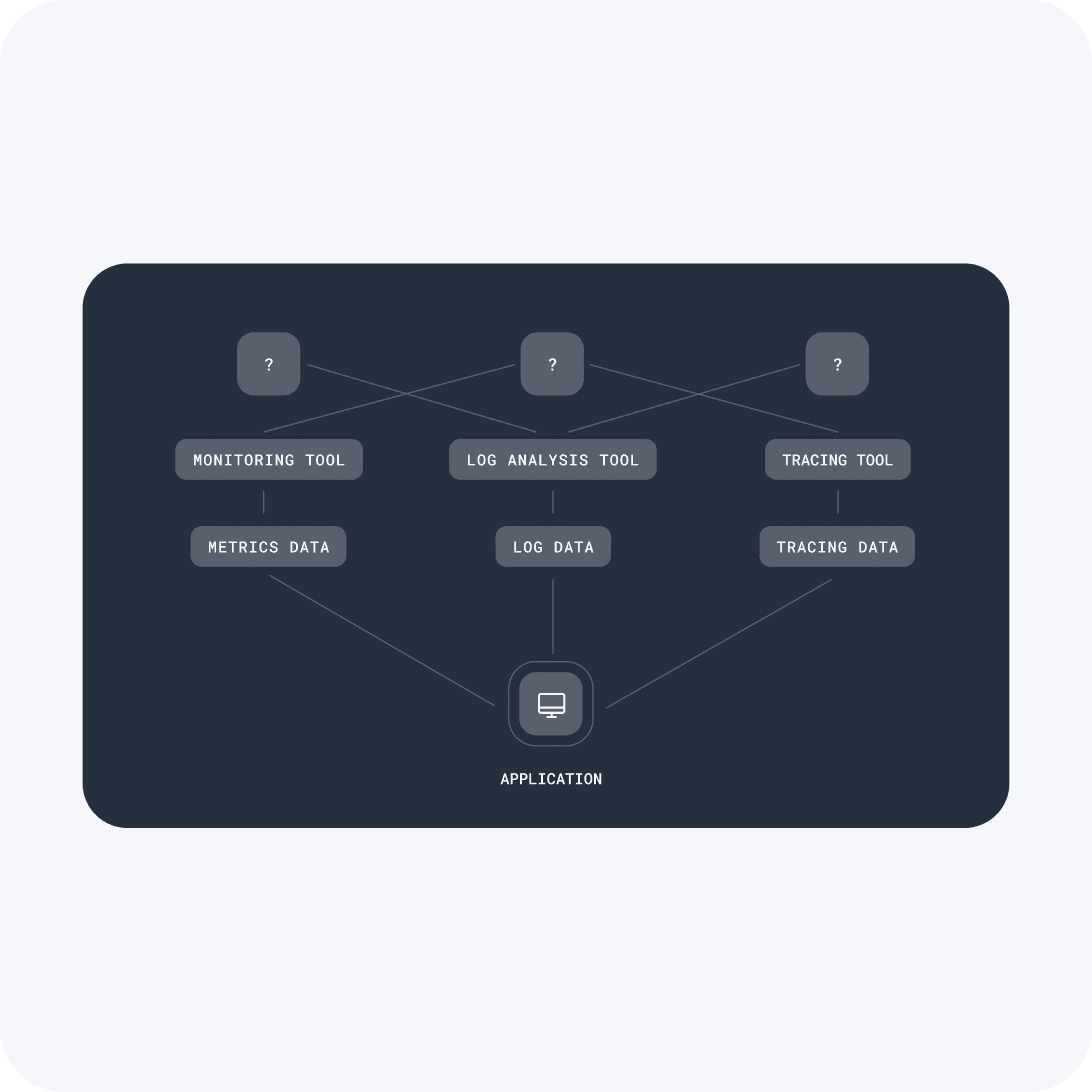
Traditional monitoring won’t scale with AI
Most observability tools were designed for operational work, with set thresholds for the metrics you tracked, and silos of log and trace data to wade through when something goes wrong. It’s a slow, reactive, expensive way to work that provides little support for teams building software to drive business impact. It certainly won’t work for agents writing, testing, and deploying code 100x faster.
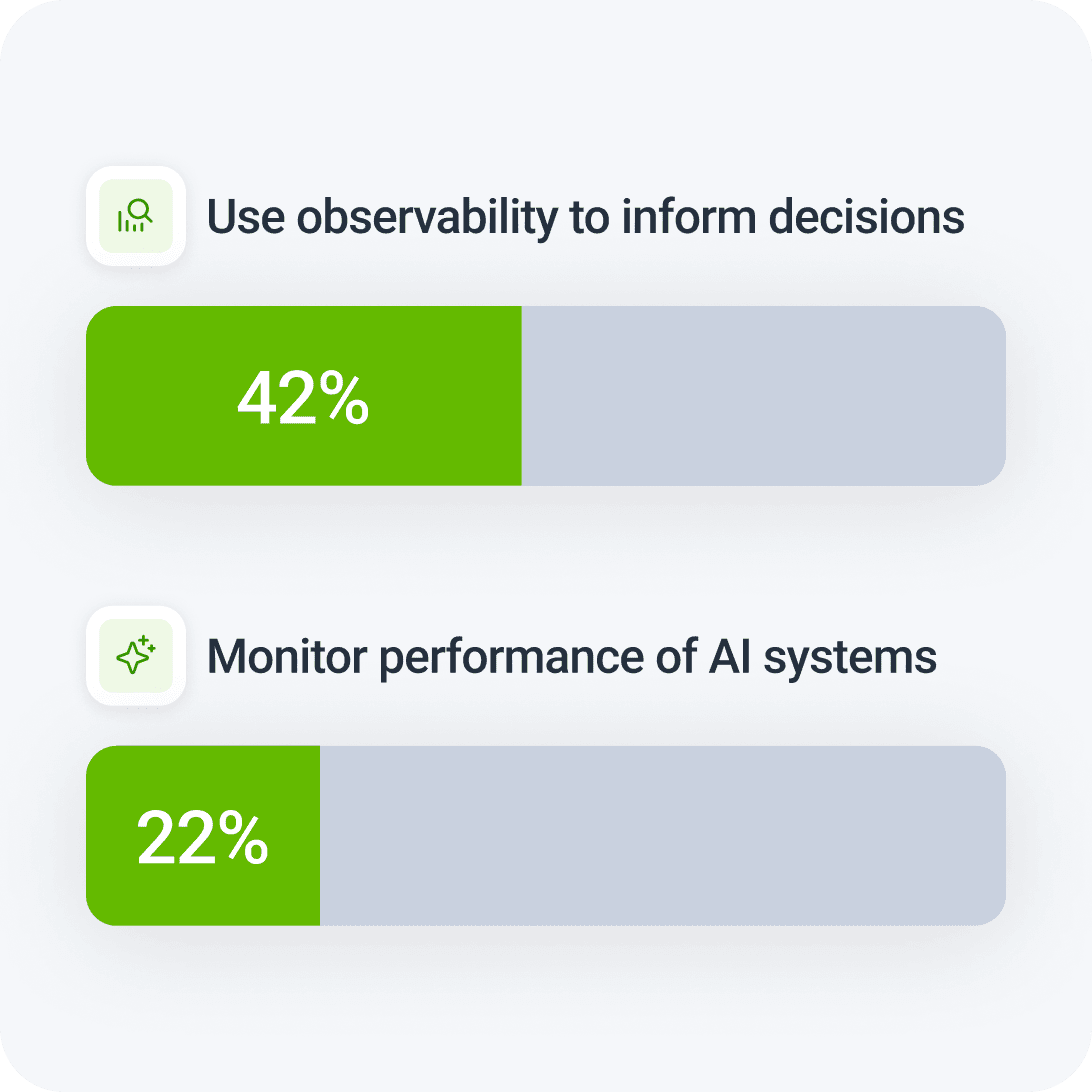
Most teams don't have enough visibility
Despite becoming more mainstream, observability is still broadly underutilized:
- Only 42% of engineering teams regularly use observability data to inform decisions.
- For AI systems, the gap is even wider: only 22% of organizations using or experimenting with AI are actively monitoring the performance of AI models.
Most teams have significantly less visibility into their systems than they think. (Source: LeadDev Engineering Performance Report, 2025)
Observability built for the
demands of AI
Honeycomb was built ten years ago from first principles, by asking what software engineers actually need to understand their systems in production. As it turns out, coding agents operating at 100x speed need exactly the same thing: fast, high-context, exploratory access to what's happening in production.
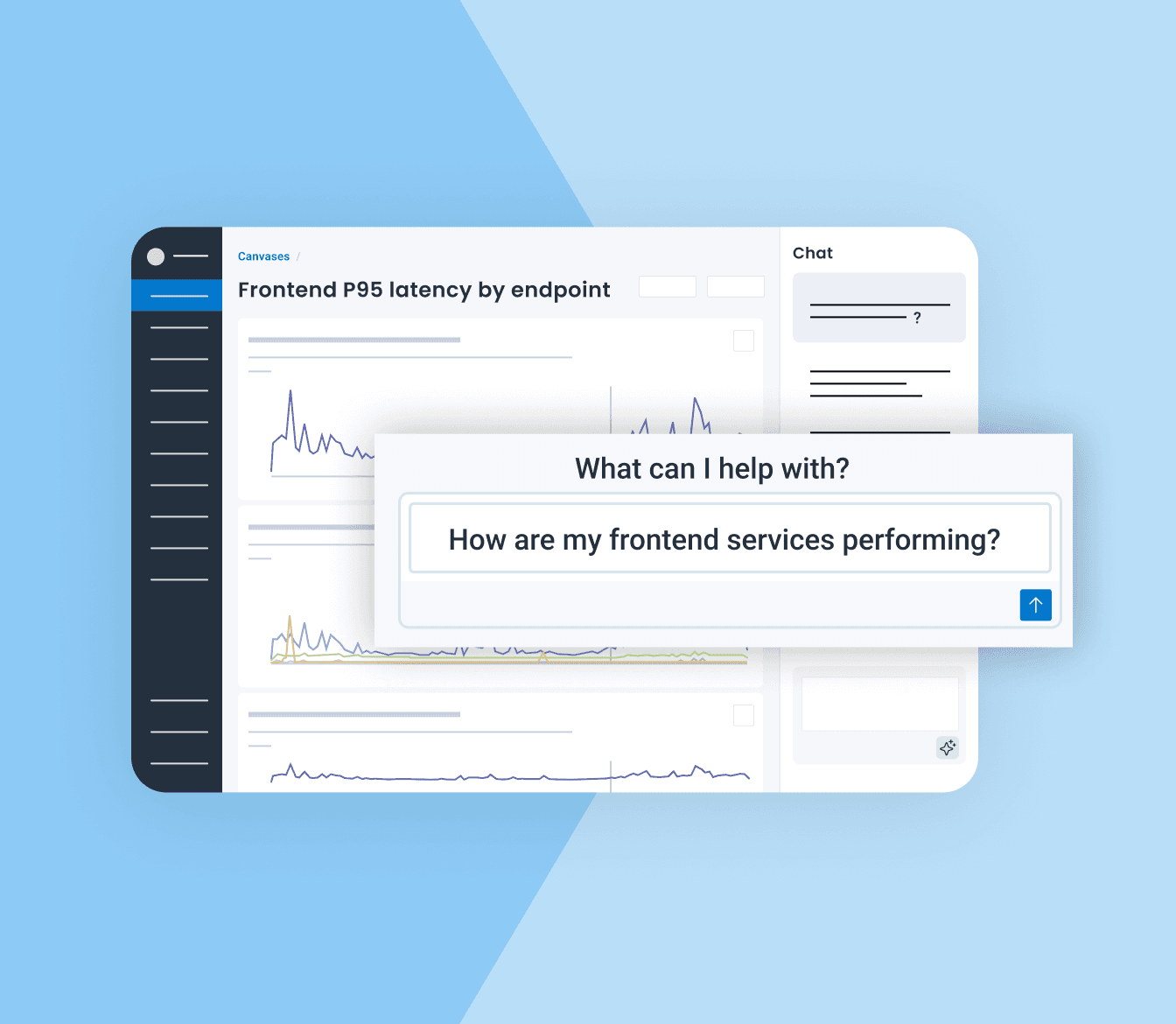
Built for the unpredictable
Understanding what went wrong in a complex AI system requires the ability to ask novel, open-ended questions of your production data. Honeycomb's unified data model retains the high-value relationships across production data so your team can actually investigate, rather than spending time correlating signals across multiple platforms. Or better yet, ask Canvas to investigate for you.
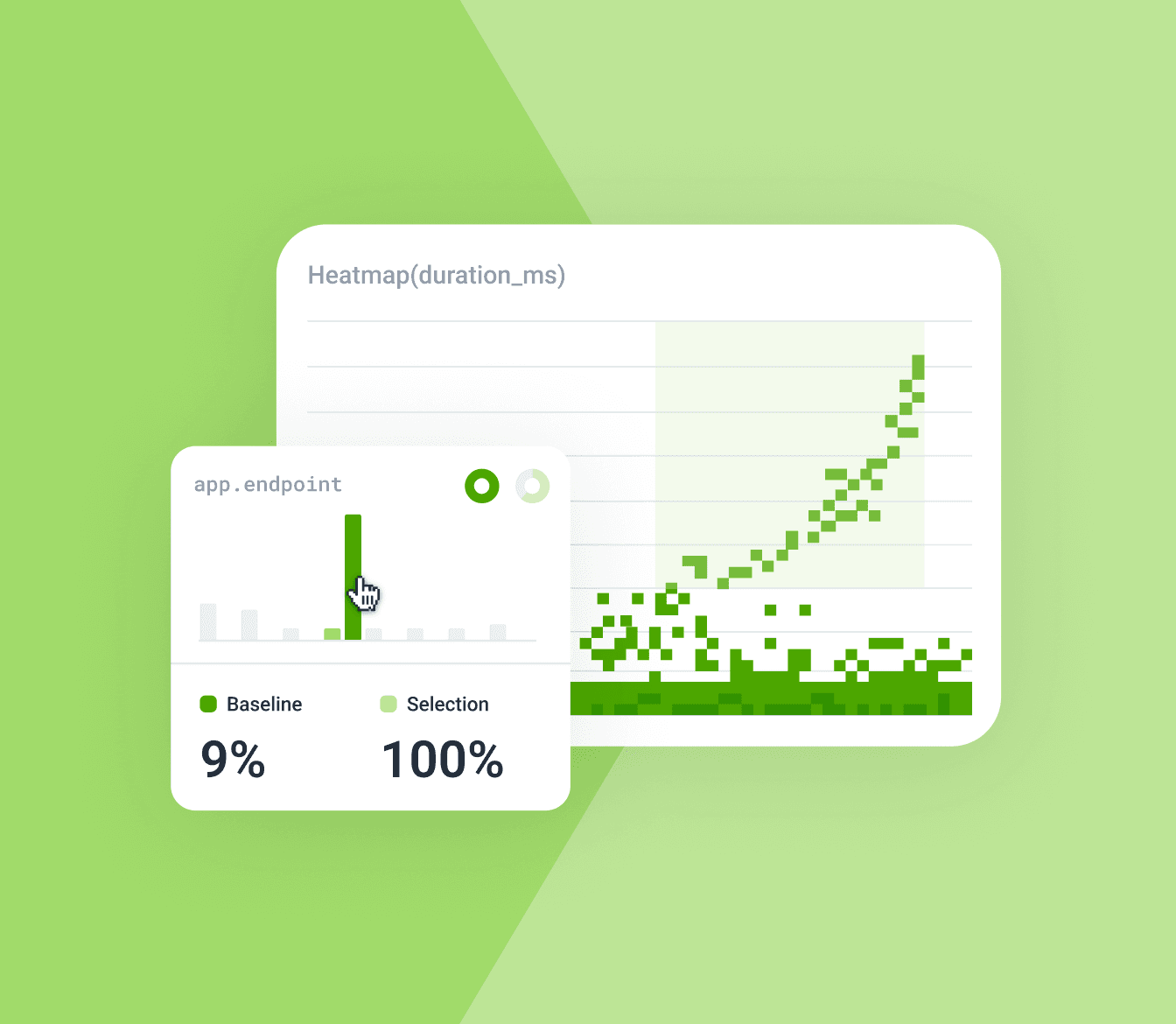
Built for speed
Honeycomb's purpose-built columnar data store delivers sub-second query times even across high-cardinality, high-dimensionality data. With Honeycomb, AI has near-instant access to terabytes of data to analyze faster than humans ever could. That speed changes how your team works. Engineers can shift from passively monitoring dashboards to actively exploring what agent-built code is doing in production.
Built for scale
Eliminate redundancies in your observability tooling, and pay only once to store all the events you need in Honeycomb without being penalized for adding context. As you build more (and faster) with AI, rely on Honeycomb’s scalable performance and OpenTelemetry standards to efficiently and quickly deliver answers to teams and agents.
Bottom line benefits
Teams using Honeycomb report measurable impact across the metrics that matter most to engineering leaders and their organizations
79%
Faster to respond to and remediate performance issues
45%
Reduced number of unplanned outages
42%
Higher DevOps team productivity reported
What our customers say
Observing LLM performance with traces
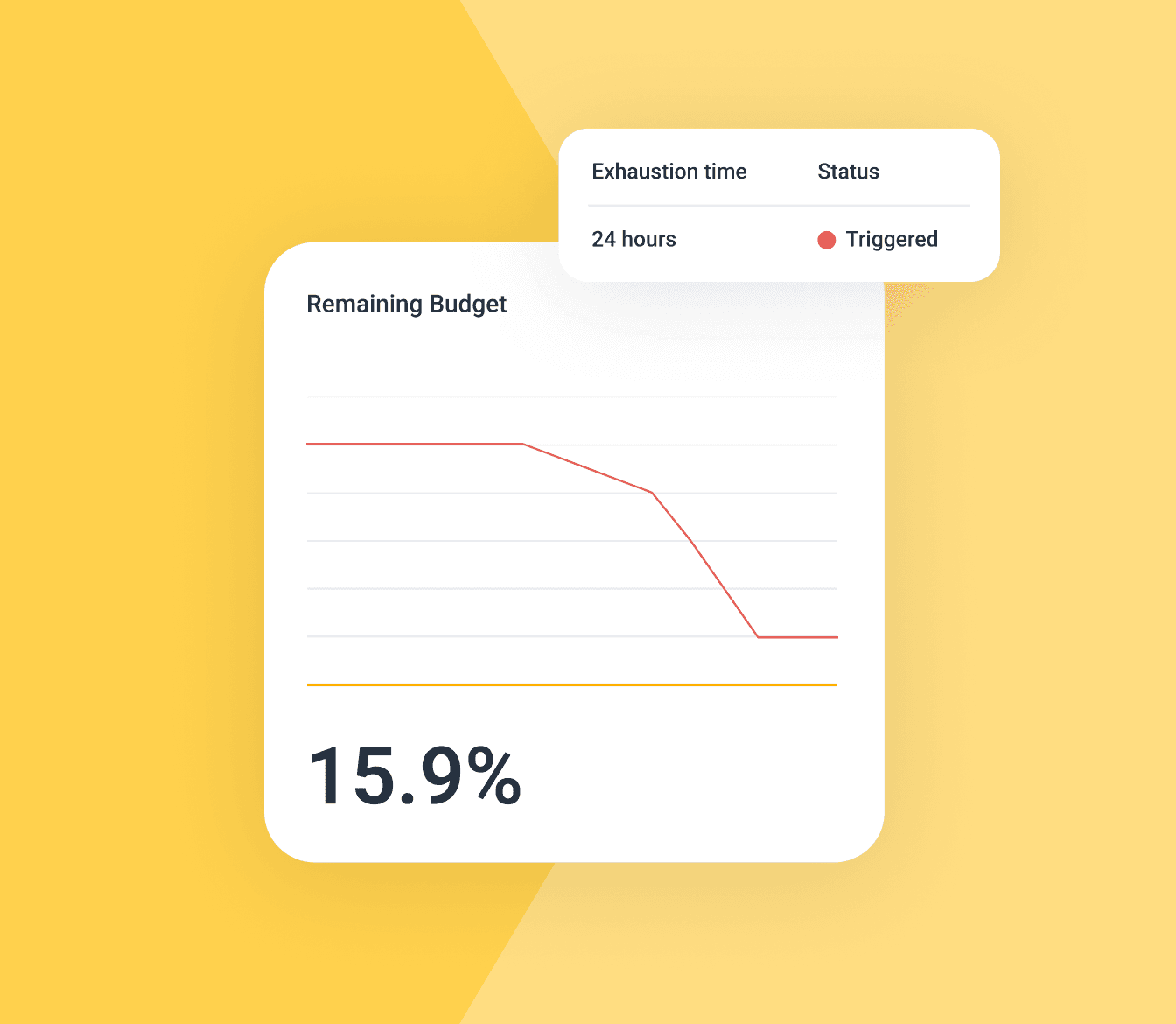
Intercom's Fin.ai is one of the most complex AI agents in production today. When an optimization to speed Fin up inadvertently created wasted LLM calls that Finance caught in a quarterly review, the team used traces rich with context to identify, fix, and verify the issue in real time. Then they put an SLO on it.
SLO-based monitoring has proven superior for LLM reliability than traditional metrics.
Given AI's unpredictable nature, SLOs help us catch and investigate anomalies without triggering a flood of noisy alerts.

Investigation to root cause in five minutes
After moving to Honeycomb, root cause identification dropped from one hour to around five minutes. Full frontend-to-backend tracing with OpenTelemetry gave engineers a single view across their entire stack. And observability costs dropped by 75% compared to their previous solution.
The culture shift was just as significant. Before Honeycomb, observability was an afterthought. Today, Scribe's engineers are integrating Honeycomb's MCP with Claude Code to investigate alerts and query system behavior directly from their development environment.
Once engineers experience good observability with Honeycomb, there's no going back.
Instrumentation ships with the code now. They won't have it any other way.

Improving slow job performance with MCP
Homeaglow's engineering team is small, fast-moving, and deeply invested in making every engineer as effective as possible. When they integrated Honeycomb's MCP with their AI coding tools, the impact was immediate: engineers could surface slow traces, identify bottlenecks like N+1 queries, and ship fixes in a fraction of the time.
Since we started using MCP, we have been able to improve performance of our slowest jobs in hours instead of days.
Engineers pair slow traces with our backend codebase to quickly identify N+1 queries, slow operations, or other bottlenecks and then work with tools such as Claude to build tests, then make improvements.

Trusted by innovators and enterprises worldwide








We’ve done this before
Observability transformation doesn’t happen overnight. We know; we’ve helped hundreds of engineering teams do it. Whether you’re starting from scratch or replacing a stack of fragmented tools, Honeycomb meets you where you are.
Start with quick wins
Honeycomb's team will help you find high-impact improvements fast, without requiring a full instrumentation overhaul on day one.
Go deep on what matters
Pick a high-impact service, workflow, or team. We'll be your partner to drive measurable results, whether that’s faster incident response, better developer feedback loops, more confident deploys.
Scale across the org
From one team to your entire engineering organization. We'll help you build the observability culture and practices that make it stick.
The door is open
AI has made good observability more important and more achievable than ever. Your software won't wait.