Honeycomb Named a Visionary in the 2026 Gartner® Magic Quadrant™ for Observability Platforms
For the third consecutive year, Honeycomb has been named a Visionary in the Gartner® Magic Quadrant™ for Observability Platforms. The recognition reflects Honeycomb's vision for fast, flexible, high-cardinality querying, agent-era observability with Agent Timeline and Canvas, and predictable event-based pricing at trillions of events.

By: Shabih Syed
Honeycomb Innovation Week: Full Day 1 Sessions
Watch a full replay of all keynotes on Day 1 of Honeycomb's Innovation Week.
Learn More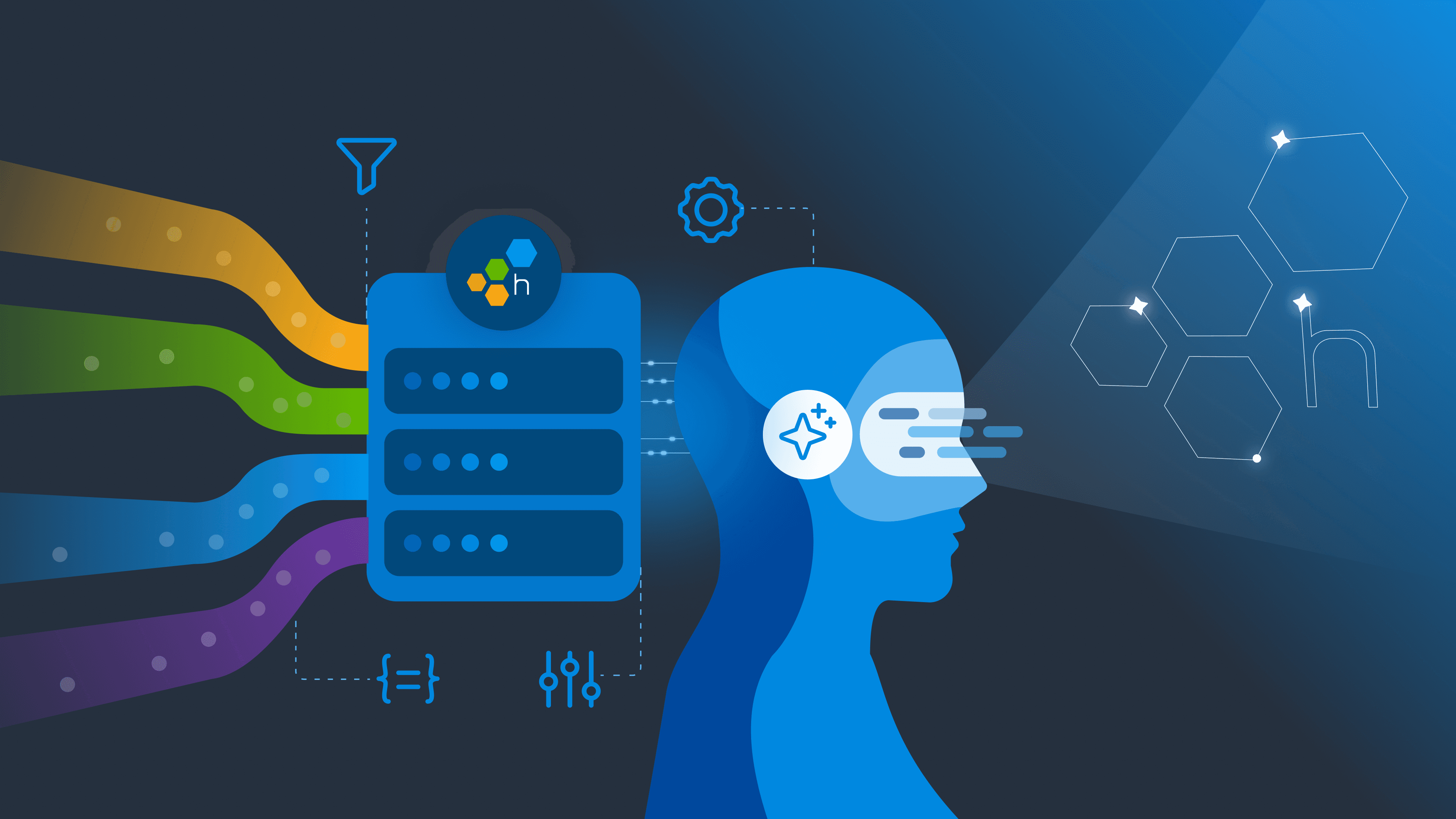
For the third consecutive year, Honeycomb has been recognized for its Ability to Execute and Completeness of Vision, and we believe for its strong vision around fast, flexible, high-cardinality querying that helps engineers understand not just that something broke, but why.
The software development lifecycle has collapsed. The neat sequence of plan, build, test, and ship that teams have relied on for 20 years is now happening in a single afternoon. AI writes a large share of the code. Agents run in production and make decisions no one scripted. The old checkpoints that used to catch problems before customers did are mostly gone.
What is left is one question that matters more than any other: do you actually understand what your software (or agent) is doing right now? When your software is the business, that understanding is the job.
That belief is why Honeycomb exists, and we think it is why Gartner named us a Visionary in the 2026 Magic Quadrant for Observability Platforms for the third year in a row.
Read our O’Reilly book, Observability Engineering
Get your free copy and learn the foundations of observability,
right from the experts.
Understanding, not dashboards
Most tools were built to tell you that something broke. Honeycomb was built to tell you why.
With fast, flexible querying and native support for high-cardinality data, engineers can follow a question in real time across trillions of events, without deciding in advance which dashboards to build. That is the difference between watching a chart move and knowing what actually changed.
This matters more as the SDLC compresses. When code ships in hours instead of weeks, slow understanding stops being an engineering inconvenience and becomes a business risk that compounds at scale. The teams that win are the ones that can move from “something looks off” to “here is exactly why” before the customer ever notices.
The agent era asks a harder question
AI has fundamentally changed the question observability has to answer. Your eval tool can tell you the answer was wrong. It cannot tell you why the run went wrong. And the root cause of an agent failure is rarely the model. It is a tool call, an API, a database, or a piece of context that was missing at the moment it mattered.
That is what Honeycomb's Agent Timeline is for. It organizes every agent invocation, LLM call, and tool call by conversation ID, so an engineer can drill from a failing span into the full trace and find the real cause. It works alongside Honeycomb Canvas, our AI-native investigation surface where engineers and AI work through the data together.
We are deliberate about where we fit. New tools are being developed to build, debug, and evaluate agents before they ship. Honeycomb owns the production picture and coexists with them, connecting a bad conversation to what the infrastructure was doing at that moment, and treating cost, quality, and reliability as one objective rather than three separate tabs or reports.
Predictable costs at trillions of events
Cost is where most observability stories fall apart. Vendors promote flexibility right up until the bill arrives.
Honeycomb takes a different position. Event-based pricing rewards teams for collecting the rich, high-cardinality telemetry that actually helps them debug, instead of taxing it. With Refinery tail sampling and the ability to route, filter, sample, and rehydrate data from S3 in real time, teams shape their data volumes without losing signal. The result is observability costs that stay predictable while keeping the telemetry signals that are most important to you.
We created this category, and we are still ahead of it
Honeycomb created the observability category, and that same instinct now drives our work in agent observability. We think that is why the vision resonates. The platform is aligned with where software is actually going: AI-native, event-driven, and impossible to run blind.
We are not the only ones who see it. In a June 2026 research note, IDC wrote that Honeycomb's Agent Timeline addresses the agent audit-trace problem “with depth no competitor in this segment matches,” and described our direction as a move from remediation toward validation.
For us, this placement is a signal, not a destination. Honeycomb was built for teams thinking five steps ahead: platform engineers, AI engineers, SREs, and DevOps teams building for what comes next. If that is you, you want Honeycomb in your stack today.
Thank you to our customers and community who push us forward every day.
New to Honeycomb? Get your free account today
Distributed tracing, BubbleUp, Agent Timeline, and more. Start for free.
Gartner, Magic Quadrant for Observability Platforms, 13 July 2026.
Gartner does not endorse any company, vendor, product or service depicted in its publications, and does not advise technology users to select only those vendors with the highest ratings or other designation. Gartner publications consist of the opinions of Gartner's business and technology insights organization and should not be construed as statements of fact. Gartner disclaims all warranties, expressed or implied, with respect to this publication, including any warranties of merchantability or fitness for a particular purpose.
GARTNER and MAGIC QUADRANT are trademarks of Gartner, Inc. and/or its affiliates.