Meet the Author

Rox Williams
Senior Content Marketing Manager
The First of Her Name, Mother of Pugs, Breaker of Leashes, Khaleesi of the Goth Office, Rox is the Senior Content Marketing Manager at Honeycomb. She comes to us with a background in DevOps writing. In her spare time, you can find her at a vegan restaurant with her partner, or adopting too many senior pugs.
Explore Author's Blog

2024 Wrapped: 6 Key Observability Trends
Another one in the history books: 2024 is (almost!) over. The OpenObservability Talks podcast, hosted by Dotan Horovits, recently featured a lively discussion with Charity Majors, Co-founder and CTO of Honeycomb, to reflect on the trends, achievements, and future of observability.

Beyond Monitoring: A Guide to Cloud Observability
With more and often smaller processes, cloud-native architectures have driven the need for better insights into our software—a way to look into how these processes fit together. To accomplish this insight, we use an approach that goes beyond traditional monitoring and provides deep insights into system behavior. This approach is cloud observability.
Tracing the Line: Understanding Logs vs. Traces
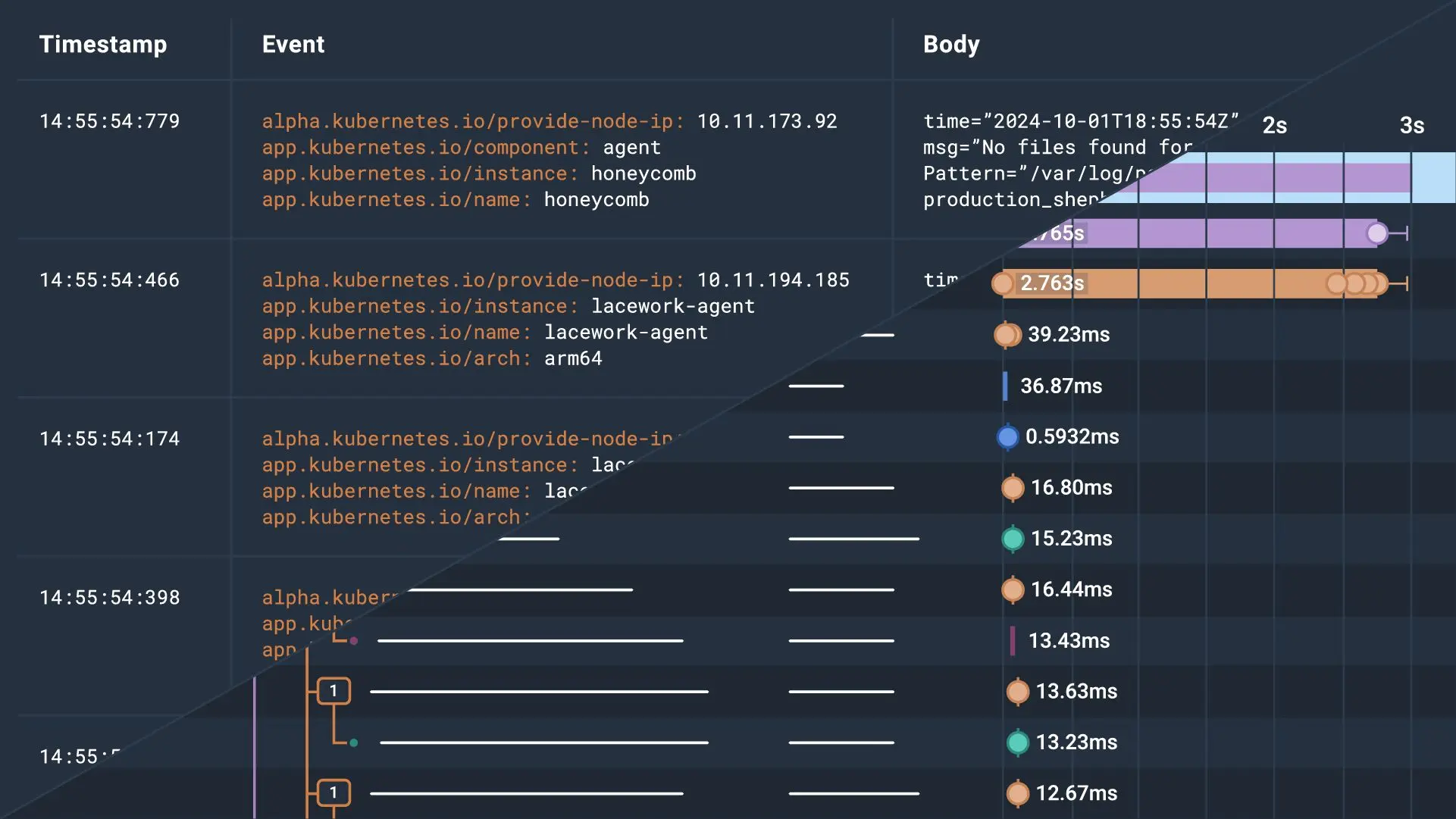
In the software space, we spend a lot of time defining the terminology that describes our roles, implementations, and ways of working. These terms help us share fundamental concepts that improve our software and let us better manage our software solutions. To optimize your software solutions and help you implement system observability, this blog post will share the key differences between two important terms: traces and logs.
An Engineer’s Checklist of Logging Best Practices
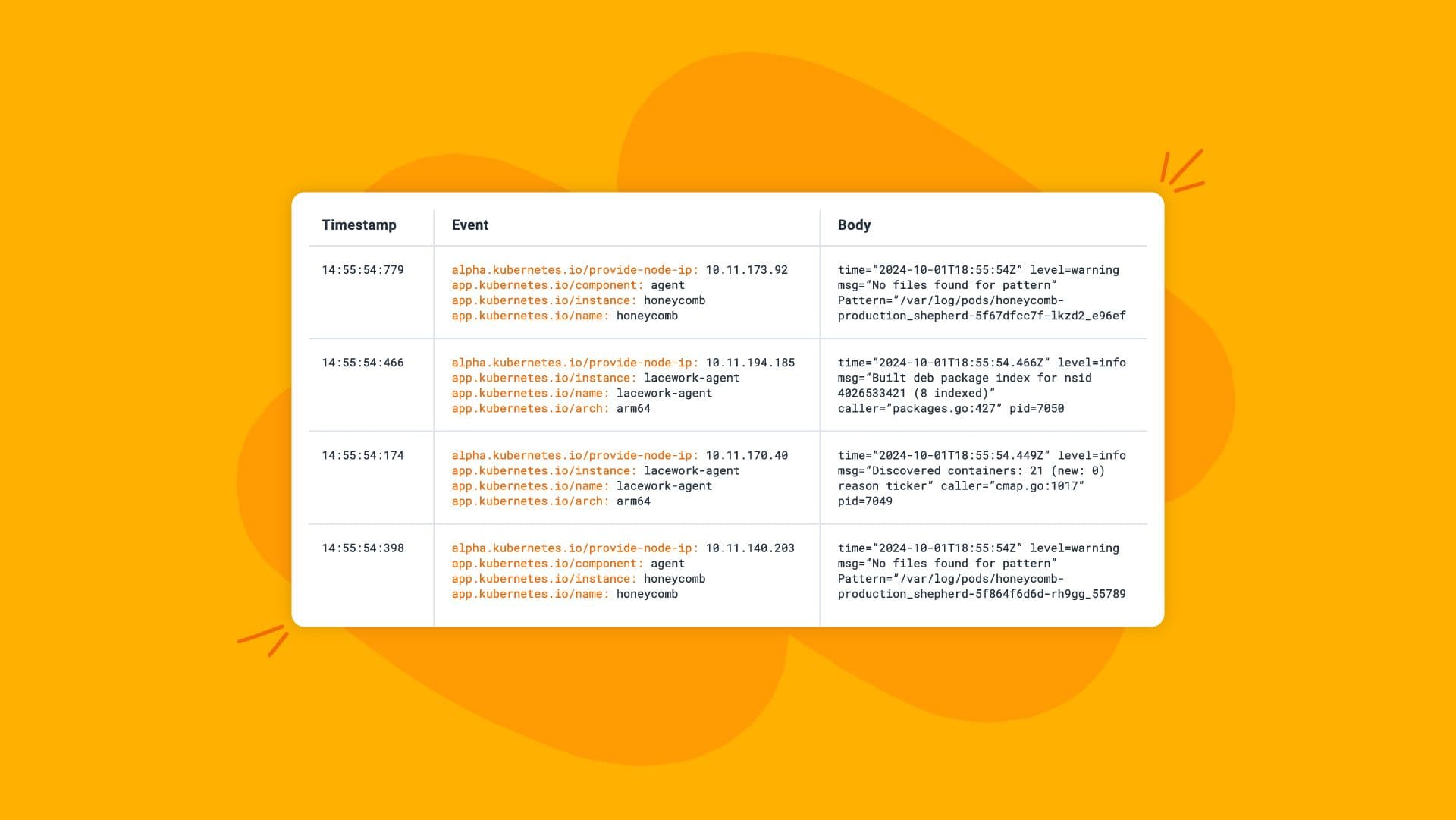
The best DevOps and SRE teams have shifted their approach to monitoring and logging their systems. These teams debug problems cohesively and rationally, regardless of the system’s complexity. Gone are the days of having a slew of logs that fail to explain the cause of alerts, system failures, and other unknowns.
Getting Started With Log Management
Whether you’re using logs to debug issues, keeping an eye on system performance, or protecting your infrastructure, good log management hygiene can make a huge difference. In this article, we’ll teach you the basics of log management, why it’s so important, and how you can contribute to important business goals.
What Is Full-Stack Observability?
Simply put, full-stack observability is monitoring designed for modern, cloud-native architectures. It allows you to understand how your software system interacts at scale, across everything from traditional mainframes and legacy clients to modern serverless or Kubernetes-based services.

Navigating Software Engineering Complexity With Observability
In the not-too-distant past, building software was relatively straightforward. The simplicity of LAMP stacks, Rails, and other well-defined web frameworks provided a stable foundation. Issues were isolated, systems failed in predictable ways, and engineers had time to innovate on new features for the business. And it was good.
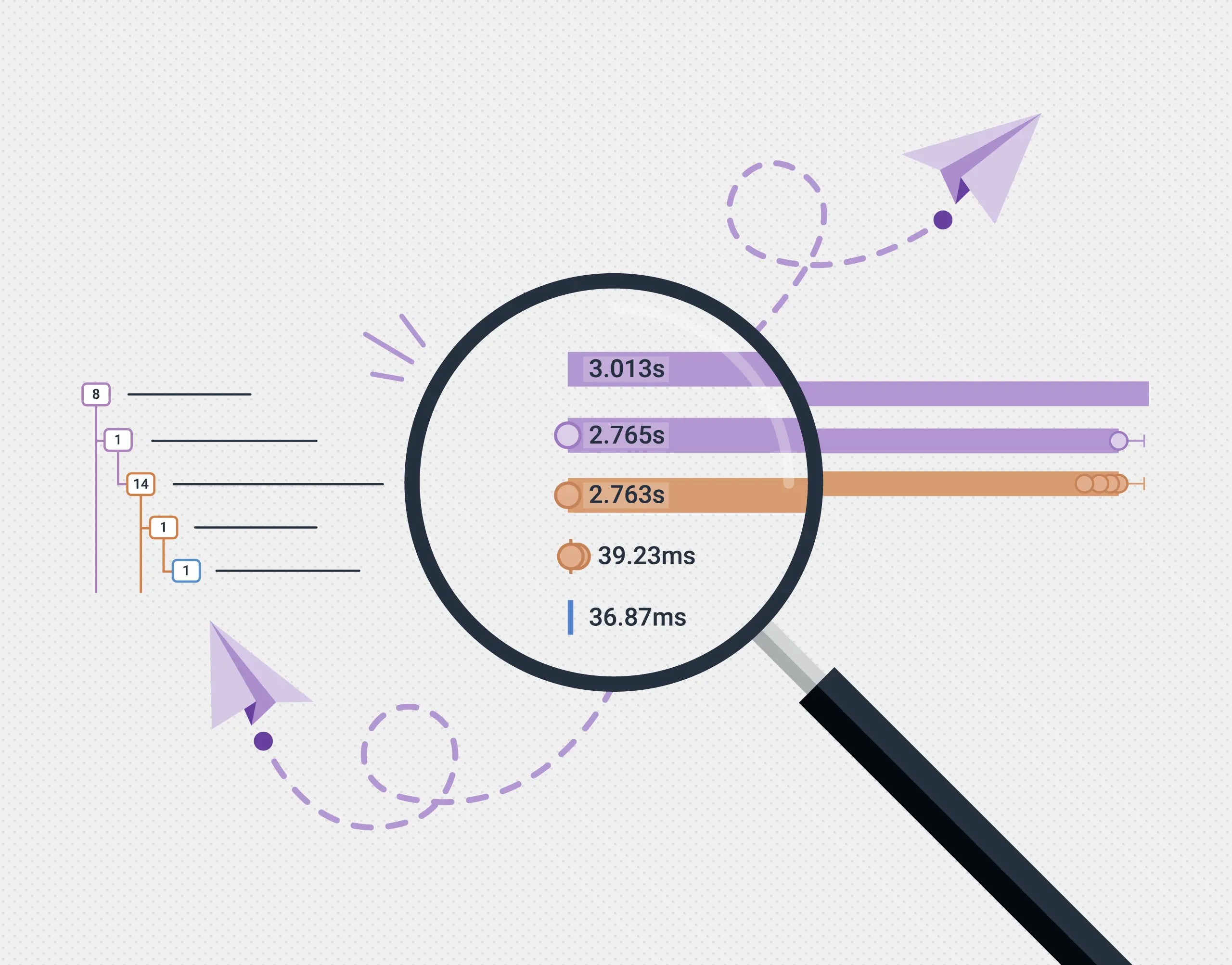
Observability, Telemetry, and Monitoring: Learn About the Differences
Over the past five years, software and systems have become increasingly complex and challenging for teams to understand. Simply understanding what’s broken is difficult enough, but trying to do so while balancing the need to constantly innovate and ship makes the problem worse. Your end users have options, and if your software systems are unreliable, they’ll choose a different one.

A Day in the Life: Customer Success
We thought it’d be fun to give you some insights into what certain teams at Honeycomb do and how they spend their days, and who else would we start this experiment with than our fabulous customer success team? Without further ado, meet four of our bees!
Now Available: Honeycomb Launches Data Residency in Europe
At Honeycomb, we are very concerned about privacy and data sovereignty—it’s something we take very seriously, and in an effort to serve our customers better, we’re thrilled to announce that we now offer data residency in Europe.