Honeycomb was built for the AI era. Learn how to futureproof your software for what comes next.
Discover why Honeycomb is the better choice for your engineers, your customers, and your bottom line.
Start your journey with the definitive guide to observability. Download our complimentary ebook.
Bring observability to every software engineer.
Learn about our company, mission and values.
Come for the impact, stay for the culture.
See Honeycomb's latest press releases, media, and more
Learn more about becoming a Honeycomb partner.
Already a Honeycomb customer?
Charity Majors
The final part of Honeycomb's AI Norms & Values series: the principles the company holds true about AI as a tool, ownership of work, and rising standards; how it actually uses AI day to day; usage patterns for respecting each other's time; and where it stands on AI's ethical externalities like energy use, IP, bias, and wages.
Rox Williams
Austin Parker
Kale Bogdanovs
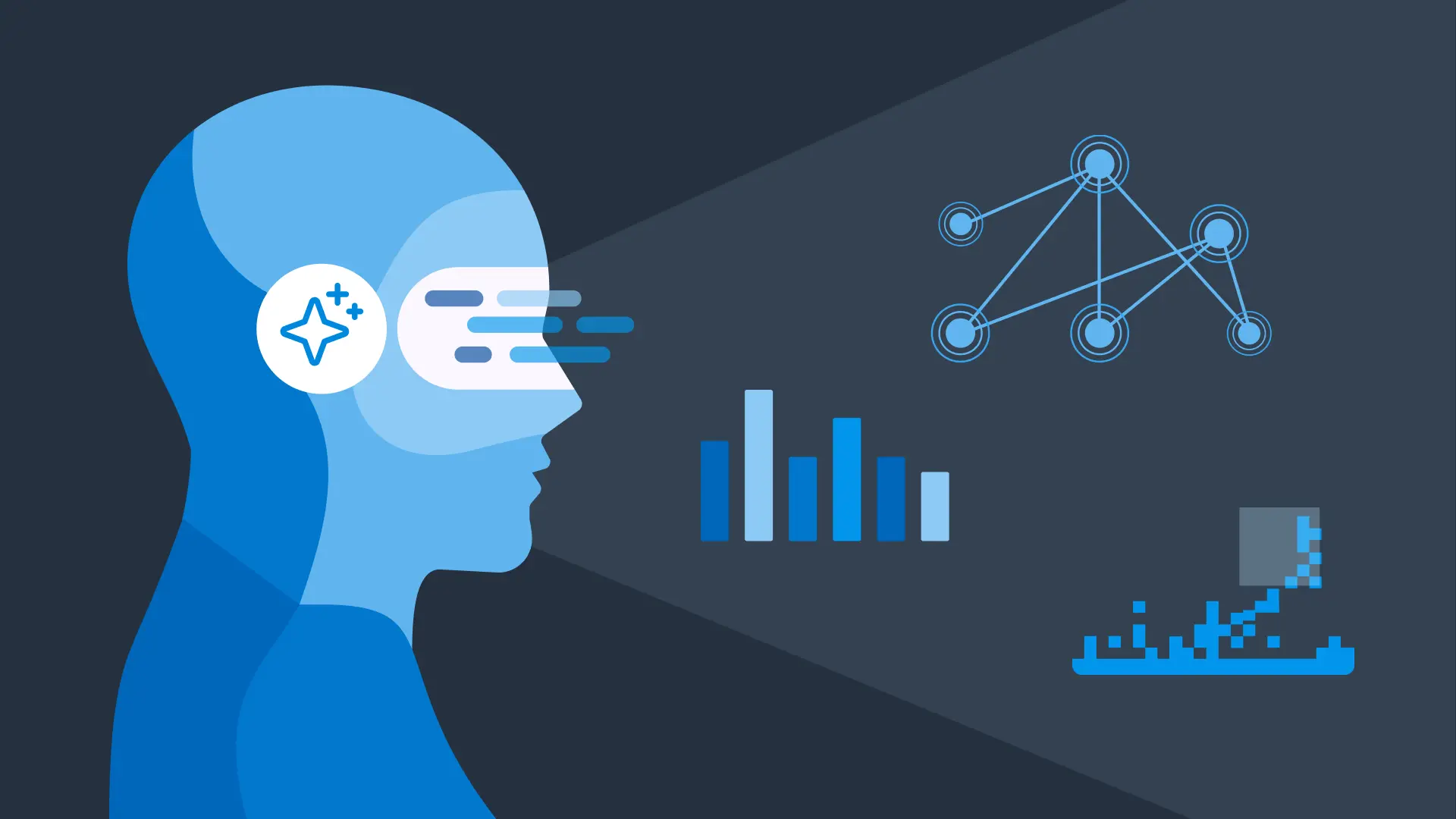
Every BubbleUp query now surfaces significant correlations based on relevance, not just statistical analysis. Available today to all Honeycomb customers who have enabled Honeycomb Intelligence.
Dan Juengst
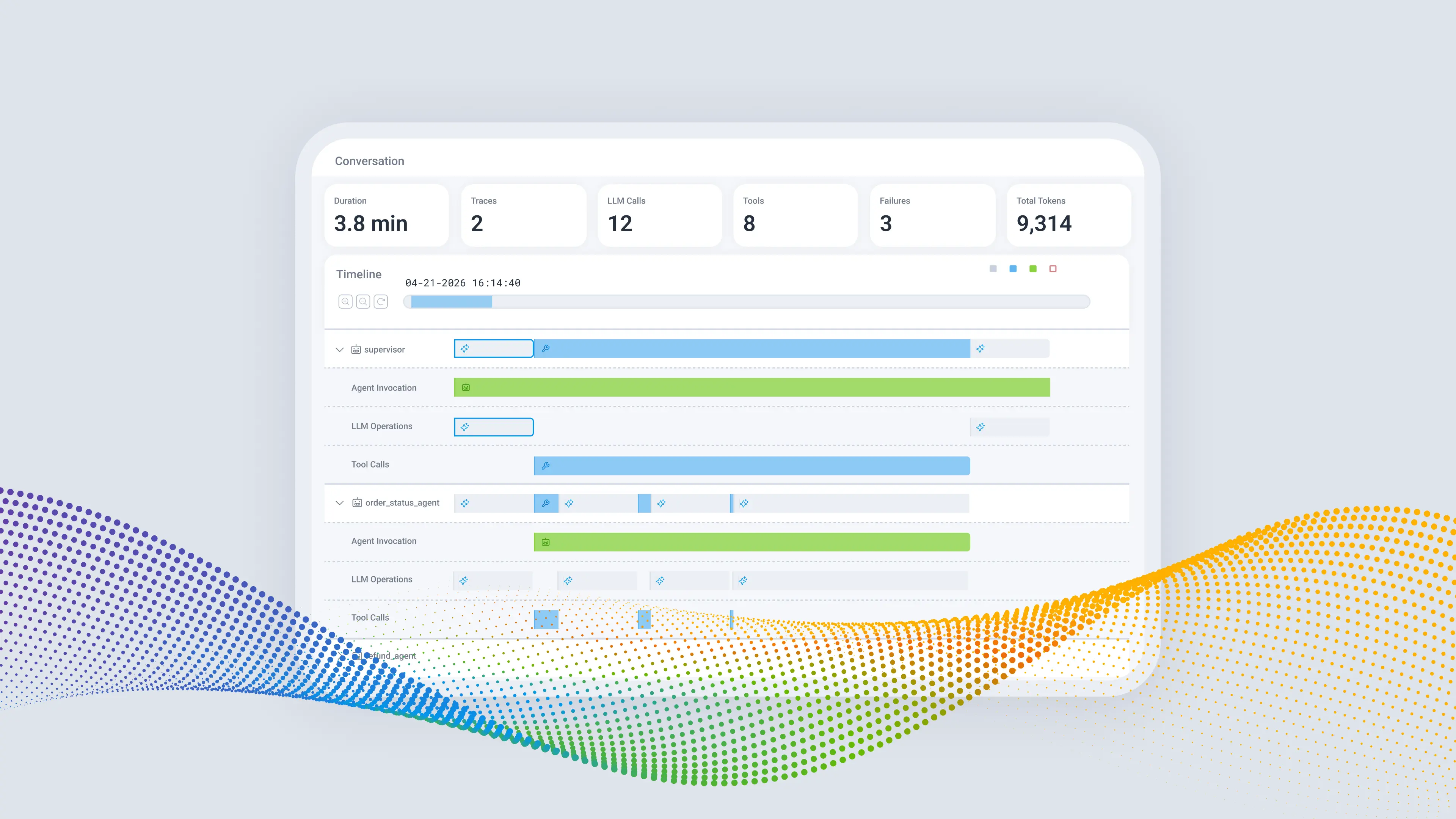
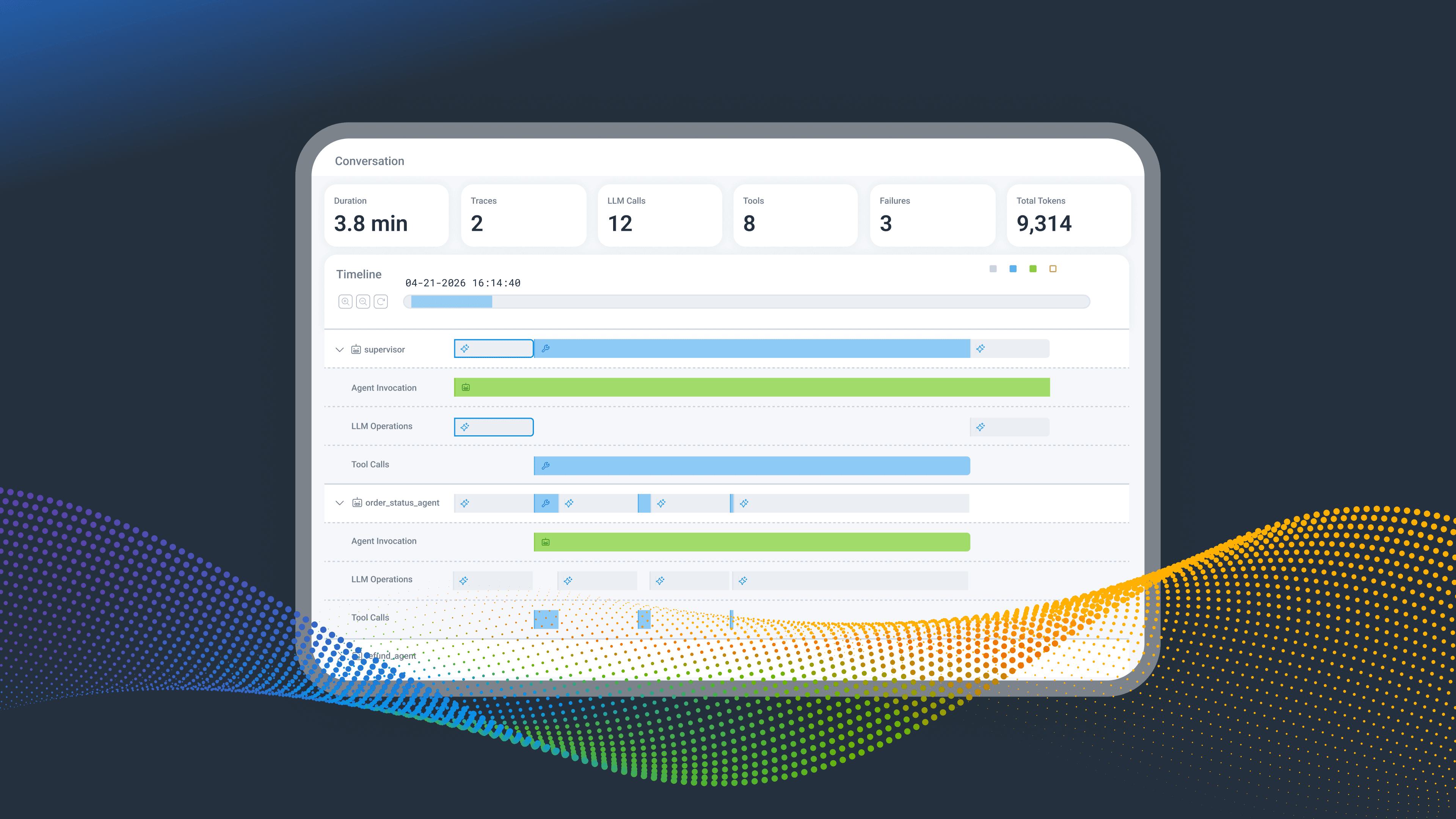
Honeycomb’s Agent Timeline gives you a unified view of LLM behavior and multi-agent workflows, so you can investigate entire conversations and quickly see where prompts, tool calls, and failures happened, in the order they happened.
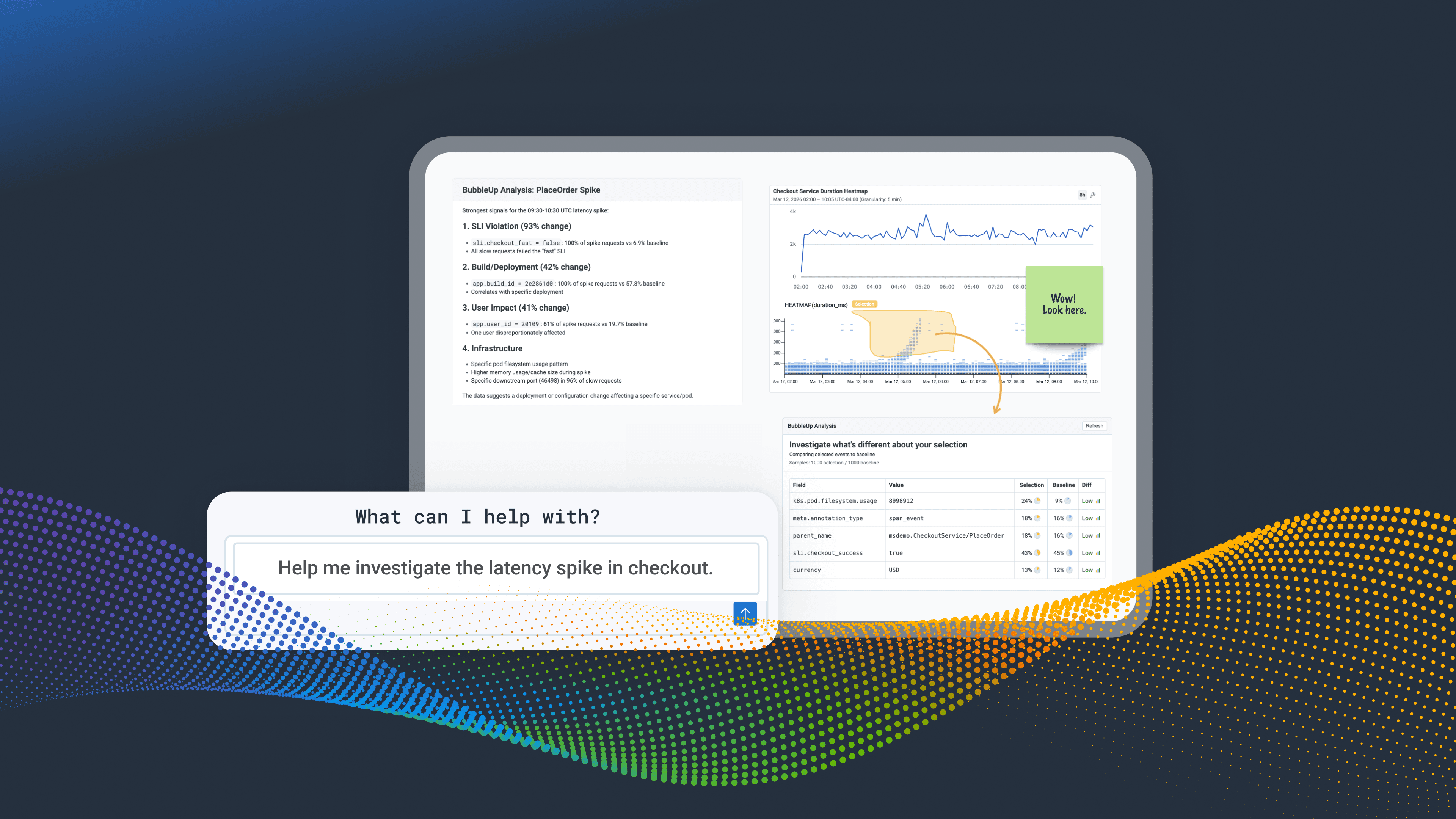
Auto-investigations that start the moment a trigger fires. Custom skills that encode your team's runbooks. A live workspace where humans and agents investigate production together. Now available to all Honeycomb customers.
Every LLM call, every tool invocation, every agent handoff, every downstream service span, in one conversation, in one view. Now in Early Access.
With the release of our Agent Skills, we’ve used our domain knowledge to make your agents even more powerful. Instead of having to copy and paste blocks of markdown into Claude Code, we've distilled everything we know about using Honeycomb into a set of core skills, packaged it up, and are making it open source today!
Toni Chou
The tradeoff between data completeness and cost has been a feature of metrics platforms for as long as they’ve been around. And as AI becomes central to how engineering teams build and operate software, it is about to become a much more expensive problem.
Mei Luo
The Honeycomb Slackbot is available now in beta for Enterprise customers. Reach out to your customer success team to learn more and get set up!
Emily Nakashima
We’re excited to announce Honeycomb Private Cloud, an offering that combines powerful observability with deployment flexibility and enhanced governance controls.
Jessica Parsons
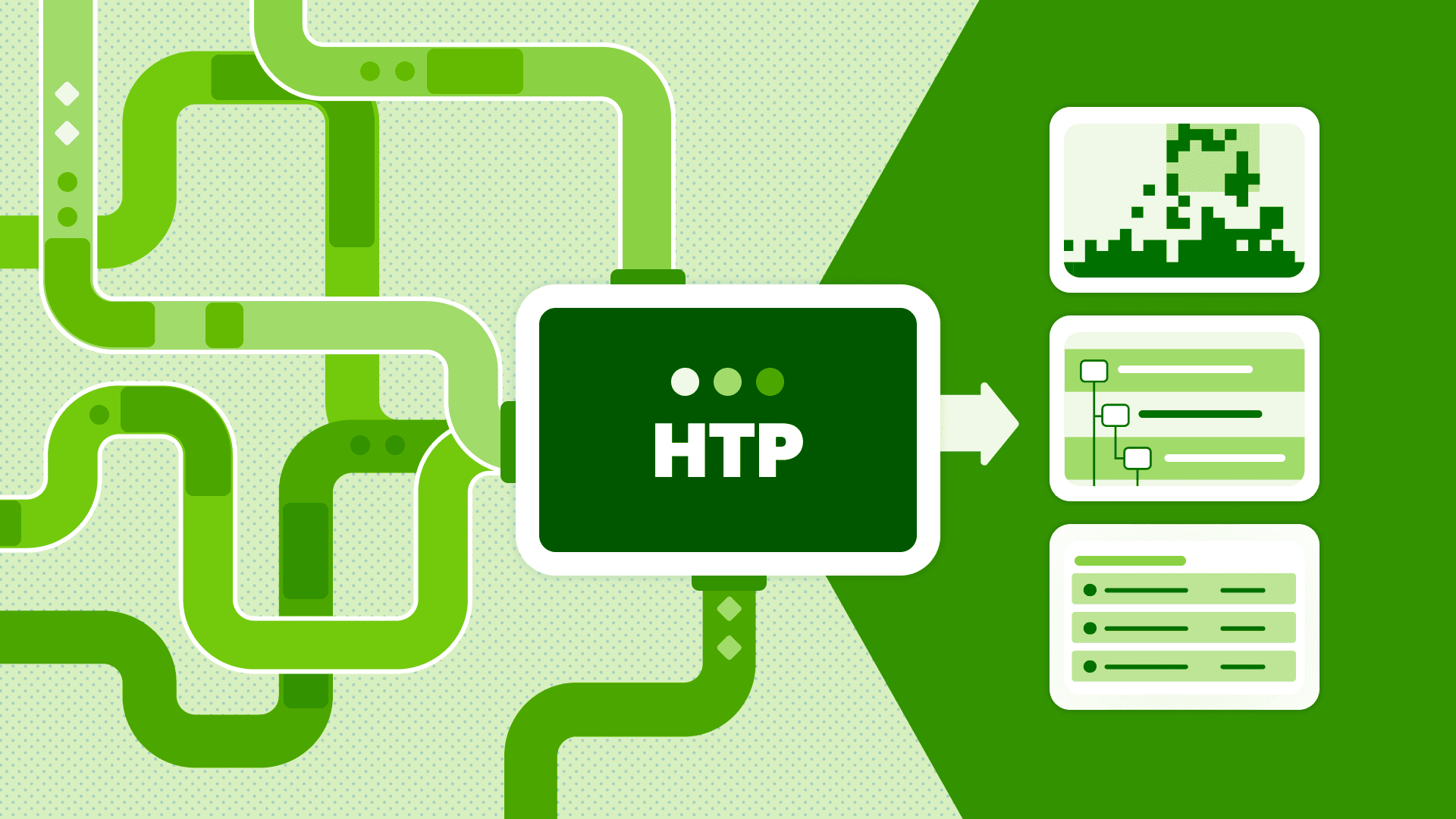
Today, we’re introducing the latest enhancements to Honeycomb Telemetry Pipeline, which give teams deeper visibility into pipeline health, more efficient access to archived telemetry data, and reduced operational complexity.
Somewhere in here is the number that tells me why my checkout flow keeps breaking.
Morgante Pell
We’re thrilled to announce that Canvas is now Generally Available (GA) for all Honeycomb users.
Jacob Newton
Honeycomb’s role-based access control system helps teams strike that balance with a selection of Owner, Member, and Read-Only member roles.
Get it delivered straight to your inbox.
By subscribing to our newsletter, you agree to Honeycomb’s Terms of Service and Privacy Notice.
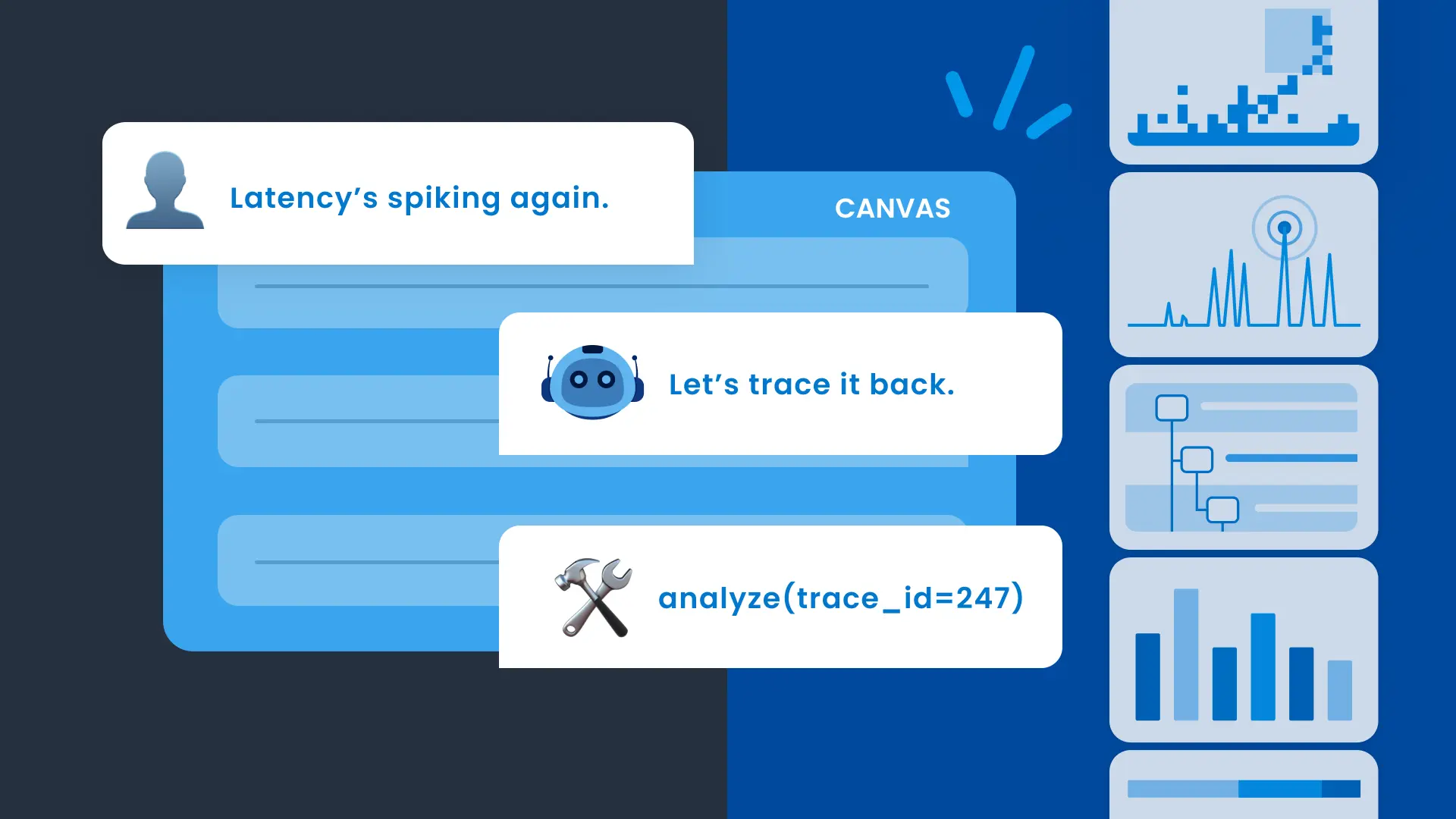
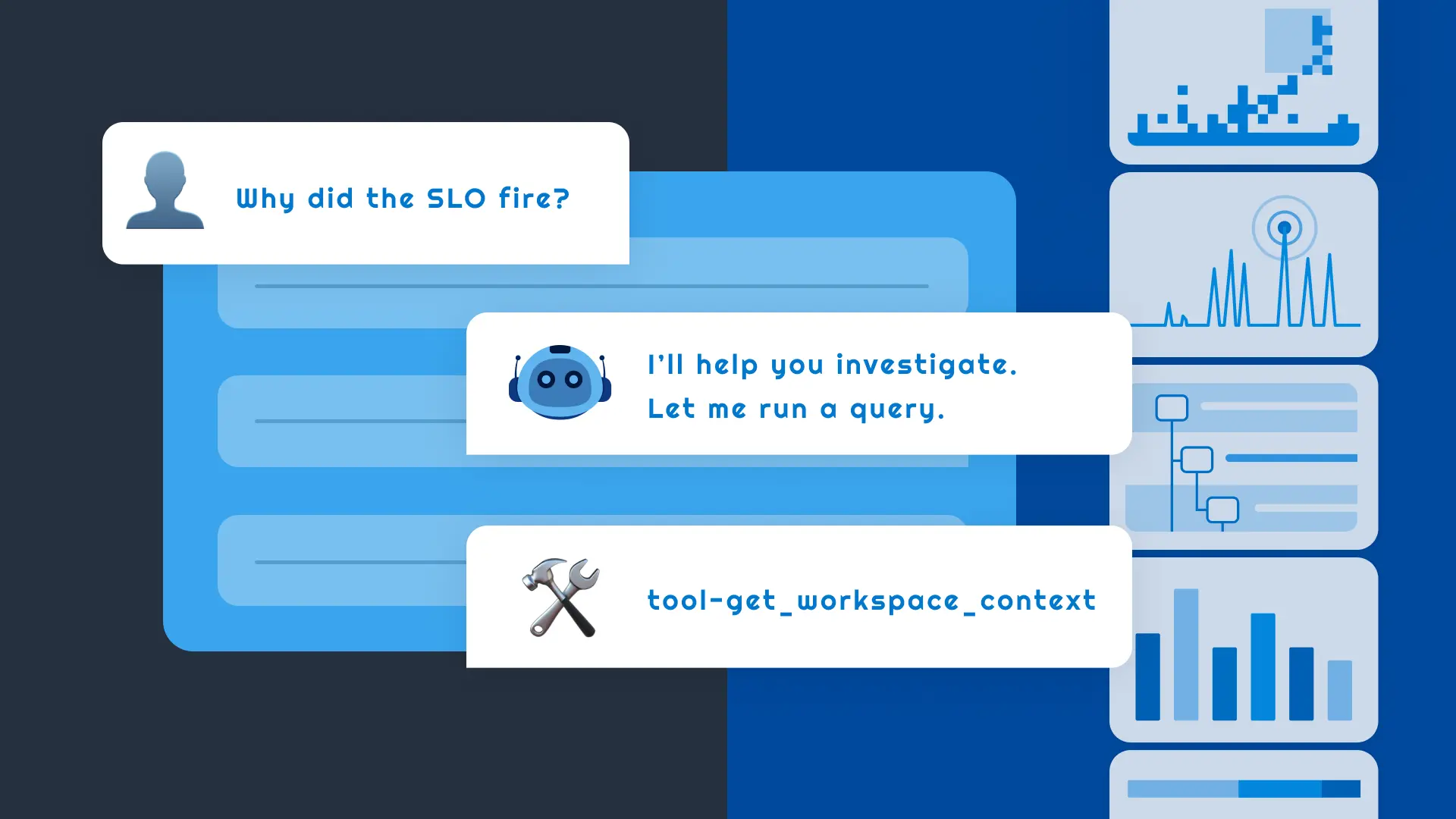
Canvas is an AI-guided workspace inside Honeycomb that combines an AI assistant with an interactive notebook for visualizing query results and traces. You can ask a natural language question about your data and Canvas will immediately start exploring your traces, through multiple queries and other tools, to find the right next steps.
Matt Ransford
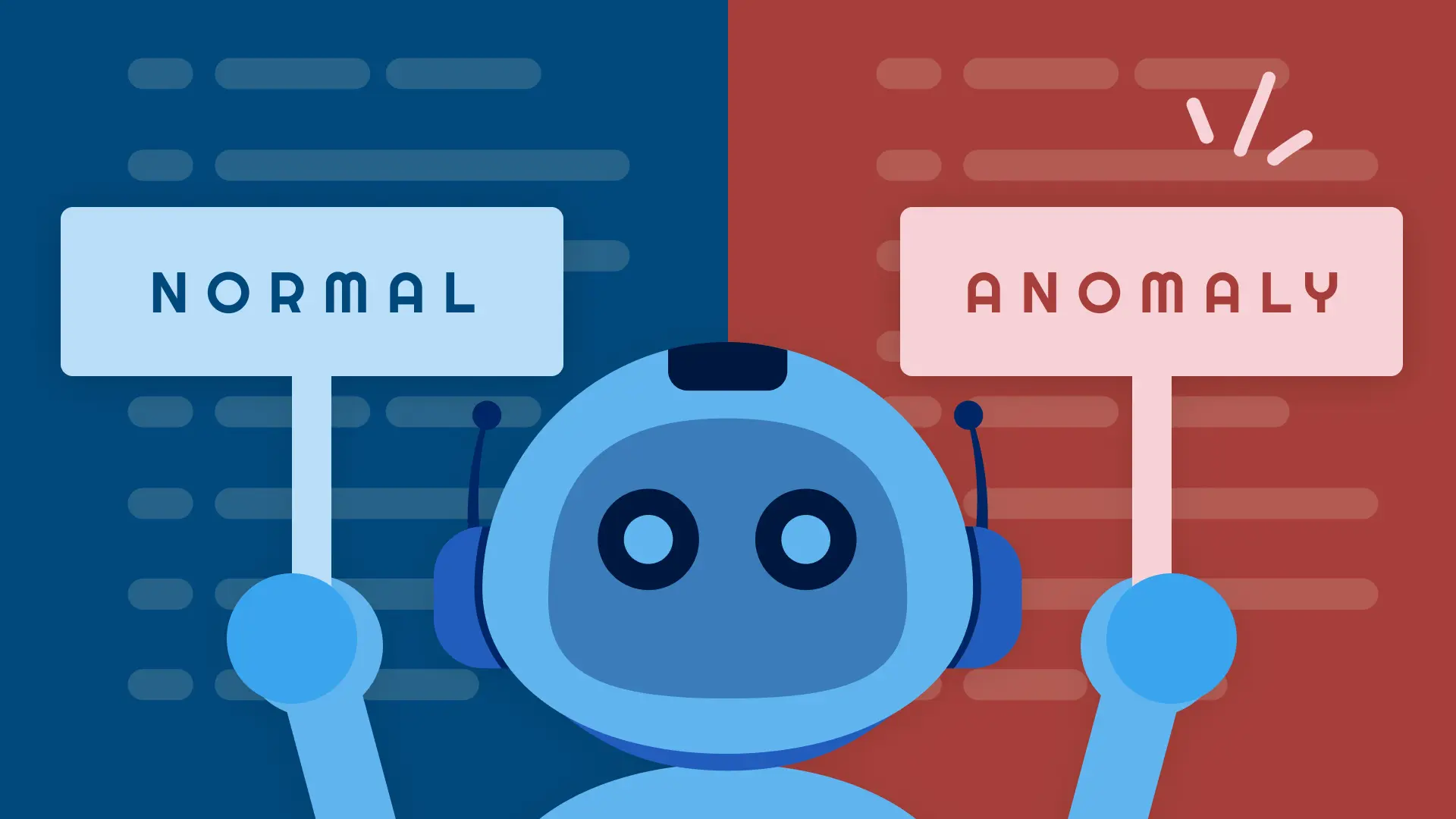
Today, we're excited to announce the release of Anomaly Detection (currently in alpha), Honeycomb's proactive approach to understanding and acting on service health.
If you’ve been following my public journey with LLMs this year, it probably won’t surprise you to learn that this blog post is an announcement about the general availability of Honeycomb’s hosted MCP server. I want to share a few updates about what’s new in the GA release, discuss some interesting learnings from building it, and share examples of how we’re using MCP internally.
Jason Harley
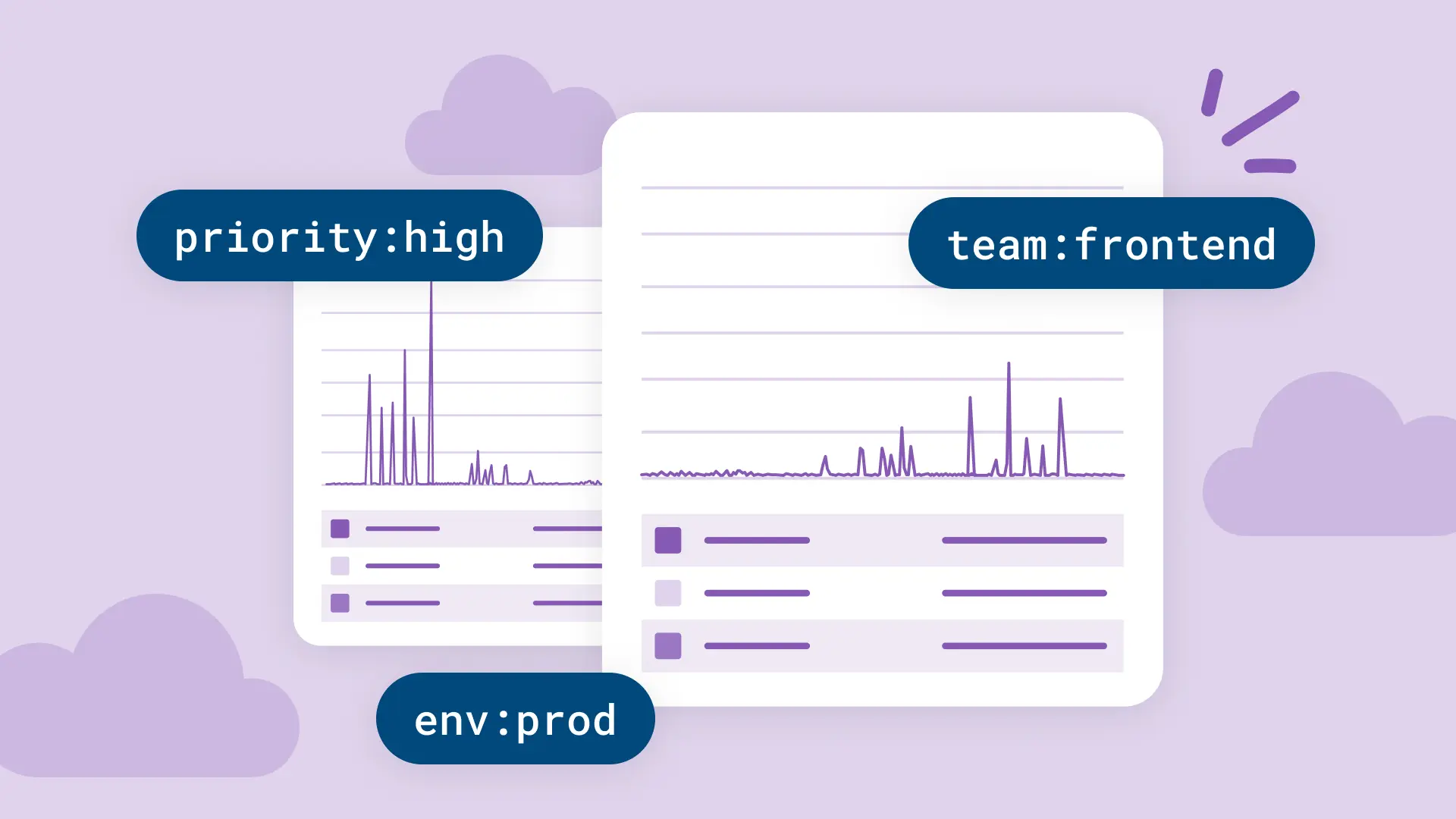
We're thrilled to announce that Honeycomb Tags are now generally available across SLOs, triggers, and boards! Over 100 customers are already actively tagging their observability resources in Honeycomb today.
Elsie Phillips
Quinn Leong
Earlier this year, we introduced relational fields. Relational fields enable you to query spans based on their relationship to one other within a trace, rather than only in isolation. We’ve now expanded this feature…
Over the past six weeks, we introduced a series of impactful updates aimed at making your observability workflows faster, more unified, and more collaborative. Here’s a snapshot of what we worked on.
Winston Hearn
Observability has traditionally been backend-focused, but the frontend is just as hard—if not harder—to debug and has simply outgrown current monitoring tools. Engineers working with the frontend need the ability to see every user interaction with their system—and all the rich context around it. They need observability for the frontend. Today, we’re proud to announce that Honeycomb for Frontend Observability is now generally available.