Honeycomb was built for the AI era. Learn how to futureproof your software for what comes next.
Discover why Honeycomb is the better choice for your engineers, your customers, and your bottom line.
Start your journey with the definitive guide to observability. Download our complimentary ebook.
Bring observability to every software engineer.
Learn about our company, mission and values.
Come for the impact, stay for the culture.
See Honeycomb's latest press releases, media, and more
Learn more about becoming a Honeycomb partner.
Already a Honeycomb customer?
Charity Majors
The final part of Honeycomb's AI Norms & Values series: the principles the company holds true about AI as a tool, ownership of work, and rising standards; how it actually uses AI day to day; usage patterns for respecting each other's time; and where it stands on AI's ethical externalities like energy use, IP, bias, and wages.
Rox Williams
Austin Parker
Nick Travaglini
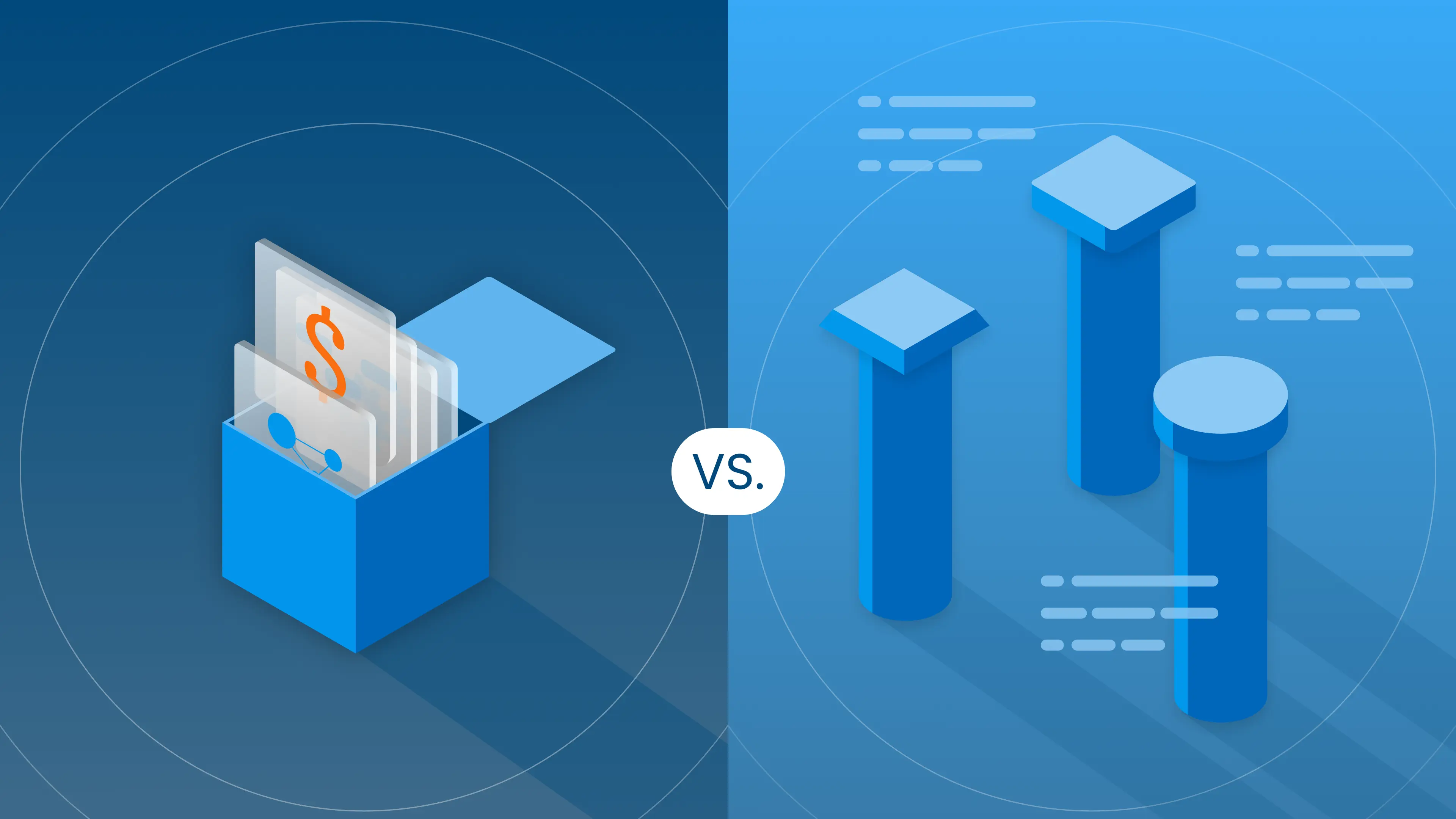
AI agents make telemetry costs harder to predict. This post compares the three pillars against the wide event model, and explains why wide events keep AI observability costs predictable without sacrificing the context engineers need.
Ken Rimple
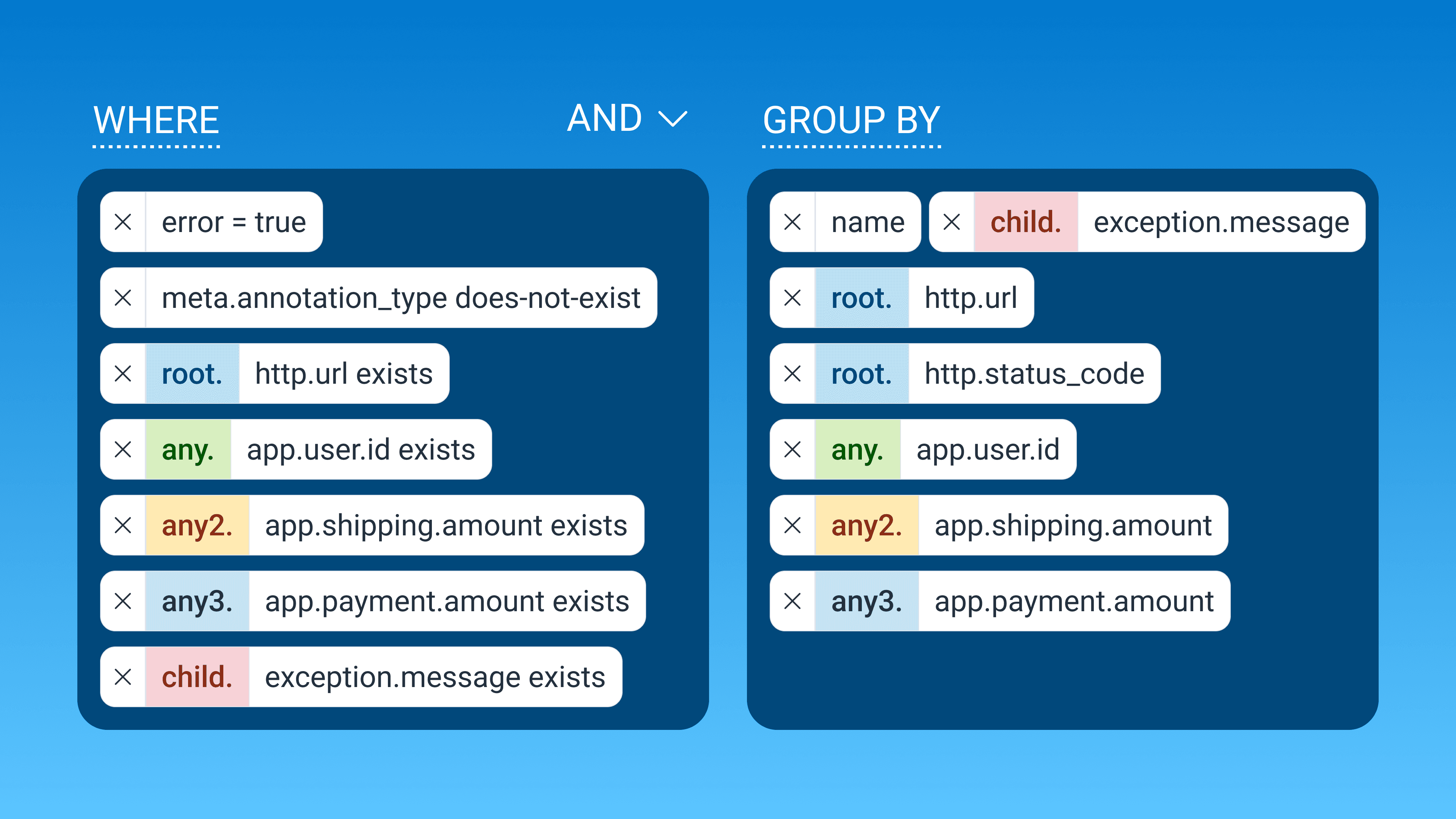
See how Honeycomb's relational query keywords—root, parent, child, any, any2, any3, and none—let you pull attributes from anywhere in a single trace into one query, walked through with a real checkout-error investigation.
Mike Goldsmith
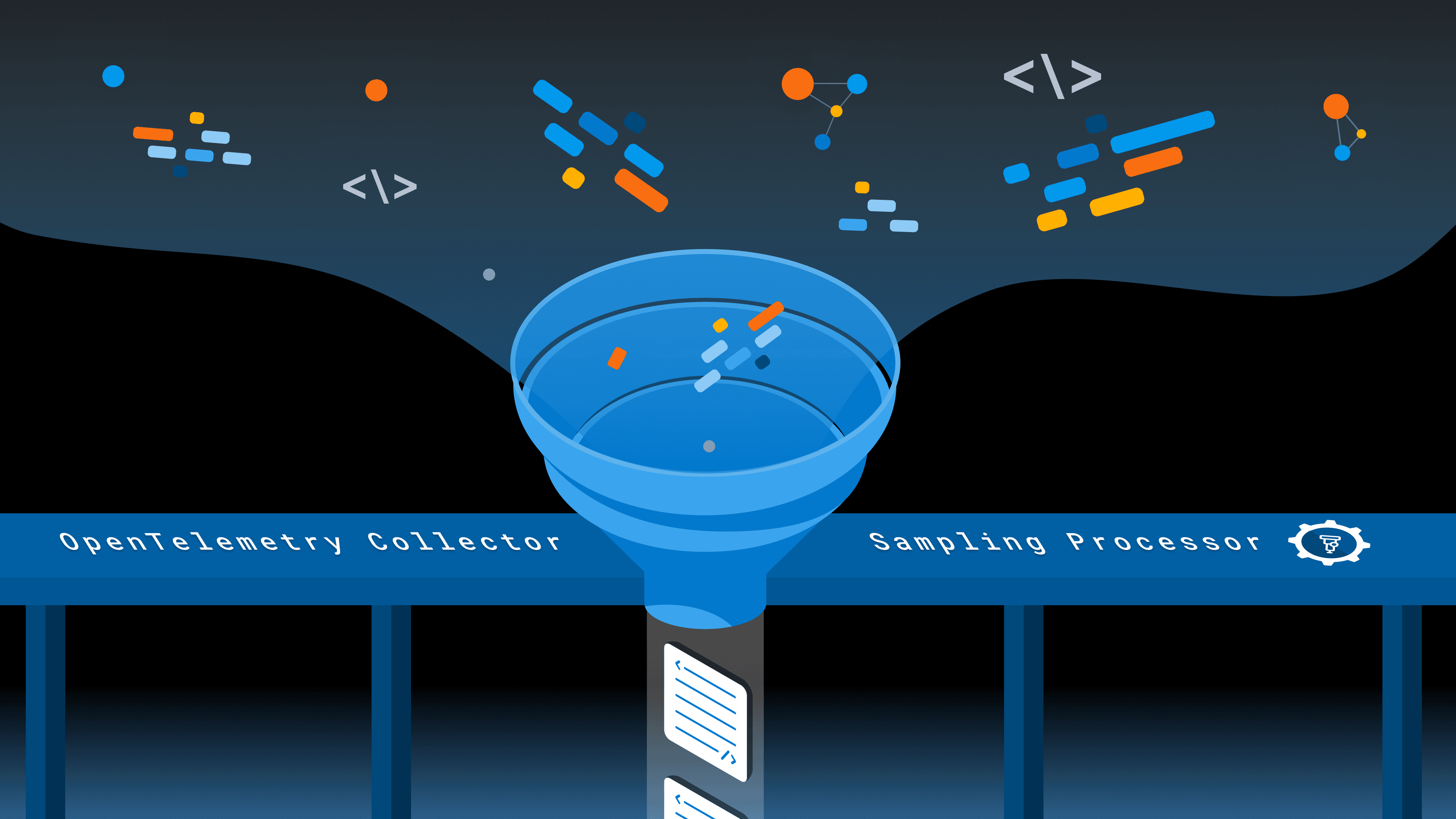
Honeycomb is donating its adaptive tail sampling processor, built on years of Refinery experience, to the OpenTelemetry Collector. See how adaptive sampling, trace fingerprinting, and sample rate attribution work, and how to try it today with the Honeycomb Collector Distribution.
Fin (formerly Intercom) CTO Darragh Curran set a public goal to double engineering productivity—and nearly tripled it. In the first episode of Leading With Observability, he talks with Charity Majors about AI-driven PR review, hands-on leadership through the transition, and why observability is the trust mechanism that makes it all work.
Kale Bogdanovs
Comparing Datadog alternatives for AI and agent observability? See how Honeycomb, New Relic, Dynatrace, Grafana Cloud, Phoenix, Langfuse, and SigNoz stack up on cost, investigation, and OpenTelemetry support.
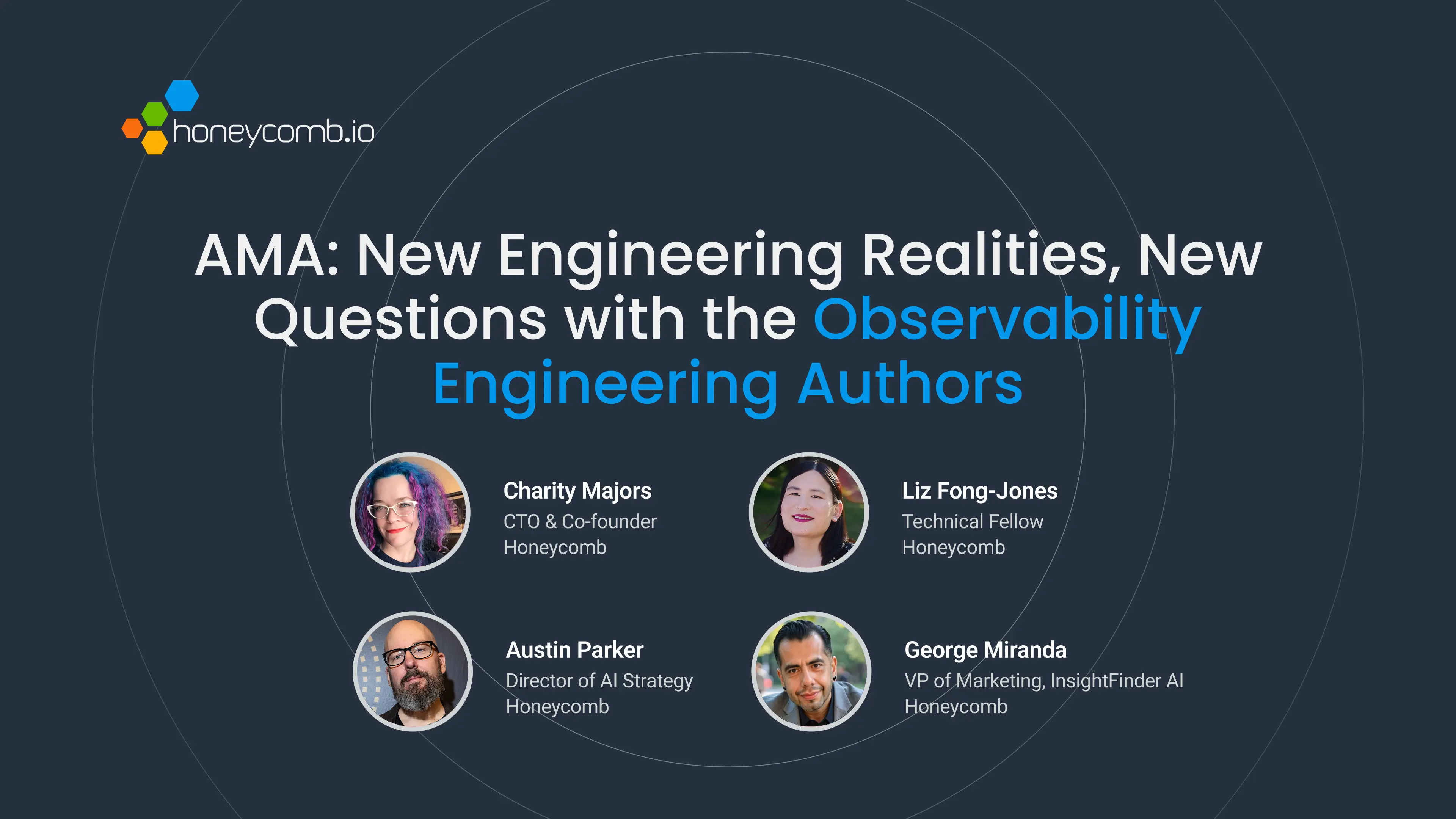
We couldn't get through every question during our live AMA with the authors of Observability Engineering, so Charity, Liz, George, and Austin stuck around to answer more on AI, telemetry, and what still needs a human in the loop.
Shabih Syed
For the third consecutive year, Honeycomb has been named a Visionary in the Gartner® Magic Quadrant™ for Observability Platforms. The recognition reflects Honeycomb's vision for fast, flexible, high-cardinality querying, agent-era observability with Agent Timeline and Canvas, and predictable event-based pricing at trillions of events.
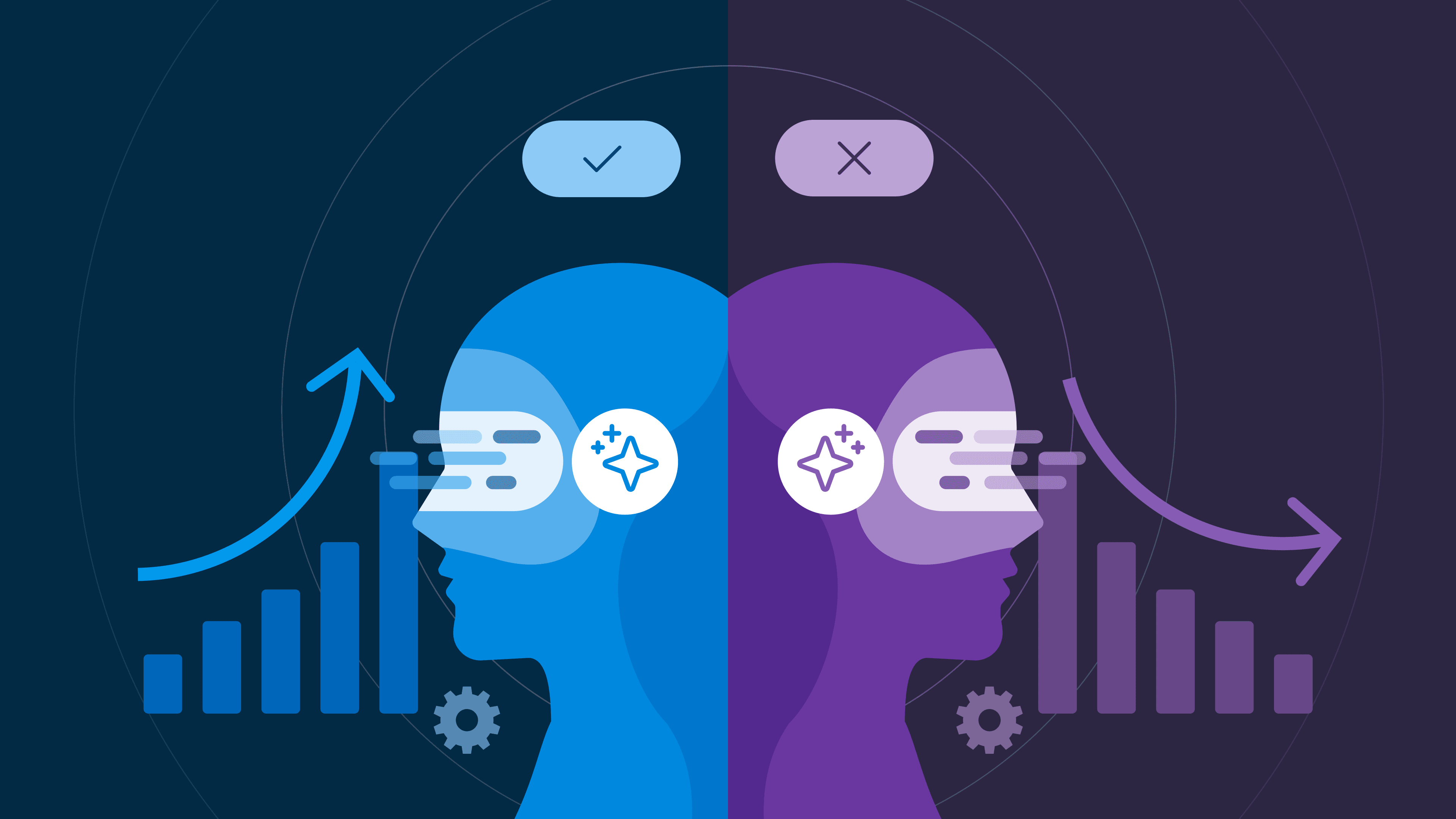
A year ago, I predicted ways in which AI was about to fundamentally change observability as we knew it. Here's what we've seen happen since—both at Honeycomb and with our customers—and what we're building for the future.
In an open letter to engineering leaders everywhere, Fin CTO Darragh Curran explains that AI isn't a magic wand but rather an amplifier—of the good and the bad—of your engineering practices. And engineering rigor is more important than ever.
Juliana Gomez
In the past, I was part of a group of engineers responsible for doing random code reviews with an eye for design system adherence. The design system team had been tracking who used their system the most and invited those engineers to help them review PRs, with the hope that education would be the key to getting more product engineers to use the system. I wanted to create something like that here at Honeycomb for our design system, Lattice.
Compare the best AI observability tools for tracing, evals, token cost tracking, agent workflows, and production reliability in 2026.
Monitoring catches the failures you predicted. AI systems fail in ways you didn't. This post breaks down why AI workloads demand observability—request-level context, distributed tracing, and learning from production—rather than another wall of dashboards.
Get it delivered straight to your inbox.
By subscribing to our newsletter, you agree to Honeycomb’s Terms of Service and Privacy Notice.
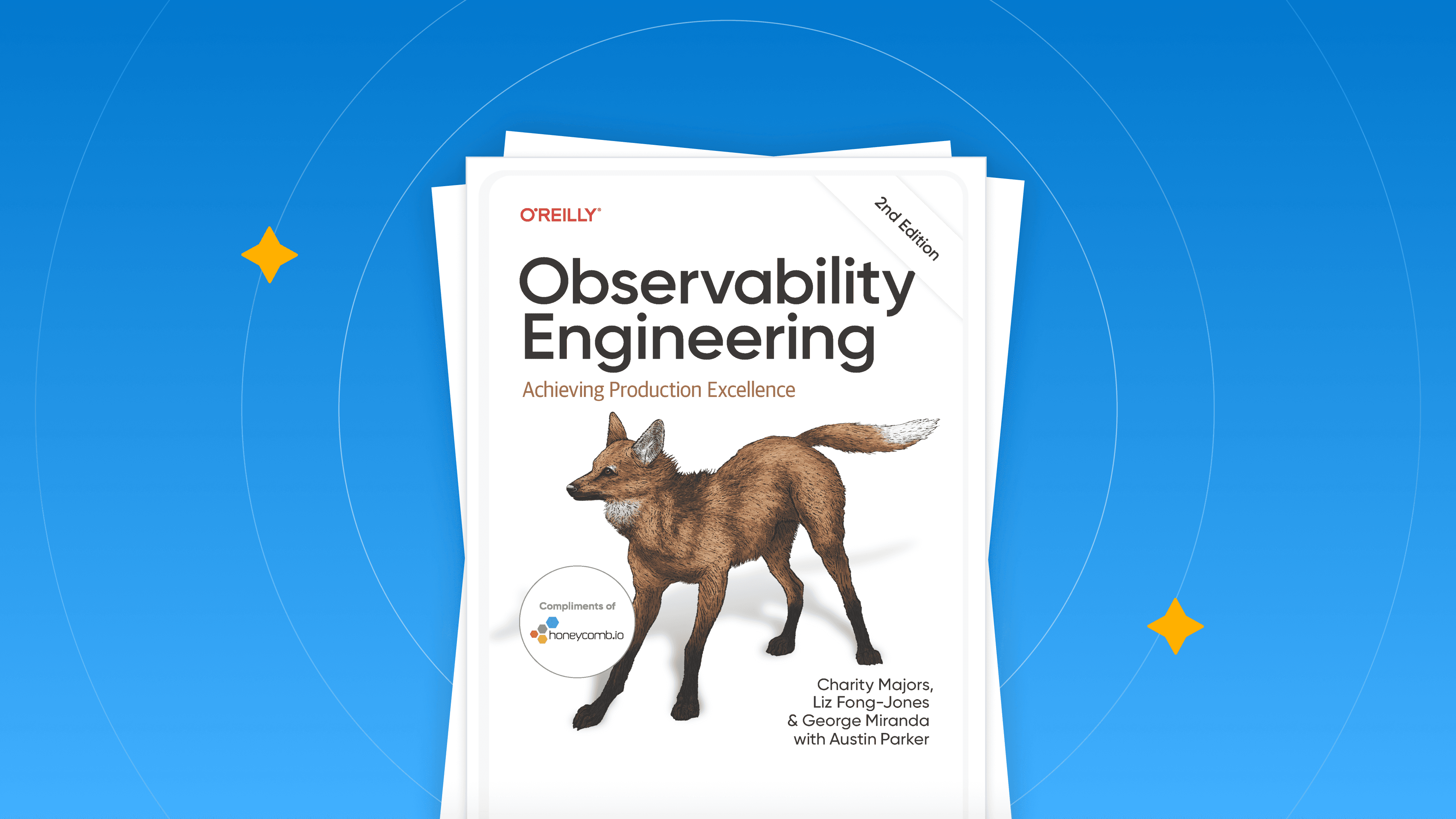
The second edition of Observability Engineering is available for download on our website.
Colin Burke
Old observability metrics like uptime and MTTR aren't enough anymore. Teams must connect technical signals to business outcomes, especially as AI raises the stakes.
Evaluating Dynatrace alternatives? Compare top observability platforms, including Honeycomb, Datadog, New Relic, Grafana, and more on features, pricing, and complexity to find the best fit for your team.
Exploring Grafana alternatives? Compare top observability platforms, including Honeycomb, Datadog, Dynatrace, and more, on features, pricing, and ease of use to find the right fit for your team.
We got a ton of great questions from attendees, and I didn't have time to answer all of them during the session. So, here are my answers to the ones I found most interesting, and most representative of what people are actually grappling with right now.
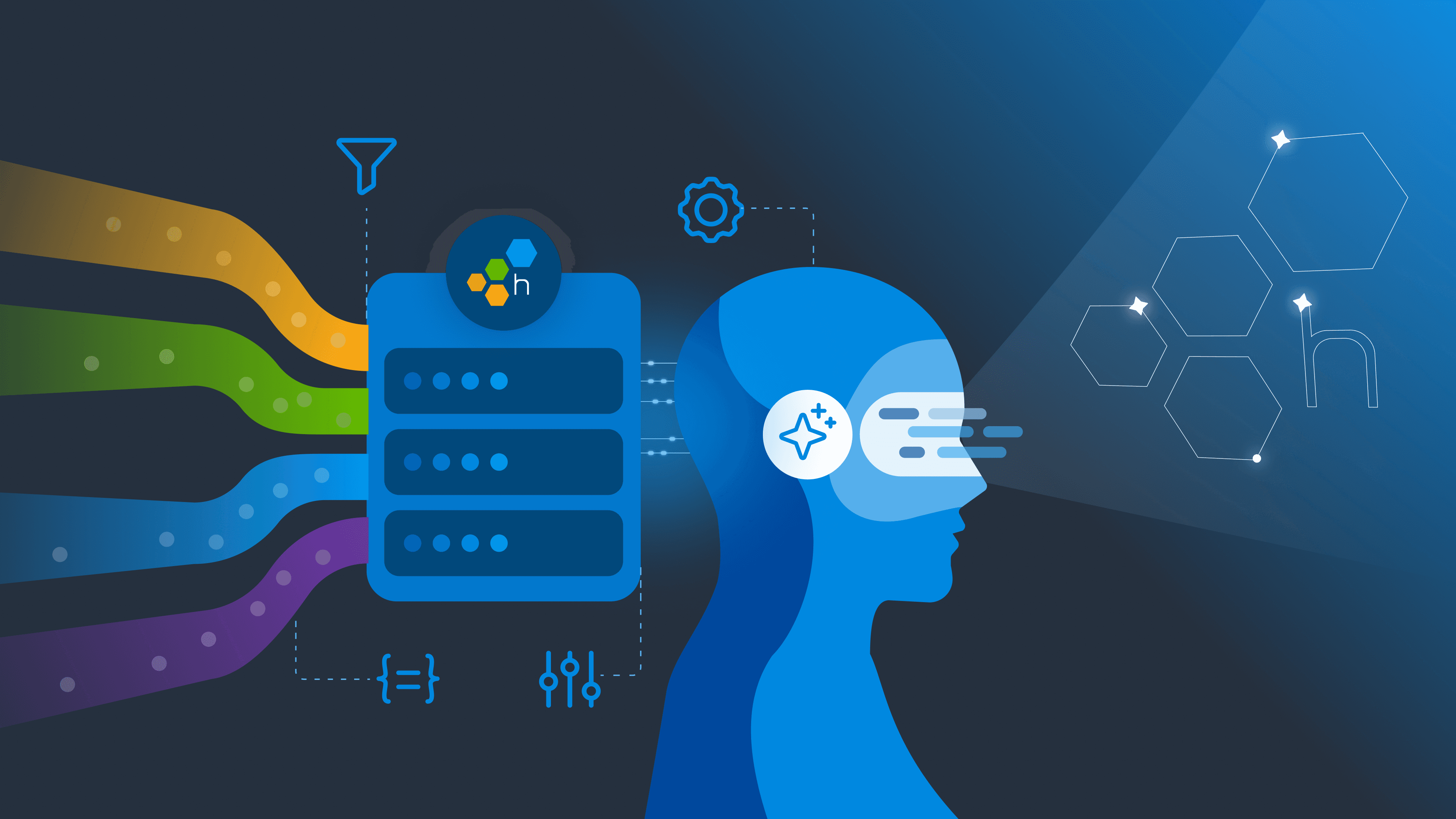
The previous posts in this series looked at some of the use cases Honeycomb customers are implementing to observe LLMs in production and power agentic observability workflows. In this final post, we’ll take it back to basics and look at how the fundamental capabilities and infrastructure of Honeycomb provide the comprehensive data and fast performance that makes these use cases work at scale.
In our previous post, we looked at how Honeycomb provides unique visibility into LLMs operating in your production environment. Now, let’s explore how Honeycomb provides observability insights uniquely suited to helping your AI agents rapidly diagnose and fix production issues.
AI agents are rewriting how software is built and operated. In this series, you’ll learn about 12 use cases across LLM observability, agent debugging, MCP-powered coding agents, and automated AI investigations that prove Honeycomb is the observability platform built for what comes next.