Honeycomb was built for the AI era. Learn how to futureproof your software for what comes next.
Discover why Honeycomb is the better choice for your engineers, your customers, and your bottom line.
Start your journey with the definitive guide to observability. Download our complimentary ebook.
Bring observability to every software engineer.
Learn about our company, mission and values.
Come for the impact, stay for the culture.
See Honeycomb's latest press releases, media, and more
Learn more about becoming a Honeycomb partner.
Already a Honeycomb customer?
Fred Hebert
On May 4th in the EU instance, and May 7th in the US instance, Honeycomb ran its only scheduled maintenance session with major planned downtime in the last five years. The maintenance aimed to replace the decade-old Kafka cluster at the core of event ingestion in all of Honeycomb with a newer, more reliable and scalable cluster.
Dan Juengst
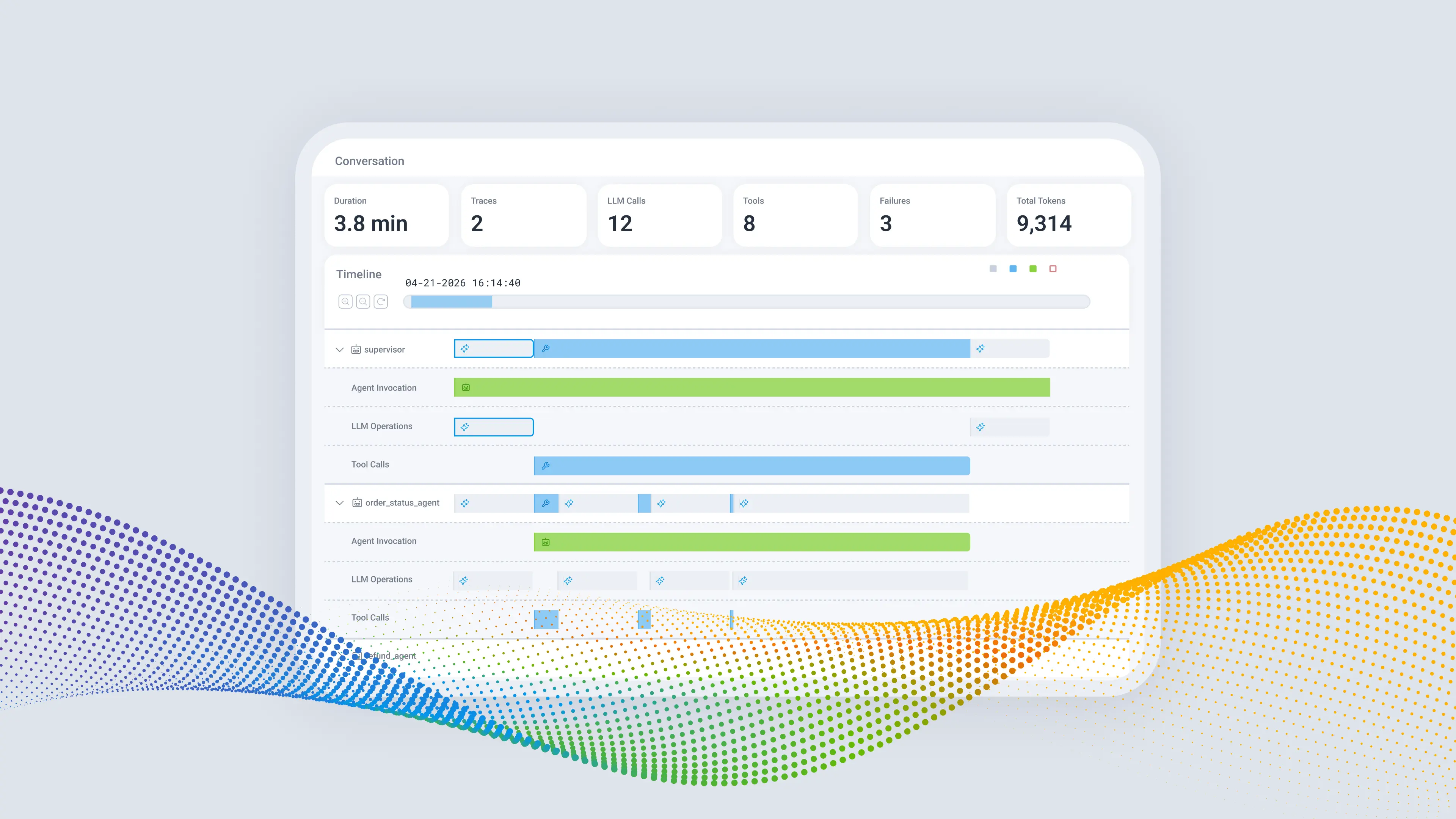
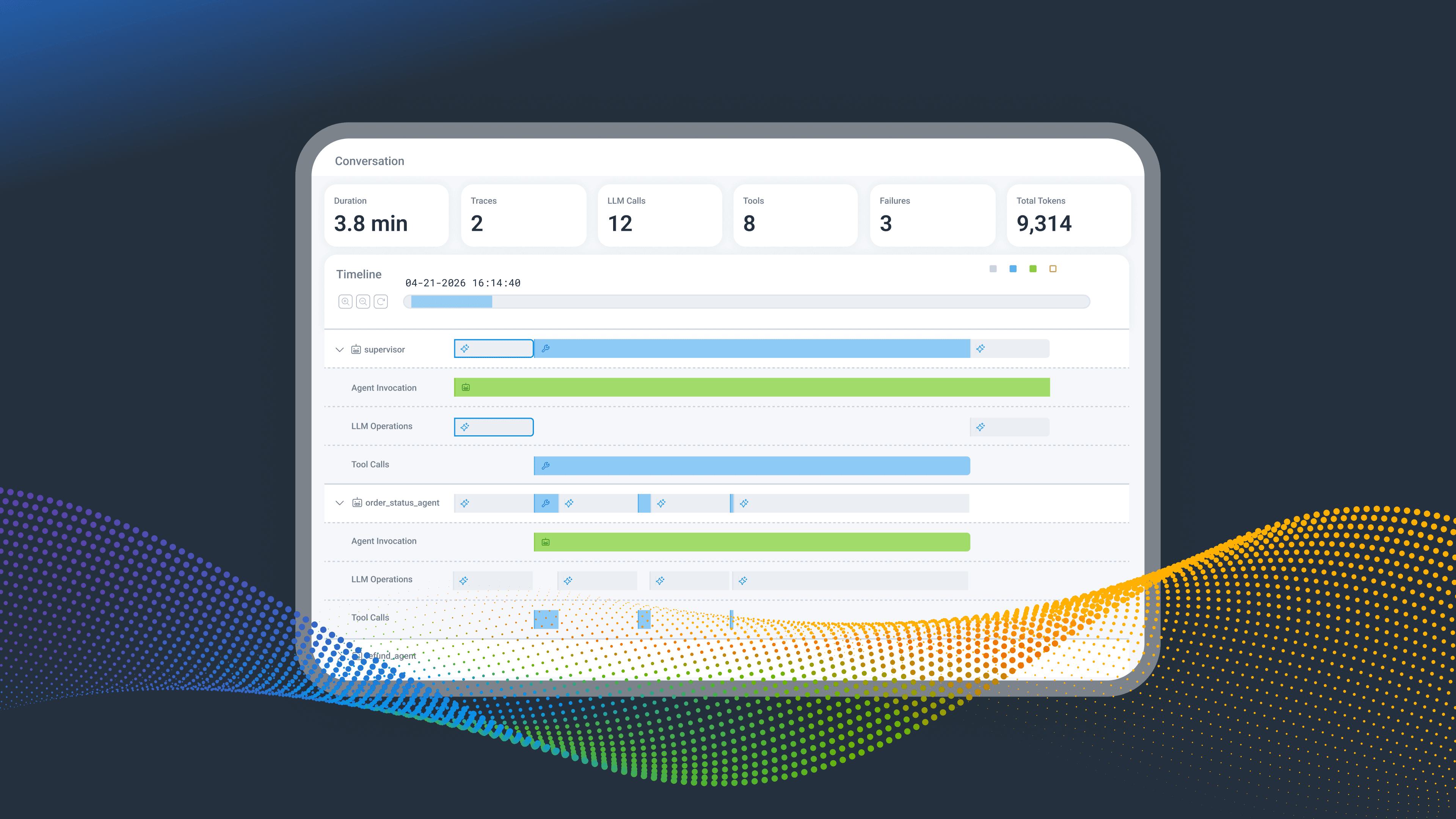
Honeycomb’s Agent Timeline gives you a unified view of LLM behavior and multi-agent workflows, so you can investigate entire conversations and quickly see where prompts, tool calls, and failures happened, in the order they happened.
Charity Majors
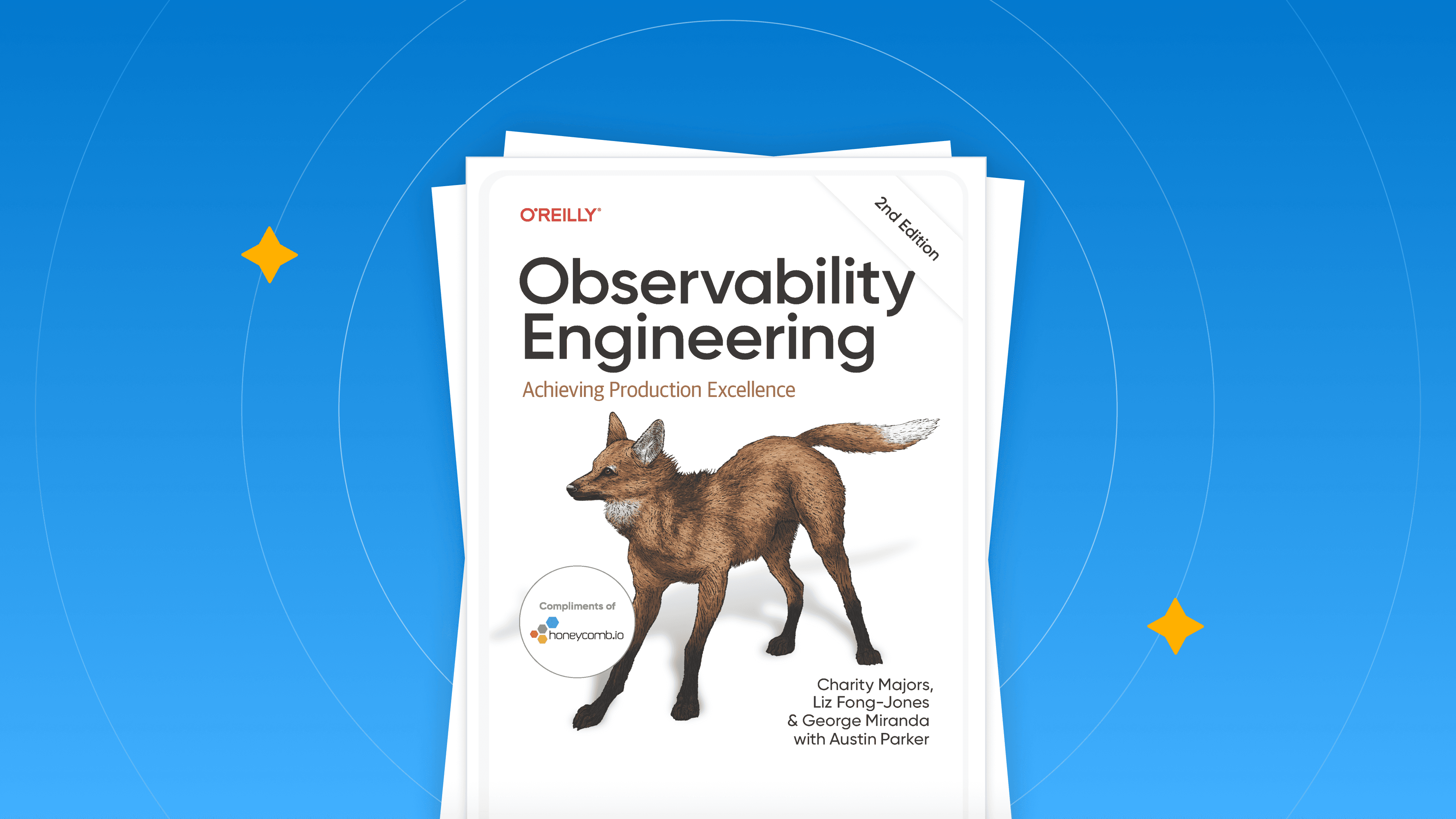
The second edition of Observability Engineering is available for download on our website.
Colin Burke
Old observability metrics like uptime and MTTR aren't enough anymore. Teams must connect technical signals to business outcomes, especially as AI raises the stakes.
Liz Fong-Jones
This is the fourth installment in the Graviton retrospective series we've been writing since 2021. The methodology is the same one I always reach for: hold the workload constant, run both generations on the same Kubernetes namespace concurrently, and let the per-pod numbers speak.
Jessica Kerr (Jessitron)
The OpenTelemetry Collector is usually deployed as a long-running process, but when telemetry is rare, it makes sense to run it as a Lambda function instead. Here's how to do it.
Austin Parker
Is the era of tokenmaxxing over before it even began? The rise of token leaderboards and the death of token leaderboards at companies like Amazon seem to have taken place in less than three months!
Sara Cave
Our support team leverages our own tools, Canvas and the Honeycomb MCP, to navigate vast and complex internal telemetry when debugging customer issues. This shift means we spend far less time on query mechanics and detective work, and customers get answers faster.
Rox Williams
Evaluating Dynatrace alternatives? Compare top observability platforms, including Honeycomb, Datadog, New Relic, Grafana, and more on features, pricing, and complexity to find the best fit for your team.
Ken Rimple
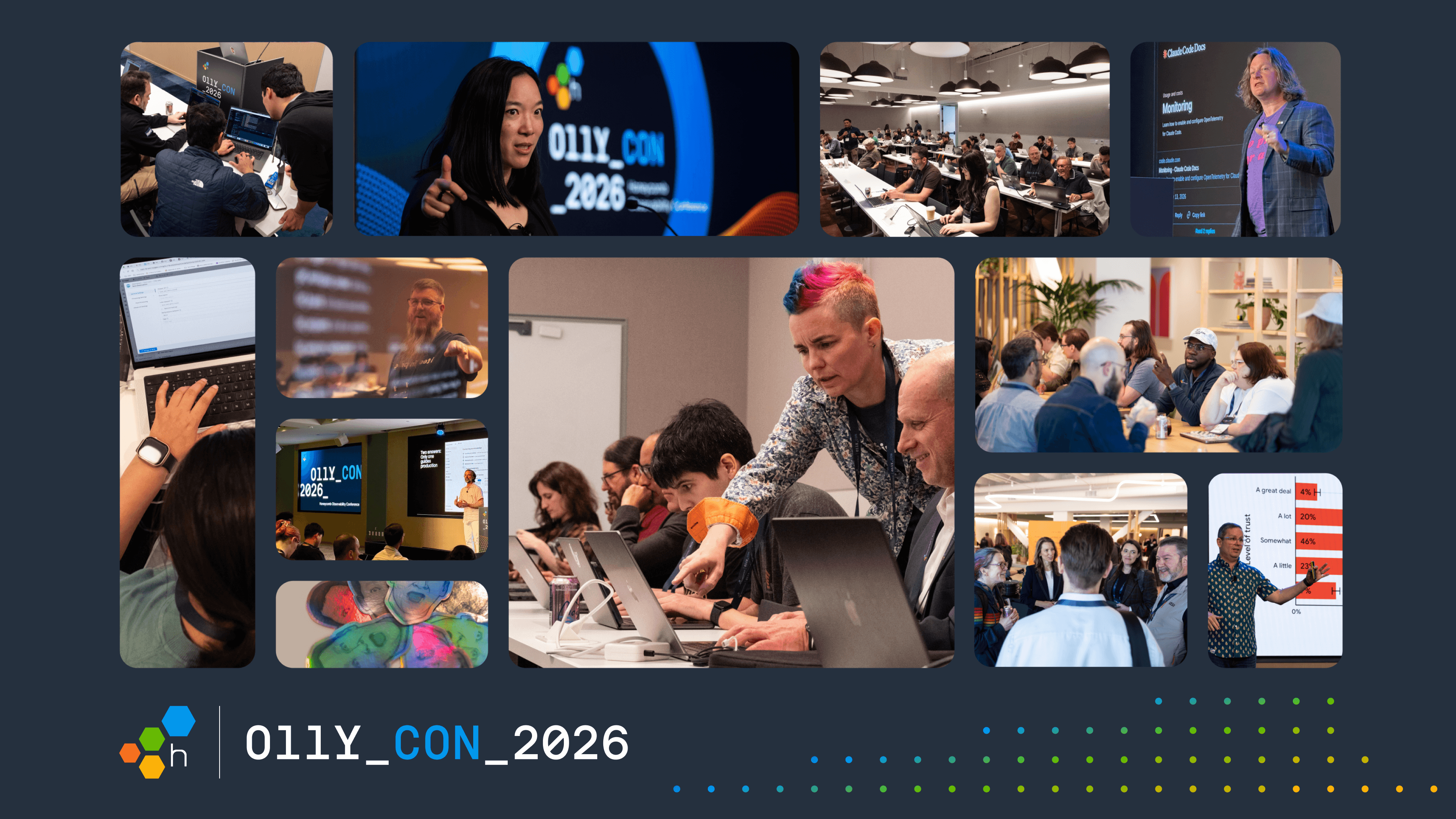
We just wrapped O11yCon 2026, and this year's conversations hit differently. Agent-based software development is here, now. It's no longer an optional choice, and everybody is struggling to understand what their agents are doing and how to make them cost less and perform better. Over the course of both days, we saw clearly that the old assumptions on how and who (or what) writes our software has been upended.
Kale Bogdanovs
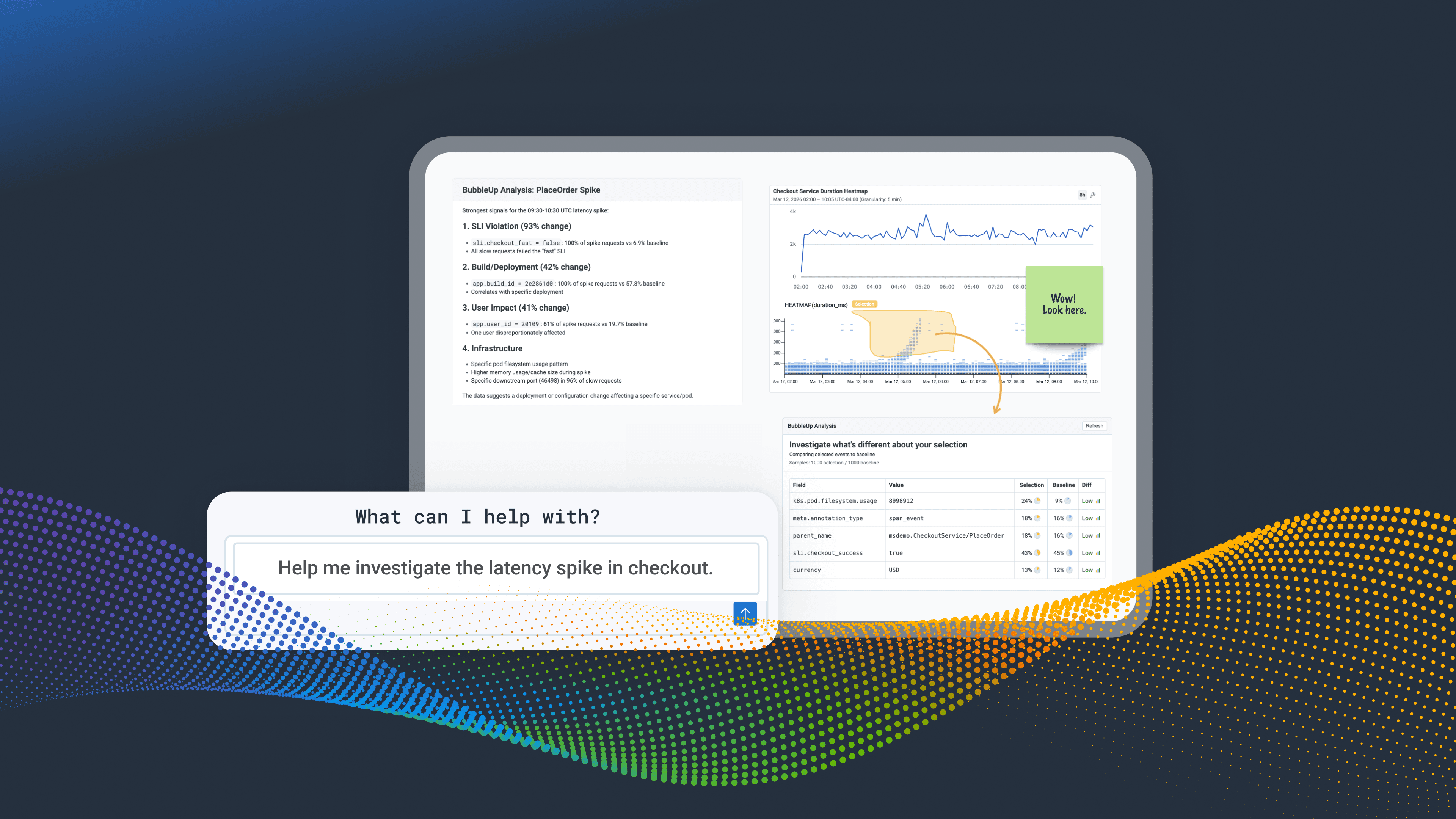
Auto-investigations that start the moment a trigger fires. Custom skills that encode your team's runbooks. A live workspace where humans and agents investigate production together. Now available to all Honeycomb customers.
Every LLM call, every tool invocation, every agent handoff, every downstream service span, in one conversation, in one view. Now in Early Access.
Get it delivered straight to your inbox.
By subscribing to our newsletter, you agree to Honeycomb’s Terms of Service and Privacy Notice.
Howard Yoo
Why hop between tools when you can have a single, unified view? By speaking the common language of OpenTelemetry, Honeycomb and Embrace are finally closing the gap between the frontend and the backend.
Matthew Scott
Honeycomb is proud to share that we have achieved the Amazon Web Services (AWS) Financial Services Competency.
Shabih Syed
AI is reshaping the SDLC in two directions at once. AI-generated code is shipping faster and with less human supervision than ever before, while agents and LLMs are running directly in production, where they behave very differently from traditional software: non-deterministic, with a wider blast radius than any single function or component, with no stack trace to catch when something goes wrong.
Day 1 of Innovation Week was about how software gets validated, where observability fits, and the problems that have always been hard but are now genuinely urgent with AI part of the software development lifecycle.
Mike Goldsmith
In this post, I'll show how OpenTelemetry Weaver lets you define, layer, and validate semantic convention schemas so that both humans and agents have full context on every attribute in your telemetry.
When you want to add some information to your tracing telemetry, you could emit a log, create a span, or add a piece of data to your current span. Adding a piece of data to your current span is the best! Usually.
Exploring Grafana alternatives? Compare top observability platforms, including Honeycomb, Datadog, Dynatrace, and more, on features, pricing, and ease of use to find the right fit for your team.
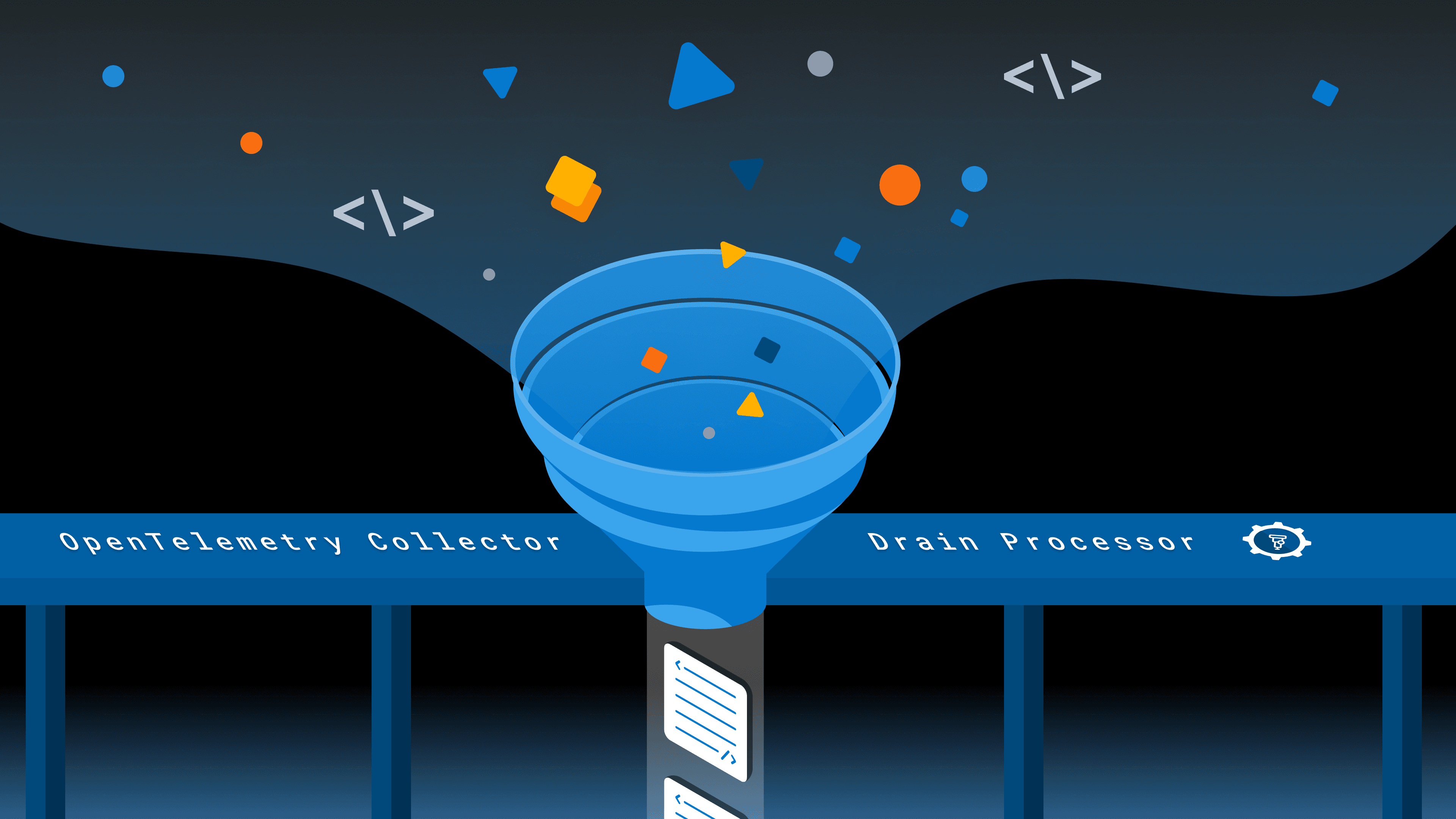
Do you receive 50 million log lines per day and struggle to see what actually matters? Health checks, heartbeat pings, connection pool messages—they all drown out the errors and anomalies you're trying to find. What if the Collector could figure out the patterns for you?