Honeycomb was built for the AI era. Learn how to futureproof your software for what comes next.
Discover why Honeycomb is the better choice for your engineers, your customers, and your bottom line.
Start your journey with the definitive guide to observability. Download our complimentary ebook.
Bring observability to every software engineer.
Learn about our company, mission and values.
Come for the impact, stay for the culture.
See Honeycomb's latest press releases, media, and more
Learn more about becoming a Honeycomb partner.
Already a Honeycomb customer?
Vera Reynolds
You might already know that OpenTelemetry is the future of instrumentation. It’s an open-source and vendor-neutral instrumentation framework that frees you from the trap of using proprietary libraries simply to understand how your code…
Jessica Kerr (Jessitron)
As product developers, our responsibility continues beyond shipping code. To keep our software running, we need to notice whether it’s working in production. To make our product smoother and more reliable, we need to…
Jason Harley
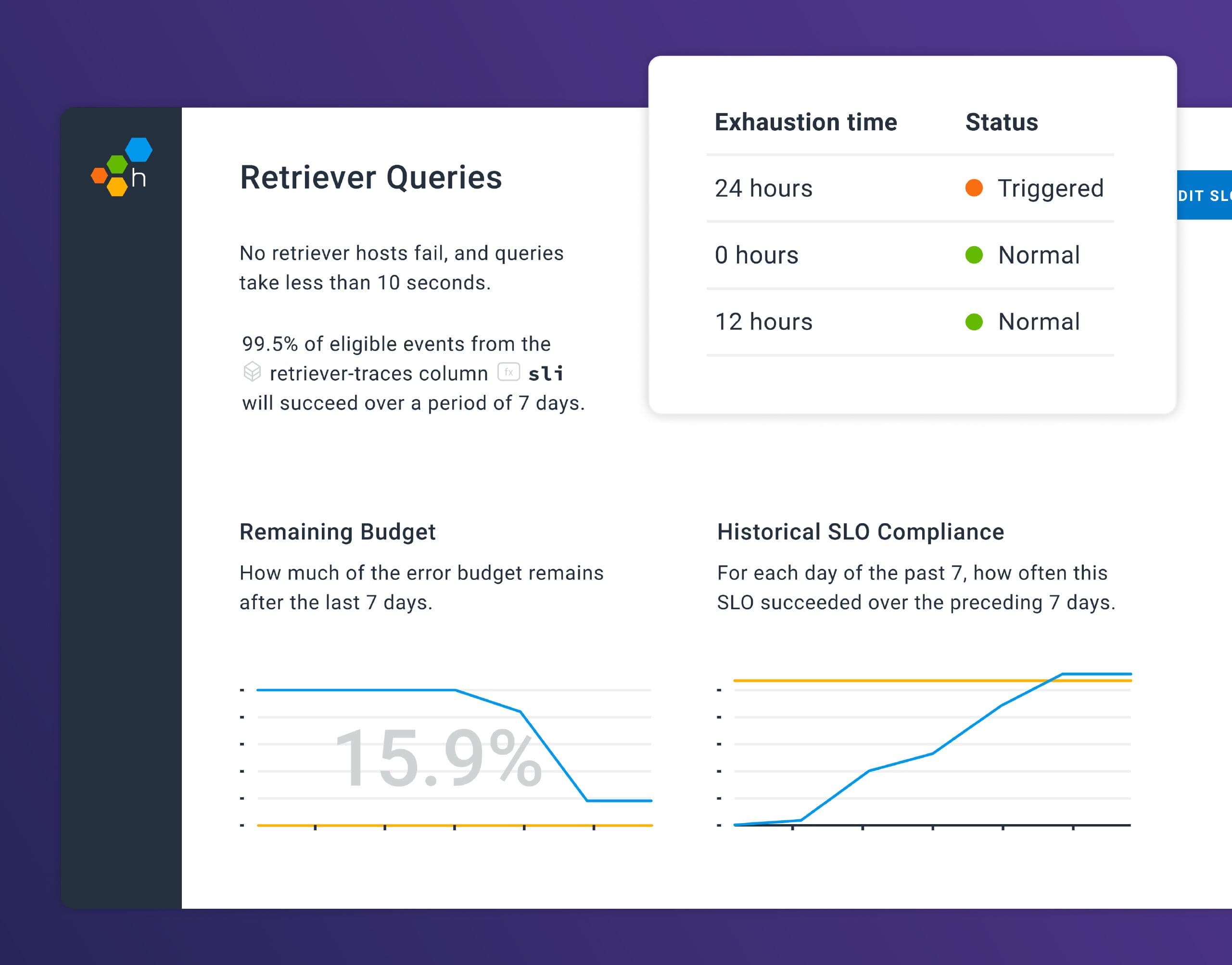
In the recent past, most engineering teams had a vague notion of what Service Level Agreements (SLAs) and Service Level Objectives (SLOs) were—mainly things that their more business-focused colleagues talked about at length during…
Ian Wilkes
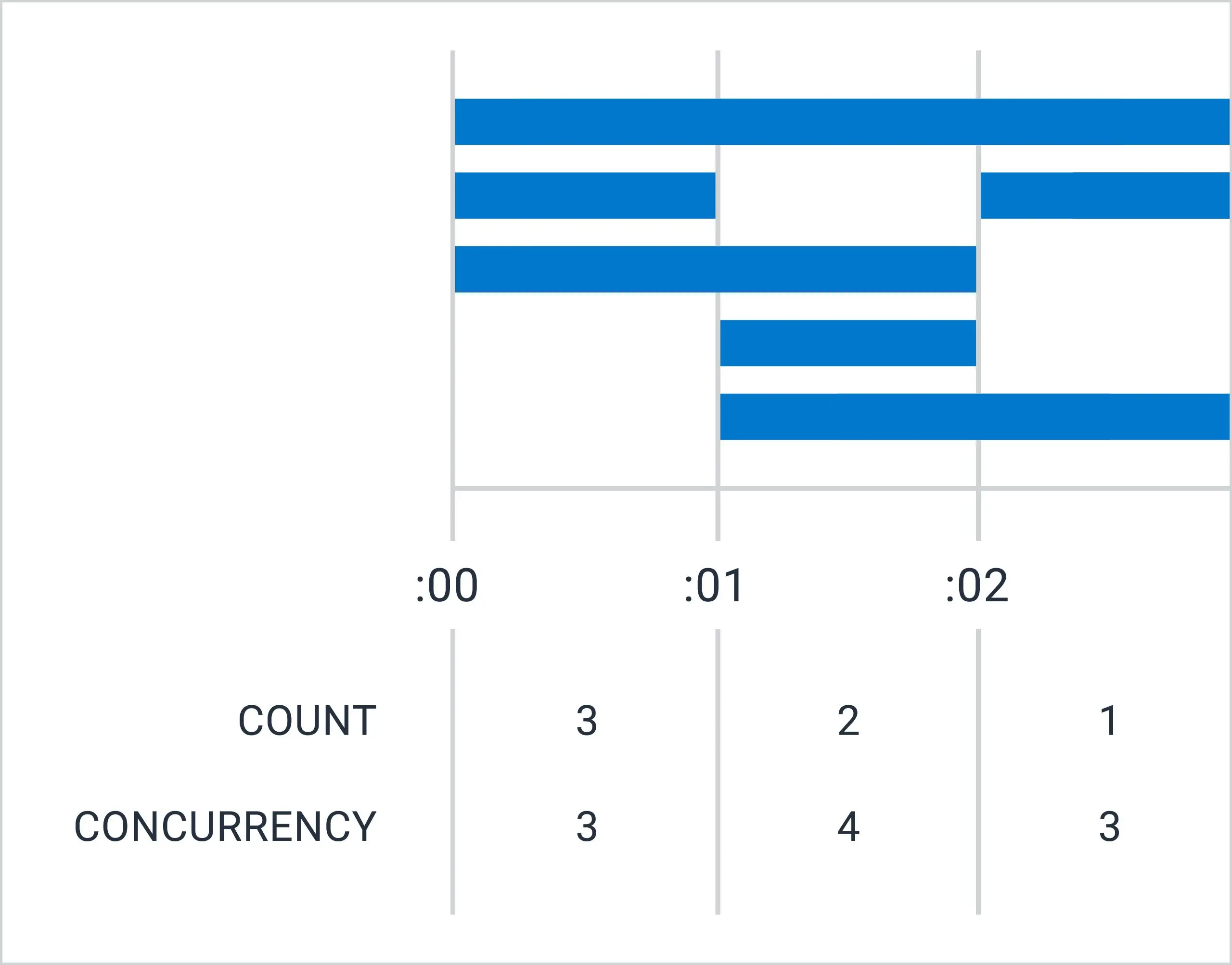
CONCURRENCY is now enabled for all customers. See our docs page for information about how it works and how to use it effectively. Questions or would like to test out CONCURRENCY and Honeycomb? Sign…
Charity Majors
Two years ago, I wrote a long retrospective of observability for its third anniversary. It includes a history of instrumentation and telemetry, a detailed explanation of the technical spec, and why the whole “three pillars” thing…
Eric Thompson
Sampling is the practice of extracting a subset of data from a dataset to make conclusions about that larger dataset. It’s far from a perfect solution, but when it’s implemented with Refinery, Honeycomb’s trace-aware…
Yeesheen Yang
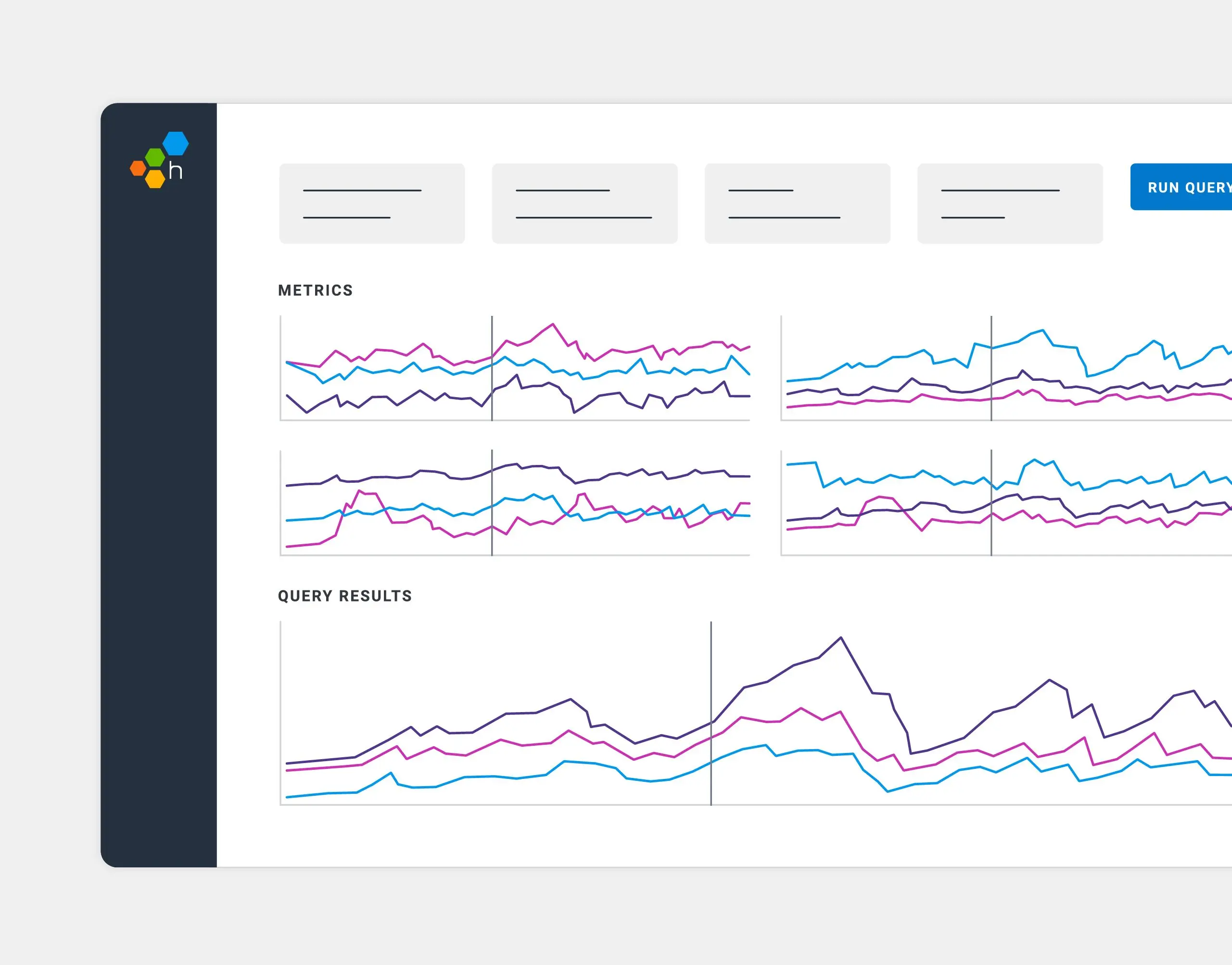
Join us for a live tour & Q&A session on Honeycomb Metrics. Ready to get hands-on? Honeycomb Metrics is already included in Enterprise subscriptions. Existing Free or Pro customers can request an Enterprise trial to try…
George Miranda
Evelyn Chea
Register for the webinar and download the full study to see and apply Forrester’s financial model to determine the observability ROI for your organization. Many teams want to adopt observability and Honeycomb—but run into…
Phillip Carter
OpenTelemetry (or “OTel”) helps you get your instrumentation started quickly, and it helps you get the most out of that telemetry data by providing flexible exporting options.
Alex Vondrak
Honeycomb is known for its incredibly fast performance: you can sift through billions of rows, comparing high-cardinality data across thousands of fields, and get fast answers to your queries. And none of that is…
Ben Hartshorne
If there’s one thing folks working in internet services love saying, it’s: Yeah, sure, but that won’t scale. It’s an easy complaint to make, but in this post, we’ll walk through building a service…
Get it delivered straight to your inbox.
By subscribing to our newsletter, you agree to Honeycomb’s Terms of Service and Privacy Notice.
Rich Anakor, chief solutions architect at Vanguard, is on a small team with a big goal: Give Vanguard customers a better experience by enabling internal engineering teams to better understand their massively complex production…
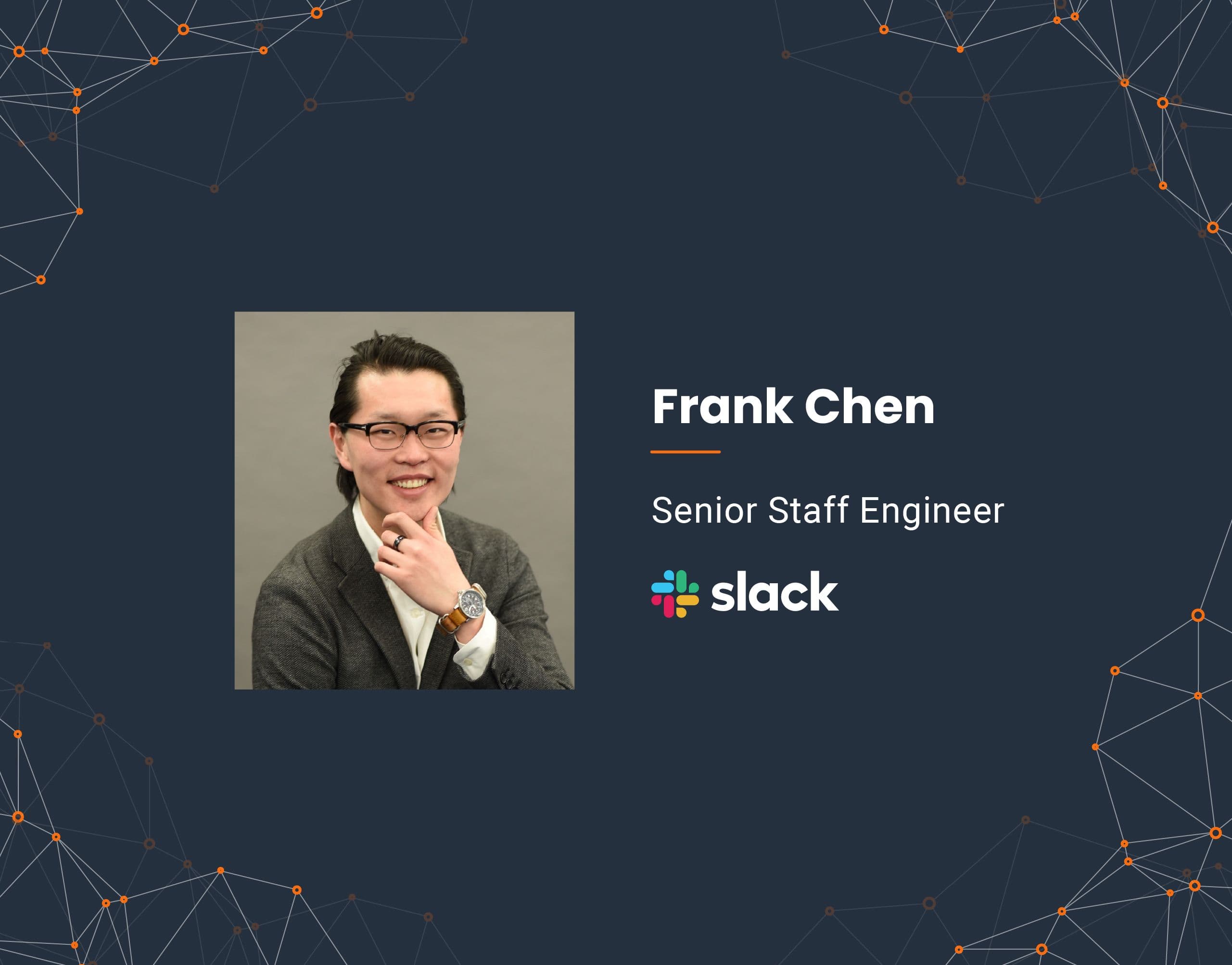
Slack experienced meteoric growth between 2017 and 2020—but that level of growth came with growing pains. In his talk at the 2021 o11ycon+hnycon, Frank Chen (LinkedIn), a Slack Senior Staff Engineer, detailed one of Slack’s…
Paul Osman
Modern software services are expected to be highly available, and running a service with minimal interruptions requires a certain amount of reliability-focused engineering work.
Fred Hebert
But it’s better than nothing… Most of the industry is racing to adopt better observability practices, and they’re discovering lots of power in being able to see and measure what their systems are doing….
I am sick of online events. I can barely rouse myself to give a shit about one more virtual conference. They all start to feel the same … the same 45-minute pre-recorded talks, over…
Over the last few months, Honeycomb’s platform team migrated to a new iteration of our ingest pipeline for customer events. Our migration to this newer architecture did not go too smoothly, as can be…
Liz Fong-Jones
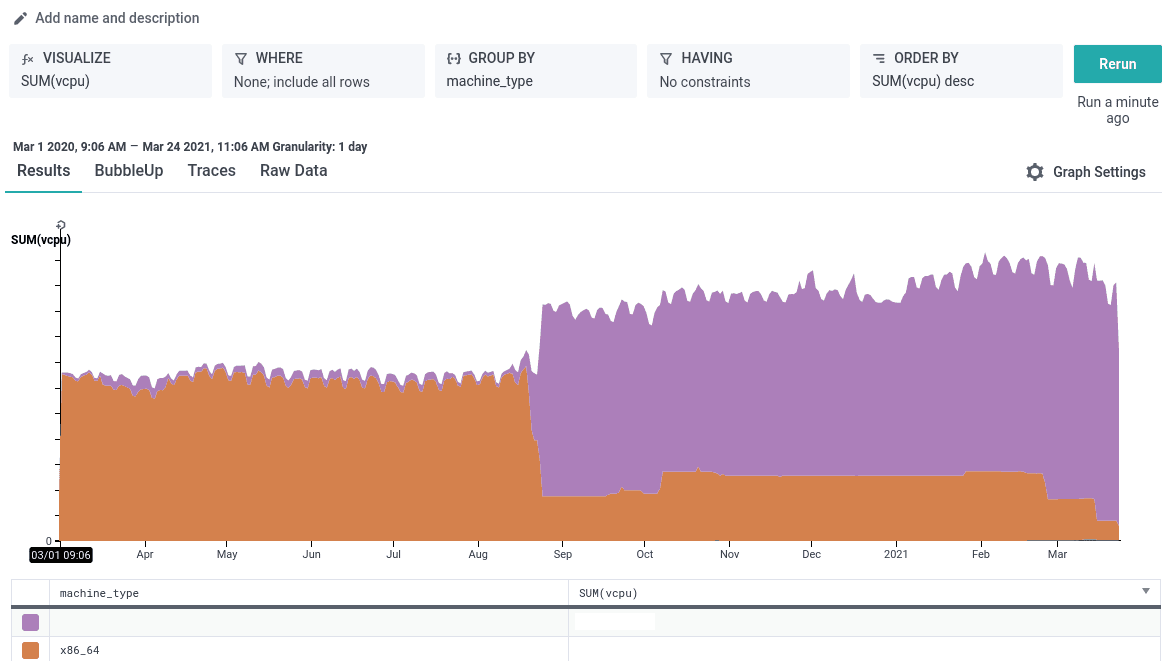
A year ago, we wrote about our experiences as early adopters of Graviton2, and how we were able to see 30% price-performance improvements on one dogfood workload from switching to the arm64 architecture. In…