Honeycomb was built for the AI era. Learn how to futureproof your software for what comes next.
Discover why Honeycomb is the better choice for your engineers, your customers, and your bottom line.
Start your journey with the definitive guide to observability. Download our complimentary ebook.
Bring observability to every software engineer.
Learn about our company, mission and values.
Come for the impact, stay for the culture.
See Honeycomb's latest press releases, media, and more
Learn more about becoming a Honeycomb partner.
Already a Honeycomb customer?
Toni Chou
The tradeoff between data completeness and cost has been a feature of metrics platforms for as long as they’ve been around. And as AI becomes central to how engineering teams build and operate software, it is about to become a much more expensive problem.
Mei Luo
The Honeycomb Slackbot is available now in beta for Enterprise customers. Reach out to your customer success team to learn more and get set up!
Jessica Kerr (Jessitron)
The best dashboard is one created just for your application, or your service, or your team. You can get that in minutes with the Honeycomb MCP.
Austin Parker
We recently hosted a webinar on AI-assisted development with DORA, and the audience had a lot of questions—far more than we could get to in an hour. I picked out six that get at the stuff people are wrestling with day to day.
Fred Hebert
On December 5th, 2025, we suffered a major outage in our EU region, with the last recovery steps for it extending until December 17th, 2025. For multiple hours, all of Honeycomb’s event ingestion endpoints were down. Most of the duration was spent in a degraded mode where only Activity Log data was impacted. A general timeline is available on our status page, but in this report, we’ll look at a broader analysis of what happened.
Ken Rimple
In this blog post, I'll discuss some behaviors encountered using Core Web Vitals telemetry, enabled via the Honeycomb Frontend Web SDK. This telemetry is generated from events from Google's Web Vitals script.
Rox Williams
Charity took the time to answer a few additional audience questions we didn’t get to. Dive in below!
Tyler Helmuth
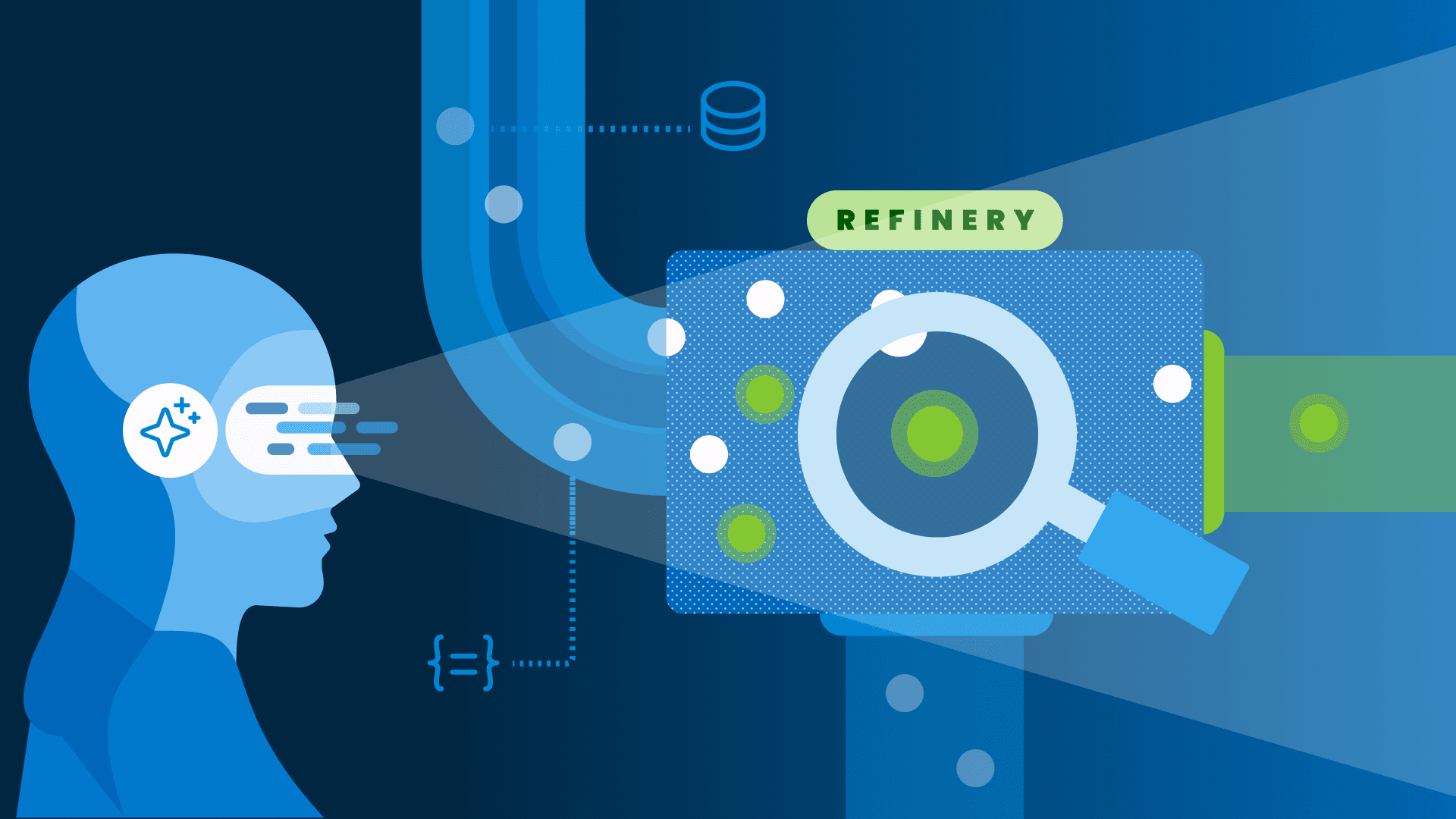
We released a new tool for our MCP server which helps your AIs understand Refinery, and how Honeycomb handles sampling. In this blog, I’ll walk you through the new feature and show how it can help you run Refinery.
Charity Majors
When we left Facebook, we were determined to build a tool that would help solve the hardest problems in software. Not by copying everyone else’s architectural hand-me-downs and making incremental improvements, but by borrowing from powerful BI and product tools, and reasoning from first principles about what software engineers need to understand their code in production.
Fahim Zaman
The nature of software development has changed as AI-code generation and agent-based features gain adoption. In perhaps a more subtle shift, the fundamentals of software instrumentation are changing too.
AI reliability and trust is naturally becoming a top-of-mind concern. By 2028, Gartner predicts 40% of organizations will have implemented some form of dedicated AI observability.
Mae Capozzi
Claude Code supports OpenTelemetry out of the box, which means sending telemetry to Honeycomb takes just a few minutes of configuration. In this post, I’ll walk you through exactly how I set this up for one of our monorepos and the insights we gained.
Get it delivered straight to your inbox.
By subscribing to our newsletter, you agree to Honeycomb’s Terms of Service and Privacy Notice.
Honeycomb exists to help people understand custom software. It doesn’t pretend to know what matters in your application. That’s an interpretive task, not programmatic.
I think the entire DevOps movement was a mighty, twenty year battle to achieve one thing: a single feedback loop connecting devs with prod. On those grounds, it failed.
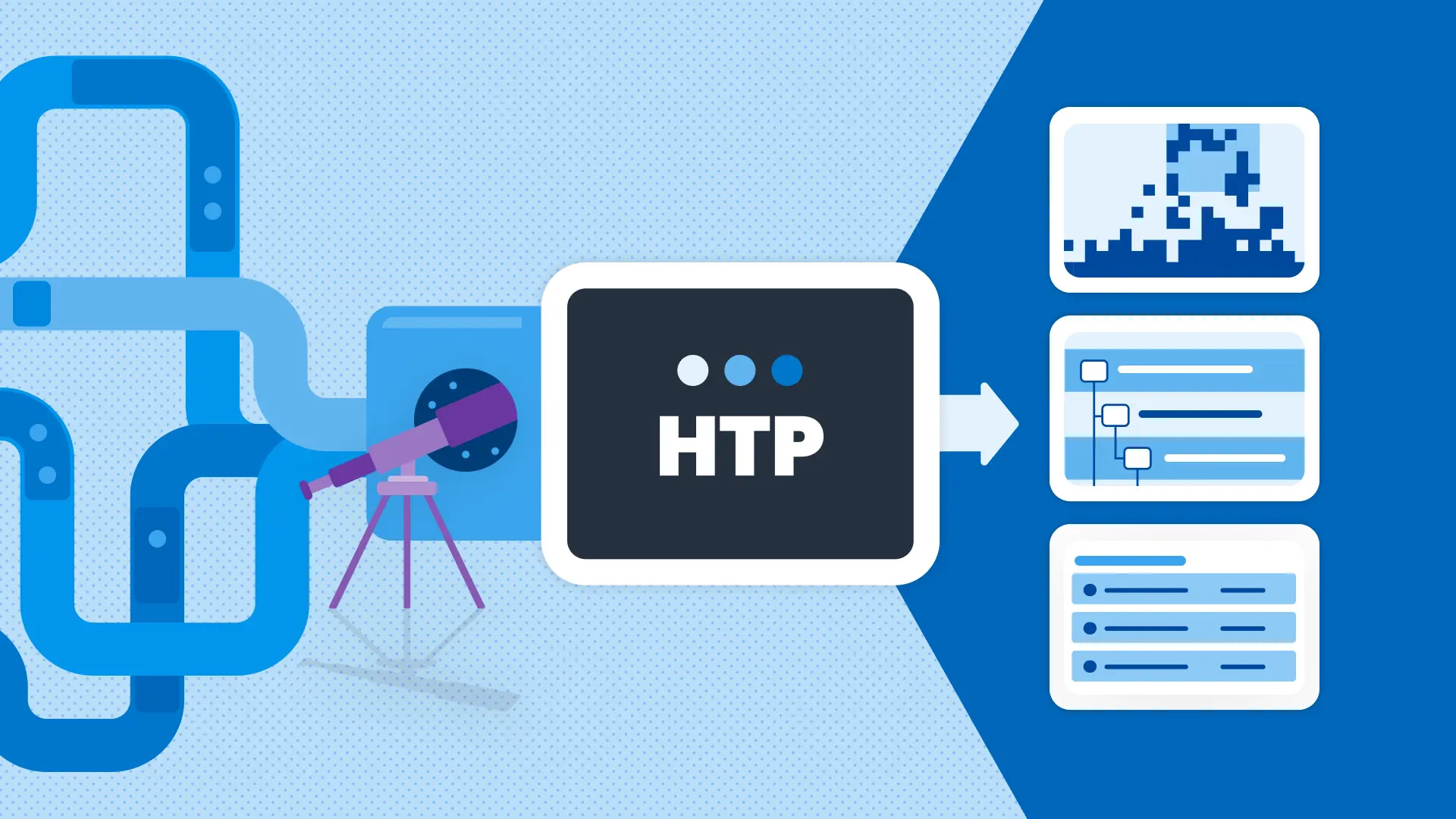
In this post, I’ll explain what OpAMP is and why OpenTelemetry created it, then dive into how we use it to power Honeycomb Telemetry Pipeline.
Alex Vondrak
In my previous post, we explored why Honeycomb is implemented as a distributed column store. Just as interesting to consider, though, is why Honeycomb is not implemented in other ways. So in this post, we’re going to dive into the topic of time series databases (TSDBs) and why Honeycomb couldn’t be limited to a TSDB implementation.
In Charity's recent webinar with James Governor of RedMonk, she shared that most companies now spend somewhere between 20 and 25% of their entire infrastructure budget on their observability tools.
Application performance monitoring, also known as APM, represents the difference between code and running software. You need the measurements in order to manage performance.
There are at least two ways to report error details in OpenTelemetry. Web applications generally place exceptions in trace spans as span events, and mobile applications send exceptions as log messages instead. This article will help you understand which approaches you can use, and how the errors will appear in Honeycomb.
If there’s one thing clear from our AI-powered observability webinar, it’s that observability has officially graduated from a “nice-to-have” to a business-critical discipline, and AI is helping lead that charge.