Honeycomb was built for the AI era. Learn how to futureproof your software for what comes next.
Discover why Honeycomb is the better choice for your engineers, your customers, and your bottom line.
Start your journey with the definitive guide to observability. Download our complimentary ebook.
Bring observability to every software engineer.
Learn about our company, mission and values.
Come for the impact, stay for the culture.
See Honeycomb's latest press releases, media, and more
Learn more about becoming a Honeycomb partner.
Already a Honeycomb customer?
Charity Majors
Every day I seem to run into yet another post with someone solemnly opining that “writing code has never been the hardest part of software engineering.
Katie Leonard
You don’t need to be a power user to get powerful results. I’m not training models or prompting GPTs into poetry—I’m just using them to do what great managers already try to do: communicate clearly, prioritize outcomes, and lead with intention.
Ken Rimple
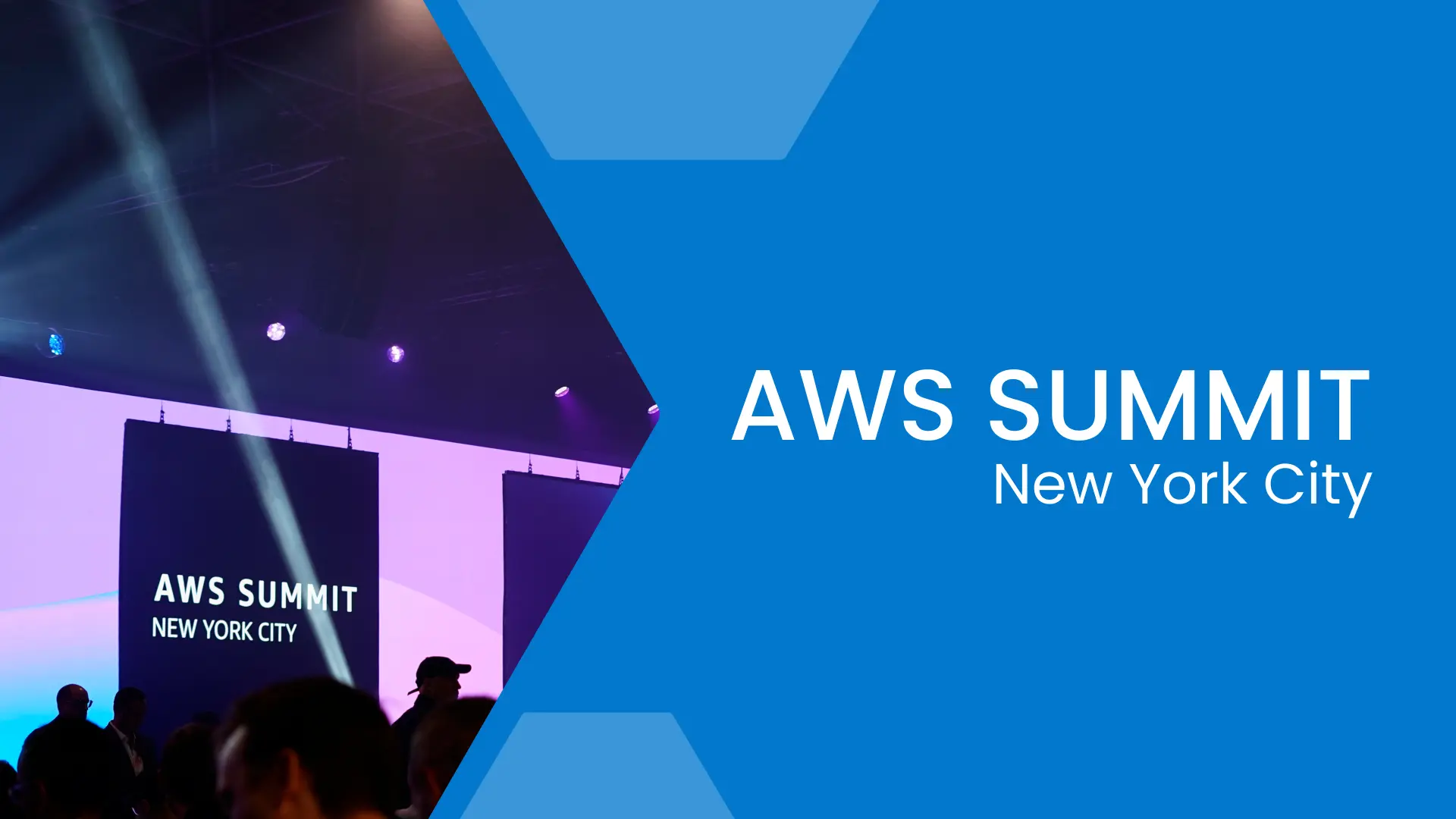
If you’re unfamiliar with AWS Summits, these are conferences that occur on a yearly basis in different cities. The events are mostly used to announce new products and technologies. This year, the theme was AI, as evidenced by the keynote, a large majority of the talks, and a walk around the vendor floor.
Jessica Kerr (Jessitron)
Some people can get an AI assistant to write a day’s worth of useful code in ten minutes. Others among us can only watch it crank out hundreds of lines of crap that never works. What’s the difference?
Julie Neumann
Austin Parker
I’m pleased to announce the public beta of Honeycomb Hosted MCP, along with our first wave of one-click integrations for Cursor, Visual Studio Code, and Claude Desktop.
Rox Williams
OpenTracing was created to solve this problem by providing a vendor-neutral implementation to instrument code for distributed tracing. Over time, the community recognized the need for a broader, unified standard that went beyond tracing to also include metrics and logs.
Bernardo Guerreiro
Irving Popovetsky
Colin Burke
One of the great things about OpenTelemetry is that it’s a standard, and standards tend to proliferate. I was excited to see Claude Code add OpenTelemetry metric and log support in a recent release.
Get it delivered straight to your inbox.
By subscribing to our newsletter, you agree to Honeycomb’s Terms of Service and Privacy Notice.
Elsie Phillips
AI discourse these days is all over the place. Depending on who you talk to, AI’s are absolute flash-in-the-pan junk, or they’re the best thing since sliced bread.
In a really broad sense, the history of observability tools over the past couple of decades have been about a pretty simple concept: how do we make terabytes of heterogeneous telemetry data comprehensible to human beings?
We recently had the privilege of hosting several industry experts and technology executives across platform strategy, SRE, and engineering enablement for breakfast at our Observability Day in London.
Martin Thwaites
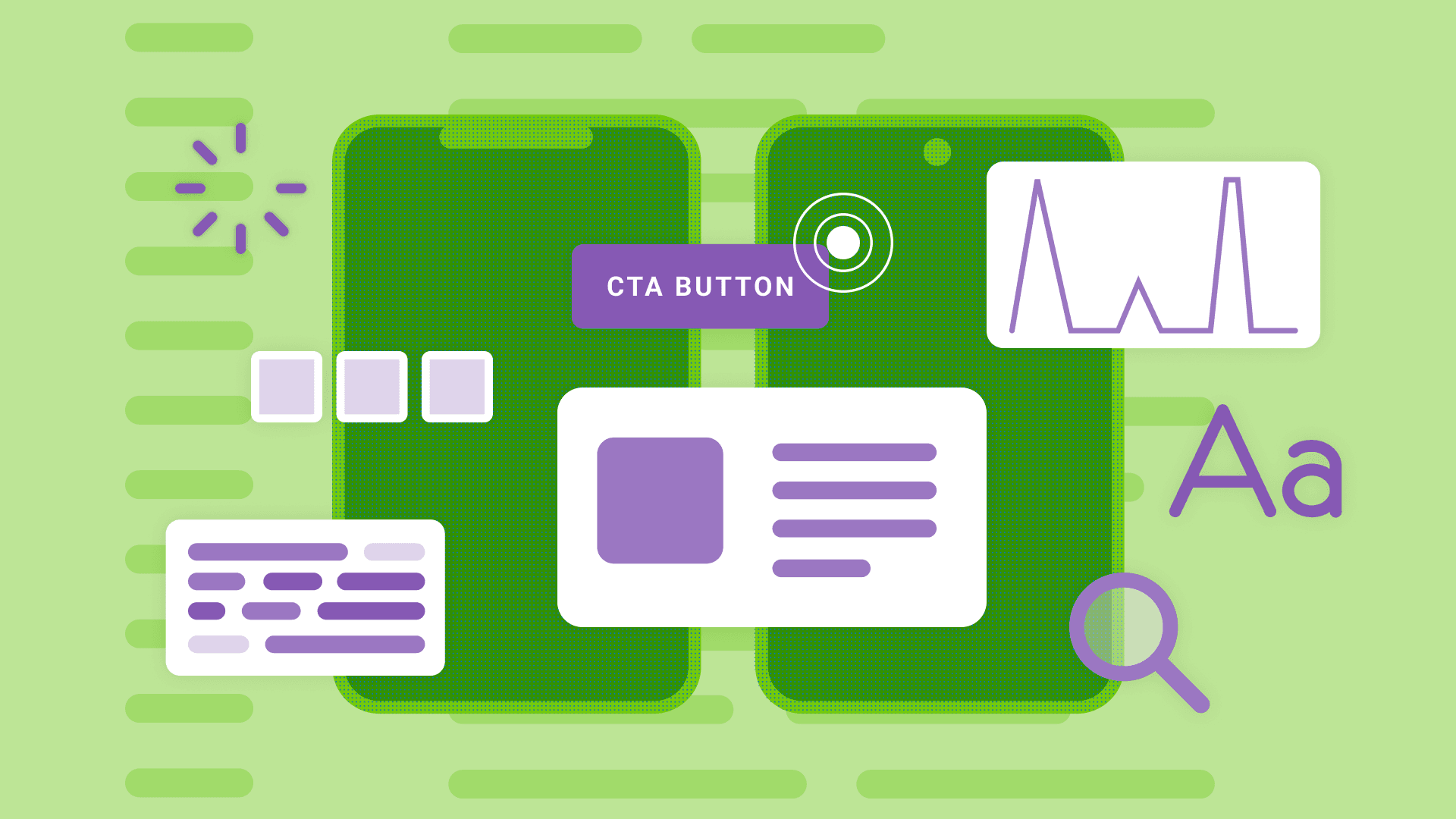
You shipped your latest release. You tested it on emulators, QA devices, and the latest OS versions. But now it’s live and running on thousands or millions of real devices, across a jungle of screen sizes, hardware specs, OS versions, and network conditions. A user reports a crash on an old Samsung device over 3G. Someone else complains the app feels “sluggish” after updating. You dig through logs. Rebuild test cases. Ping the backend team. Try to reproduce. Yet, still no answers.
Bee Klimt
There are certain important metrics that every mobile app has in common. At Honeycomb, we have surveyed these metrics across iOS and Android, and have defined a set of Core Mobile Vitals we think every app developer should care about. The purpose of these vitals is similar to that of Core Web Vitals for web frontends.