Honeycomb was built for the AI era. Learn how to futureproof your software for what comes next.
Discover why Honeycomb is the better choice for your engineers, your customers, and your bottom line.
Start your journey with the definitive guide to observability. Download our complimentary ebook.
Bring observability to every software engineer.
Learn about our company, mission and values.
Come for the impact, stay for the culture.
See Honeycomb's latest press releases, media, and more
Learn more about becoming a Honeycomb partner.
Already a Honeycomb customer?
Jessica Kerr (Jessitron)
Honeycomb exists to help people understand custom software. It doesn’t pretend to know what matters in your application. That’s an interpretive task, not programmatic.
Charity Majors
I think the entire DevOps movement was a mighty, twenty year battle to achieve one thing: a single feedback loop connecting devs with prod. On those grounds, it failed.
Tyler Helmuth
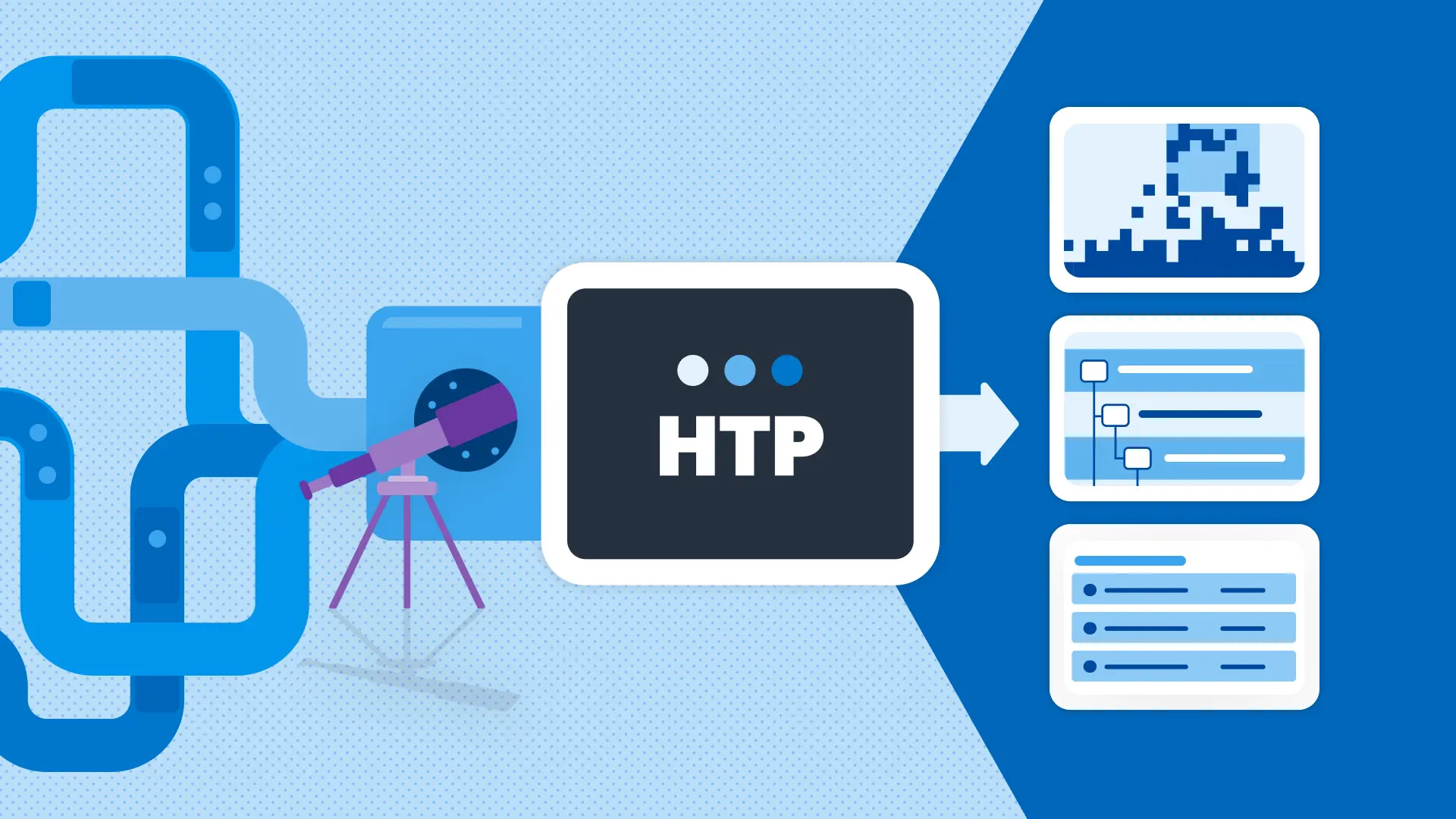
In this post, I’ll explain what OpAMP is and why OpenTelemetry created it, then dive into how we use it to power Honeycomb Telemetry Pipeline.
Alex Vondrak
In my previous post, we explored why Honeycomb is implemented as a distributed column store. Just as interesting to consider, though, is why Honeycomb is not implemented in other ways. So in this post, we’re going to dive into the topic of time series databases (TSDBs) and why Honeycomb couldn’t be limited to a TSDB implementation.
Rox Williams
In Charity's recent webinar with James Governor of RedMonk, she shared that most companies now spend somewhere between 20 and 25% of their entire infrastructure budget on their observability tools.
Application performance monitoring, also known as APM, represents the difference between code and running software. You need the measurements in order to manage performance.
Ken Rimple
There are at least two ways to report error details in OpenTelemetry. Web applications generally place exceptions in trace spans as span events, and mobile applications send exceptions as log messages instead. This article will help you understand which approaches you can use, and how the errors will appear in Honeycomb.
If there’s one thing clear from our AI-powered observability webinar, it’s that observability has officially graduated from a “nice-to-have” to a business-critical discipline, and AI is helping lead that charge.
Martin Thwaites
Non-deterministic UIs are the future, but they’re not here yet. So until then, we’re stuck with conversational interfaces.
Sol Escalada
For those not familiar with the term design system, at its core, it is a collection of reusable building blocks such as buttons, colors, text styles, icons. These blocks are also commonly referred to as components, which make everything look and feel cohesive, like it belongs to the same product.
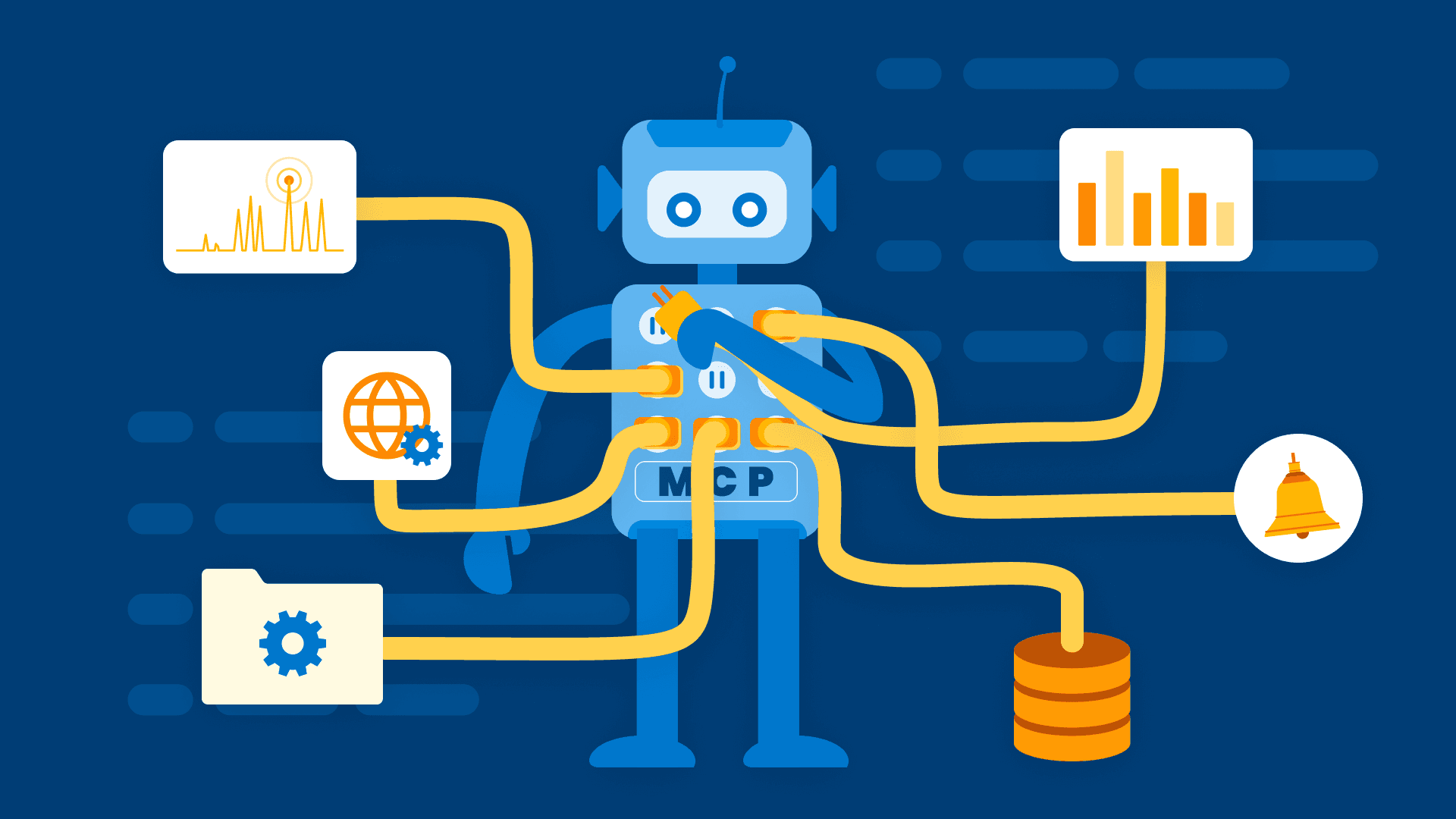
When MCPs don’t hog context, they still won’t often beat using the innate knowledge of the model. But when you are ready to curate the access that agents have to your SaaS or data, MCPs are fantastic.
Emily Nakashima
We’re excited to announce Honeycomb Private Cloud, an offering that combines powerful observability with deployment flexibility and enhanced governance controls.
Get it delivered straight to your inbox.
By subscribing to our newsletter, you agree to Honeycomb’s Terms of Service and Privacy Notice.
Jessica Parsons
Today, we’re introducing the latest enhancements to Honeycomb Telemetry Pipeline, which give teams deeper visibility into pipeline health, more efficient access to archived telemetry data, and reduced operational complexity.
Somewhere in here is the number that tells me why my checkout flow keeps breaking.
Morgante Pell
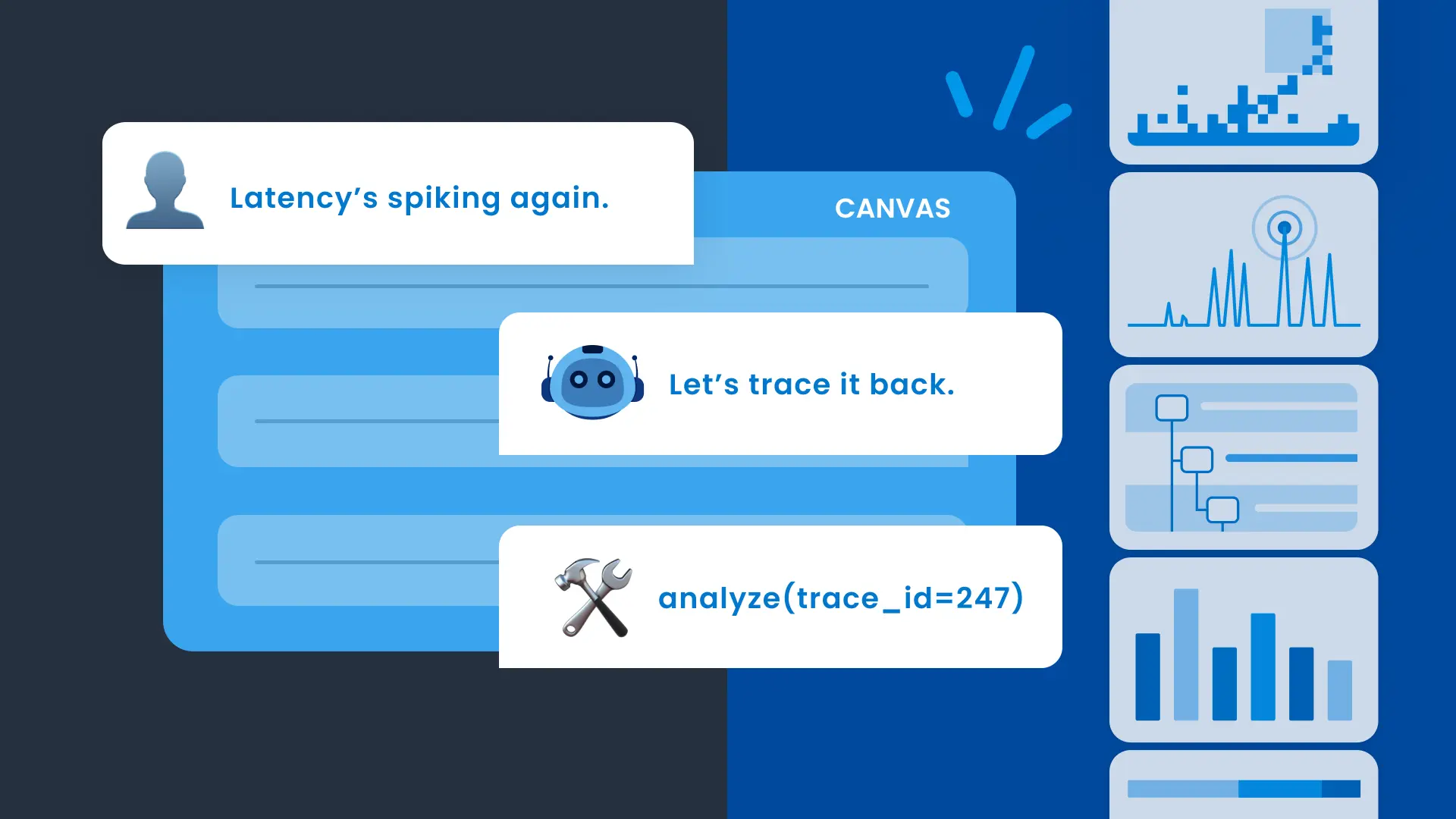
We’re thrilled to announce that Canvas is now Generally Available (GA) for all Honeycomb users.
Jacob Newton
Honeycomb’s role-based access control system helps teams strike that balance with a selection of Owner, Member, and Read-Only member roles.
Austin Parker
In this blog, I’d like to discuss why hallucinations aren’t the biggest problem in observability agents, the tradeoffs around data fidelity and task accuracy inherent in agent and tool design, and how to evaluate agentic capabilities as they apply to observability.
Hannah Henderson
Systems, like people, have things they "want" to do. Each model has patterns of reasoning and synthesis it performs naturally. Power users learn to align with these representational grooves to get the "best" results and the highest-signal reasoning per token.
Emil Protalinski
Software systems are increasingly complex. Applications can no longer simply be understood by examining their source code or relying on traditional monitoring methods. The interplay of distributed architectures, microservices, cloud-native environments, and massive data flows requires an increasingly critical approach: observability.
Hosted by Austin Parker, Morgante Pell, and James Bland from AWS, the conversation explored how Honeycomb’s new Model Context Protocol (MCP) is changing the way developers and AI agents interact with data.