Honeycomb was built for the AI era. Learn how to futureproof your software for what comes next.
Discover why Honeycomb is the better choice for your engineers, your customers, and your bottom line.
Start your journey with the definitive guide to observability. Download our complimentary ebook.
Bring observability to every software engineer.
Learn about our company, mission and values.
Come for the impact, stay for the culture.
See Honeycomb's latest press releases, media, and more
Learn more about becoming a Honeycomb partner.
Already a Honeycomb customer?
Max Aguirre
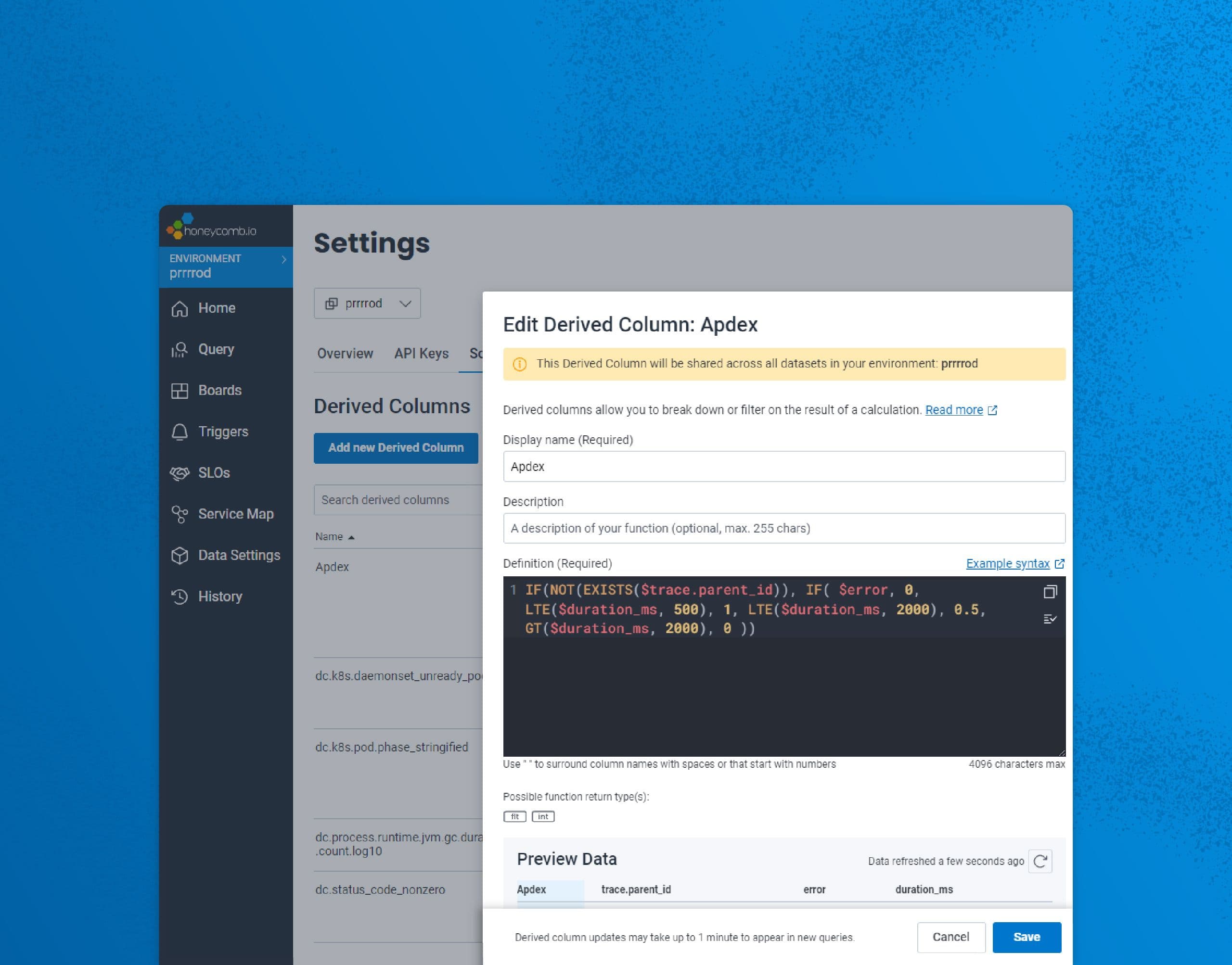
“How is my app performing?” is one of the most common, yet hardest questions to answer. There are myriad ways to measure this, like error rate, average response time, and so on. Enter the Application Performance Index (aka Apdex), a single metric that attempts to answer, “Are my application’s users happy?”
Fred Hebert
It’s one of my strongly held beliefs that errors are constructed, not discovered. However we frame an incident’s causes, contributing factors, and context ends up influencing the shape of the corrective items (if any) that get created. I’ll cover these ideas by using our June 3rd incident where a database migration caused a large outage by locking up a shared database and making it run out of connections.
Nick Travaglini
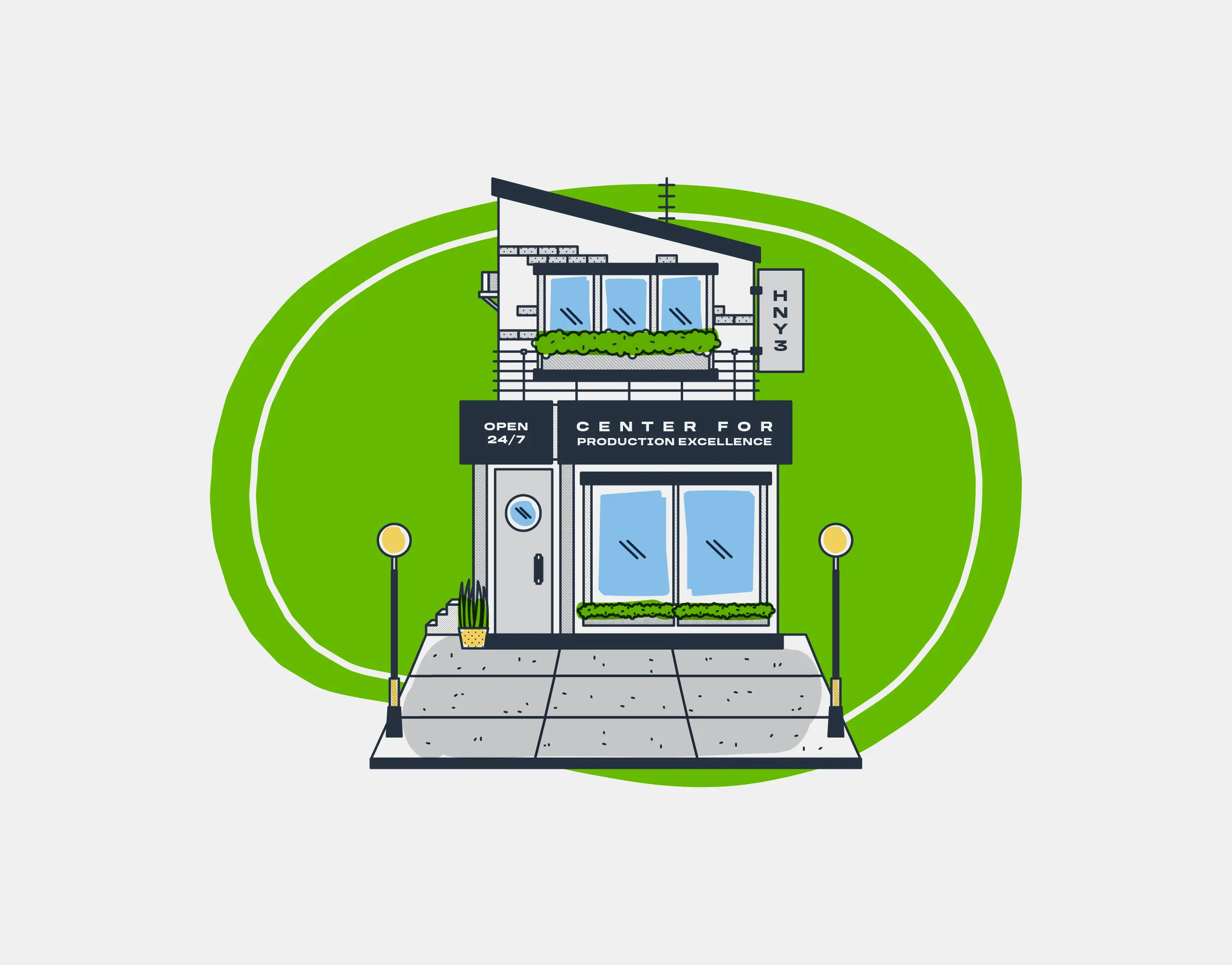
The CoPE is made to affect, meaning change, how things work. The disruption it produces is a feature, not a bug. That disruption pushes things away from a locally optimal, comfortable state that generates diminishing returns. It sets things on a course of exploration to find new terrains which may benefit it more—and for longer.
Lex Neva
In my last blog post, I explained why we decided to destroy one third of our infrastructure in production just to see what would happen. This is part two, where I go over the big day. How did our chaos engineering experiment go? Find out below!
Ruthie Irvin
Software changes so rapidly that developing on the cutting edge of it cannot fall to a single person. When it comes to asynchronously disseminating information about projects, code comments, PR conversations, Slack, RFCs, and other investigatory documents do a wonderful job, but no amount of async communication replaces the magic of two brains bouncing ideas off of each other.
We recently took a daring step to test and improve the reliability of the Honeycomb service: we abruptly destroyed one third of the infrastructure in our production environment using AWS’s Fault Injection Service. You might be wondering why the heck we did something so drastic. In this post, we’ll go over why we did it and how we made sure that it wouldn’t impact our service.
Getting the right people working in the CoPE is crucial to success because these change agents must limber up the organization and promote the flexibility necessary to perform resilience.
Liz Fong-Jones
Two years ago, we shared our experiences with adopting AWS Graviton3 and our enthusiasm for the future of AWS Graviton and Arm. Once again, we’re privileged to share our experiences as a launch customer of the Amazon EC2 R8g instances powered by AWS Graviton4, the newest generation of AWS Graviton processors.
Tyler Wilson
Generative AI is having a bit of a moment—well, maybe more than just a bit. It’s an exciting time to be alive for a lot of people. But what if you see stories detailing a six month old AI firm with no revenue seeking a $2 billion valuation and feel something other than excitement in the pit of your stomach?
Rox Williams
In the not-too-distant past, building software was relatively straightforward. The simplicity of LAMP stacks, Rails, and other well-defined web frameworks provided a stable foundation. Issues were isolated, systems failed in predictable ways, and engineers had time to innovate on new features for the business. And it was good.
Martin Thwaites
Having telemetry is all well and good—amazing, in fact. It’s easy to do: add some OpenTelemetry auto-instrumentation libraries to your stack and they’ll fill your disks with data pretty quickly. However, having good telemetry data—data that’s curated into being useful—is something that is both cost-effective and represents good value.
Everyone’s talking about “observability,” but many don’t know what it is, what it’s for, or what benefits it offers. With this framing of observability in terms of goals instead of tools, we hope teams will have better language for improving what their organization delivers and how they deliver it.
Get it delivered straight to your inbox.
By subscribing to our newsletter, you agree to Honeycomb’s Terms of Service and Privacy Notice.
Terra Field
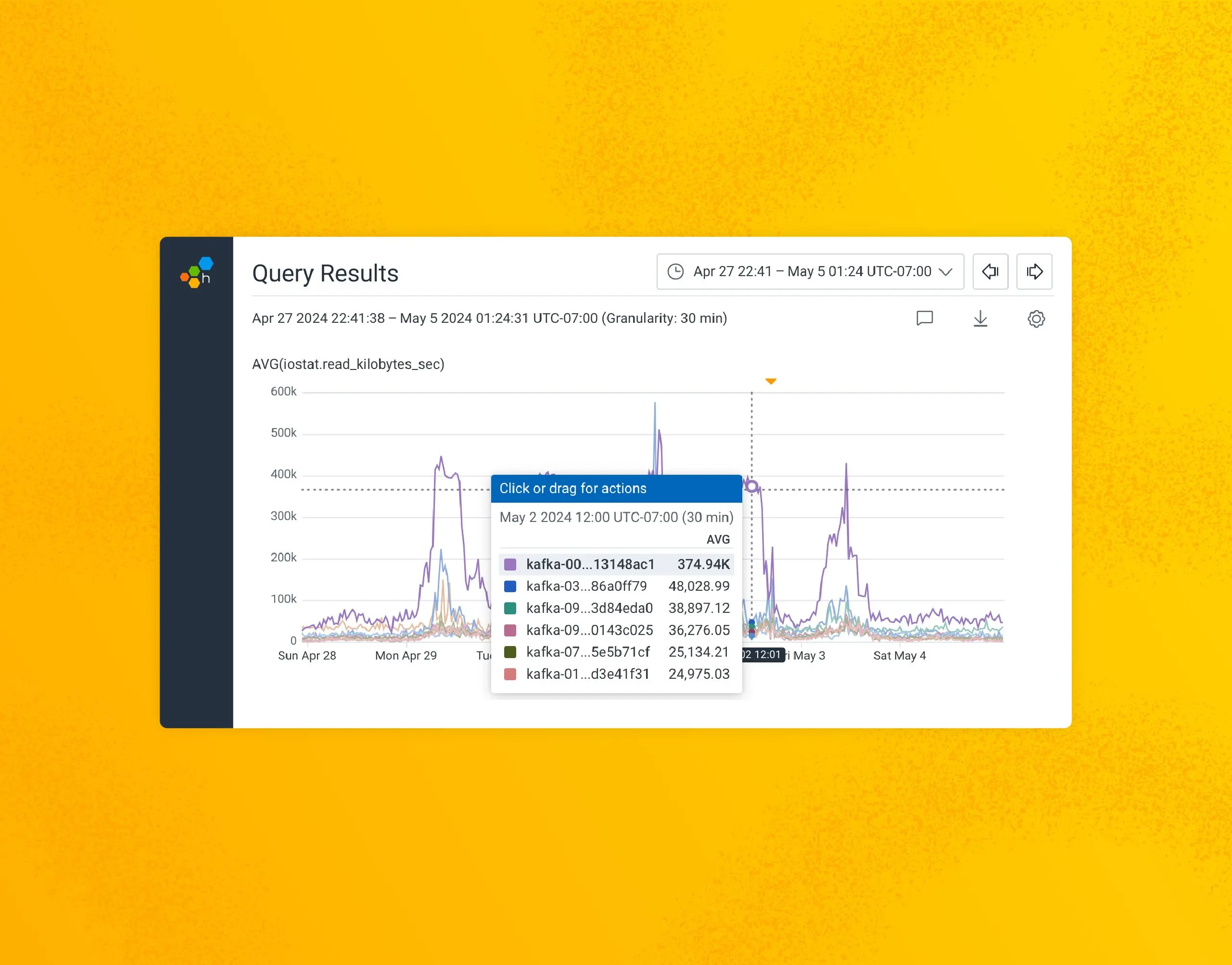
Earlier this year, we upgraded from Confluent Platform 7.0.10 to 7.6.0. While the upgrade went smoothly, there was one thing that was different from previous upgrades: due to changes in the metadata format for Confluent’s Tiered Storage feature, all of our tiered storage metadata files had to be converted to a newer format.
In part one of our CoPE series, we analogized the CoPE with safety departments. David Woods says that those safety departments must be: independent, involved, informed, informative. In this post, we’ll elaborate on what each of those characteristics means, why the CoPE should also match those qualifications, and how to achieve that status.
Hazel Edmands
Our storage engine, affectionately known as Retriever, has served us faithfully since the earliest days of Honeycomb. It’s a tool that writes data to disk and reads it back in a way that’s optimized for the time series-based queries our UI and API makes. As usage of this feature has grown, however, we’ve noticed Retriever creaking in novel ways, pushing us to reconsider a core architectural choice.
Jessica Nunn
Earlier this year, Honeycomb announced the launch of data residency in Europe. To meet the growing needs of our customers in the region, we are delighted to announce new Honeycomb Support business hours.
Software is in a crisis. This is nothing new. Complex distributed systems are perpetually in a state far from equilibrium, operating in what Richard Cook has called a “degraded mode.” It’s through a combination of technical artifacts, organizational practices and policies, and pure gumption that they manage to maintain themselves through time.
Charity Majors
In my February 2024 piece The Cost Crisis in Observability Tooling, I explained why the cost of tools built atop the three pillars of metrics, logs, and traces—observability 1.0 tooling—is not only soaring at a rate many times higher than your traffic increases, but has also become radically disconnected from the value those tools can deliver. Too often, as costs go up, the value you derive from these tools declines.
Over the past five years, software and systems have become increasingly complex and challenging for teams to understand. Simply understanding what’s broken is difficult enough, but trying to do so while balancing the need to constantly innovate and ship makes the problem worse. Your end users have options, and if your software systems are unreliable, they’ll choose a different one.
Winston Hearn
Recently, Honeycomb released a Web Instrumentation package built around the OpenTelemetry browser JS packages. In this post, I’ll go over what the OpenTelemetry auto-instrumentation package gives you, and what Honeycomb’s distribution adds in order to give you even more insight into your web services.