Honeycomb was built for the AI era. Learn how to futureproof your software for what comes next.
Discover why Honeycomb is the better choice for your engineers, your customers, and your bottom line.
Start your journey with the definitive guide to observability. Download our complimentary ebook.
Bring observability to every software engineer.
Learn about our company, mission and values.
Come for the impact, stay for the culture.
See Honeycomb's latest press releases, media, and more
Learn more about becoming a Honeycomb partner.
Already a Honeycomb customer?
Charity Majors
Many software engineers are encountering LLMs for the very first time, while many ML engineers are being exposed directly to production systems for the very first time. Both types of engineers are finding themselves plunged into a disorienting new world—one where a particular flavor of production problem they may have encountered occasionally in their careers is now front and center.
Jessica Kerr (Jessitron)
In high school chemistry and then college physics labs, we learned a strong definition of “experiment.” Experiments are tied to the Scientific Method, responsible for advancement of human knowledge.
Mei Luo
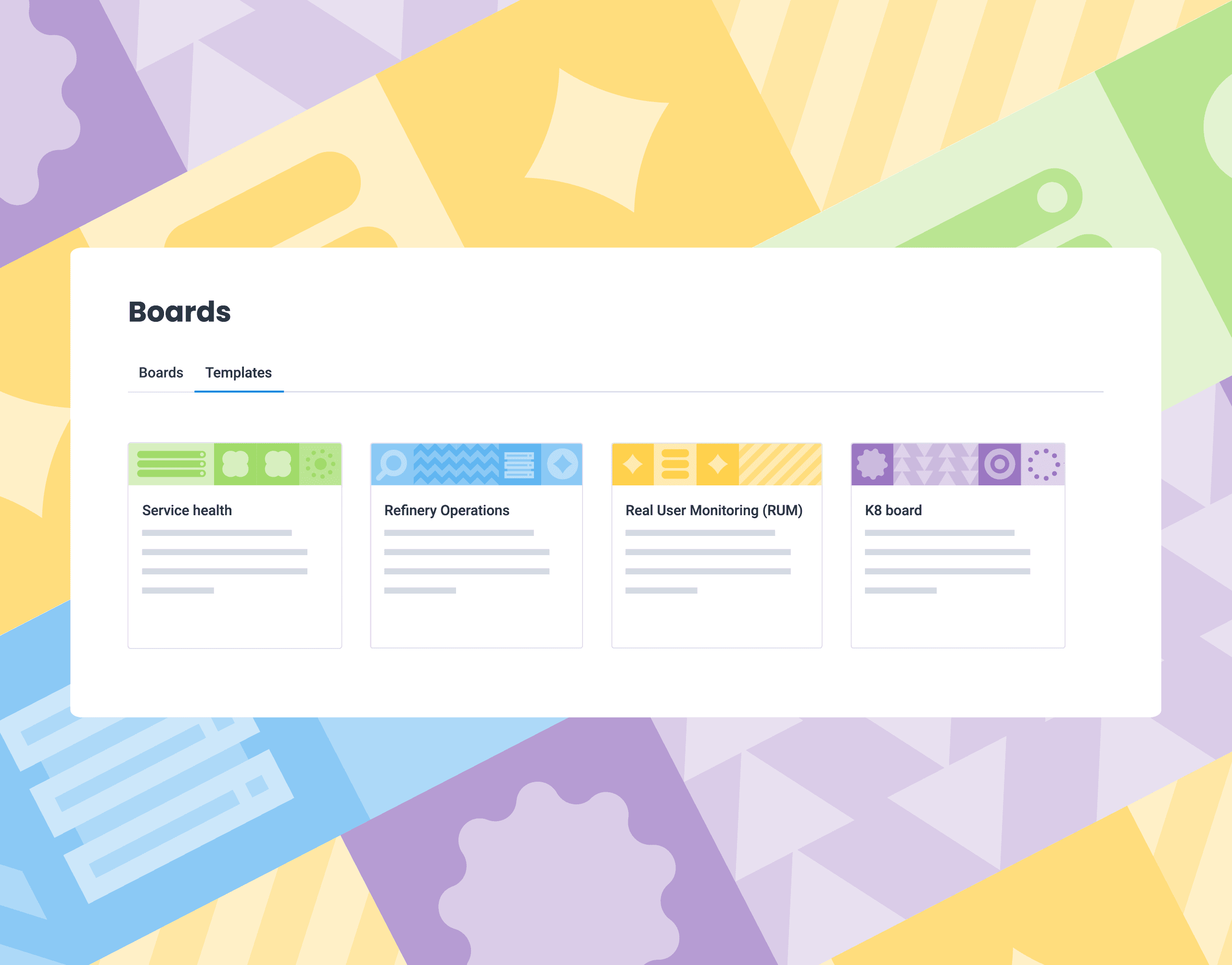
Whether you’re a new Honeycomb user or a seasoned expert looking to uncover fresh insights, chances are you’ve sent tremendous amounts of data into Honeycomb already. The question is: now what? We have the answer: Board templates.
Ian Duncan
At work, we use OpenTelemetry extensively to trace execution of our Haskell codebase. We struggled for several months with a mysterious tracing issue in our production environment wherein unrelated web requests were being linked together in the same trace, but we could never see the root trace span.
Martin Thwaites
The OpenTelemetry Collector is a useful application to have in your stack. However, deploying it has always felt a little time consuming: working out how to host the config, building the deployments, etc. The good news is the OpenTelemetry team also produces Helm charts for the Collector, and I’ve started leveraging them. There are a few things to think about when using them though, so I thought I’d go through them here.
Fred Hebert
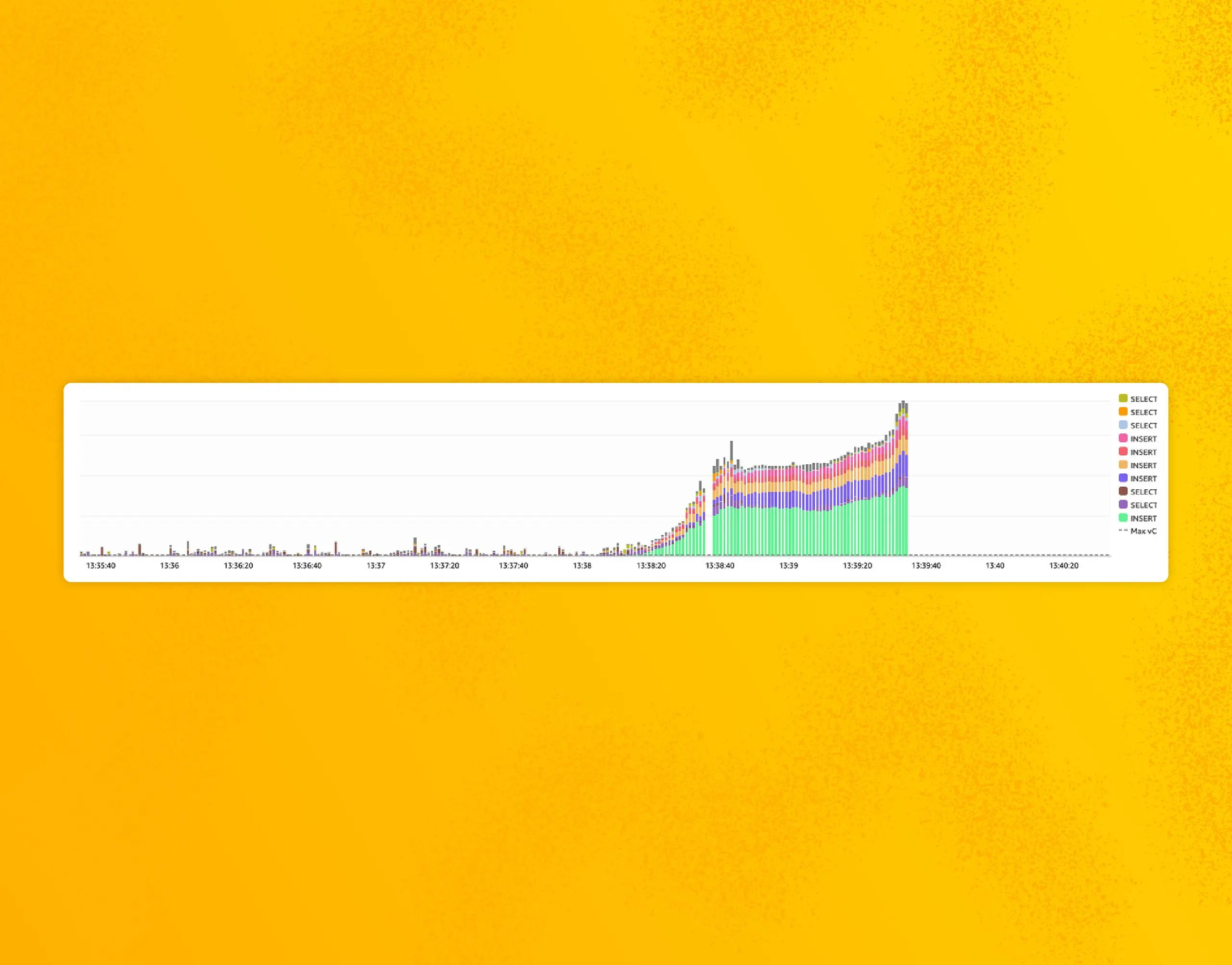
On July 25th, 2023, we experienced a total Honeycomb outage. It impacted all user-facing components from 1:40 p.m. UTC to 2:48 p.m. UTC, during which no data could be processed or accessed. This outage is the most severe we’ve had since we had paying customers. In this review, we will cover the incident itself, and then we’ll zoom back out for an analysis of multiple contributing elements, our response, and the aftermath.
Max Aguirre
What do mall food courts and Honeycomb have in common? We both love sampling! Not only do we recommend it to many of our customers, we do it ourselves. But once Refinery (our tail-based sampling proxy) is set up, what comes next?
Adnan Rahić
Our friends at Tracetest recently released an integration with Honeycomb that allows you to build end-to-end and integration tests, powered by your existing distributed traces. You only need to point Tracetest to your existing trace data source—in this case, Honeycomb. This guest blog post from Adnan Rahić walks you through how the integration works.
The Accelerate State of Devops Report highlights four key metrics (known as the DORA metrics, for DevOps Research & Assessment) that distinguish high-performing software organizations: deployment frequency, lead time for changes, time-to-restore1, and change…
Mike Terhar
Honeycomb is massively powerful at delivering detailed answers from the last several weeks of system telemetry within seconds. It keeps you in the flow state needed to work through complex system failures while asking question after question to get closer to the answer. The biggest trade-off is the 60 day retention limit.
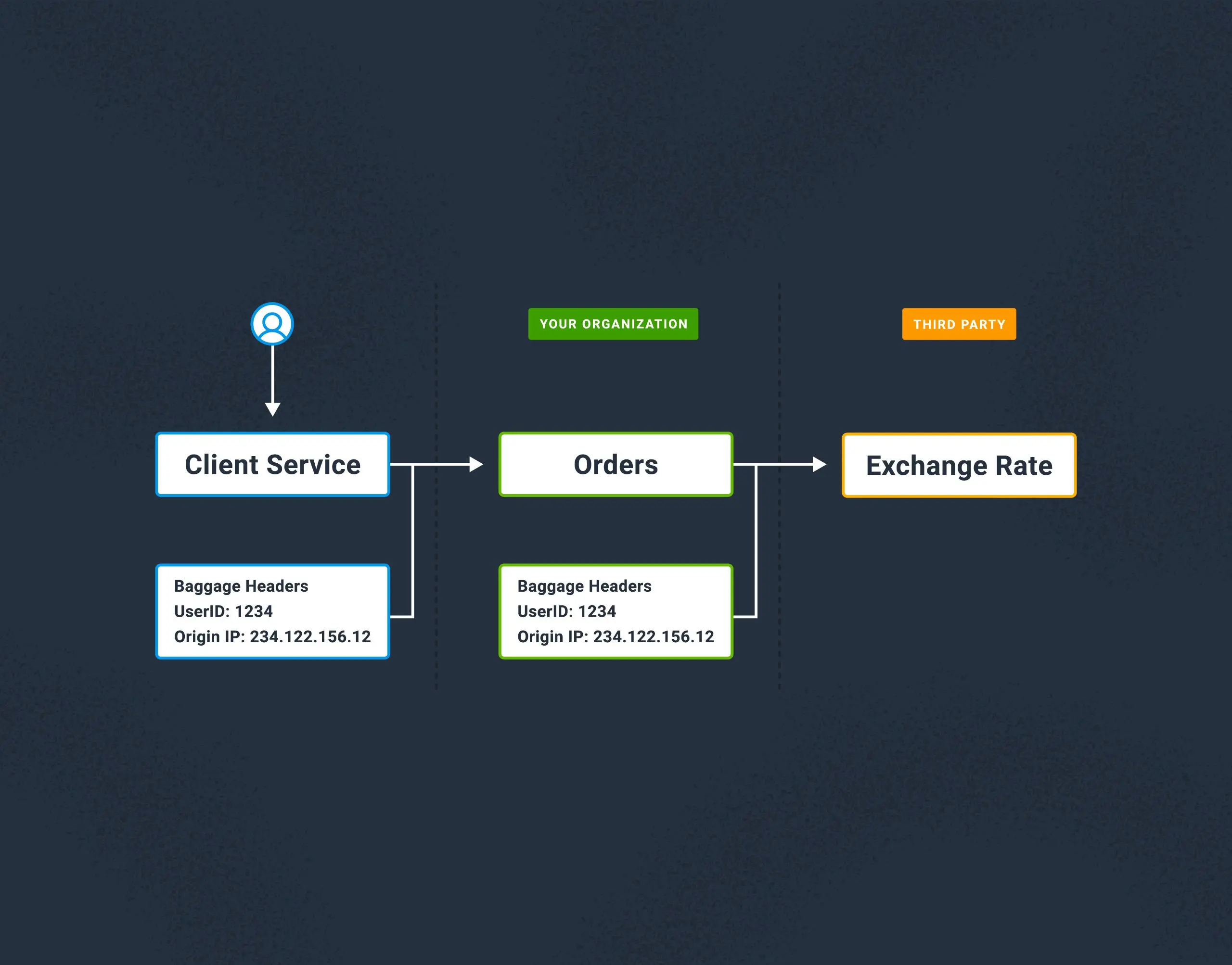
One of the issues with the W3C trace context is that it doesn’t define any standards for how far a trace is to propagate. If a third party accidentally sends trace headers from their service, you’ll use their trace IDs and baggage data. This can have unwanted affects on your telemetry backend, such as the trace showing missing root spans, or including multiple API calls in a single trace at the top level. This makes understanding and debugging trace data hard. Worse though, the baggage data from the third party could contain PII data, which would therefore mean you’re processing PII without realizing it.
Emily Nakashima
Engineers often feel they aren’t allowed enough time to address tech debt. Product partners wonder why engineers spend so much time working on it—or at least talking about it. “The business” always seems to insinuate that engineers should do less of it, instead focusing on shipping value to customers. And despite all this, many engineering leaders worry their teams may actually be under-investing in tech debt, in ways that could negatively impact the business over the long term.
Get it delivered straight to your inbox.
By subscribing to our newsletter, you agree to Honeycomb’s Terms of Service and Privacy Notice.
Phillip Carter
The OpenTelemetry Go project now supports automatic instrumentation via eBPF! This is a big milestone for the project and makes it significantly easier to generate data from your Go apps.
Kent Quirk
It’s rare to have too much telemetry—it’s not often that someone says “I wish I didn’t have all this information!” However, telemetry is data, and data is not necessarily information—particularly when you’re drowning in it. Honeycomb’s query engine is so fast and powerful that many customers can send us all their telemetry. As we say on our stickers, “The Backend Can Handle It.”
Valerie Silverthorne
Incident management is the way an organization reacts to any kind of outage (security, broken code, severe weather, or anything that’s disruptive to customer service). Incidents are inherently fraught, not just because they’re time consuming and costly, but because they can potentially poison the well with customers, investors, and even partners.
Nick Travaglini
In this post, we’re going to lay out the guiding principle that unifies the diverse world of CS as we see it—and show how we put it into practice.
Charity once said an off-hand sentence that became a mantra for my transition into the VP of Engineering role: “Directors run the company.” This was said in the context of thinking about how the various management roles around the company interact: line managers run teams and projects, directors run the day-to-day work of the company, and execs (including VPs) focus above all on strategy, external-facing matters, and longer-term planning for the company’s future.
Purvi Kanal
Each CWV measures a specific part of the end user experience. CWV scores can help identify gaps in web page performance. Additionally, Google uses CWV scores as one of the measures it uses to rank pages, which means they are important for SEO.
In February of 2020, I was promoted from Director of Engineering to Honeycomb’s first VP of Engineering. Although Charity wrote an extremely generous public announcement, I hesitated to talk about this new role for quite a while as I was figuring out the job. But since 2020, I’ve noticed how little candid writing there is about paths to the VPE role or what the job is really like.*
When the Gartner Magic Quadrant Report came out in 2022, we did the professional equivalent of a spit take, then cheered wildly. NOT ONLY did they include observability for the first time ever in their newly revamped 2022 Magic Quadrant for APM & [now] Observability, but they also put us in the Leader Quadrant—our debut appearance!