Honeycomb was built for the AI era. Learn how to futureproof your software for what comes next.
Discover why Honeycomb is the better choice for your engineers, your customers, and your bottom line.
Start your journey with the definitive guide to observability. Download our complimentary ebook.
Bring observability to every software engineer.
Learn about our company, mission and values.
Come for the impact, stay for the culture.
See Honeycomb's latest press releases, media, and more
Learn more about becoming a Honeycomb partner.
Already a Honeycomb customer?
Max Aguirre
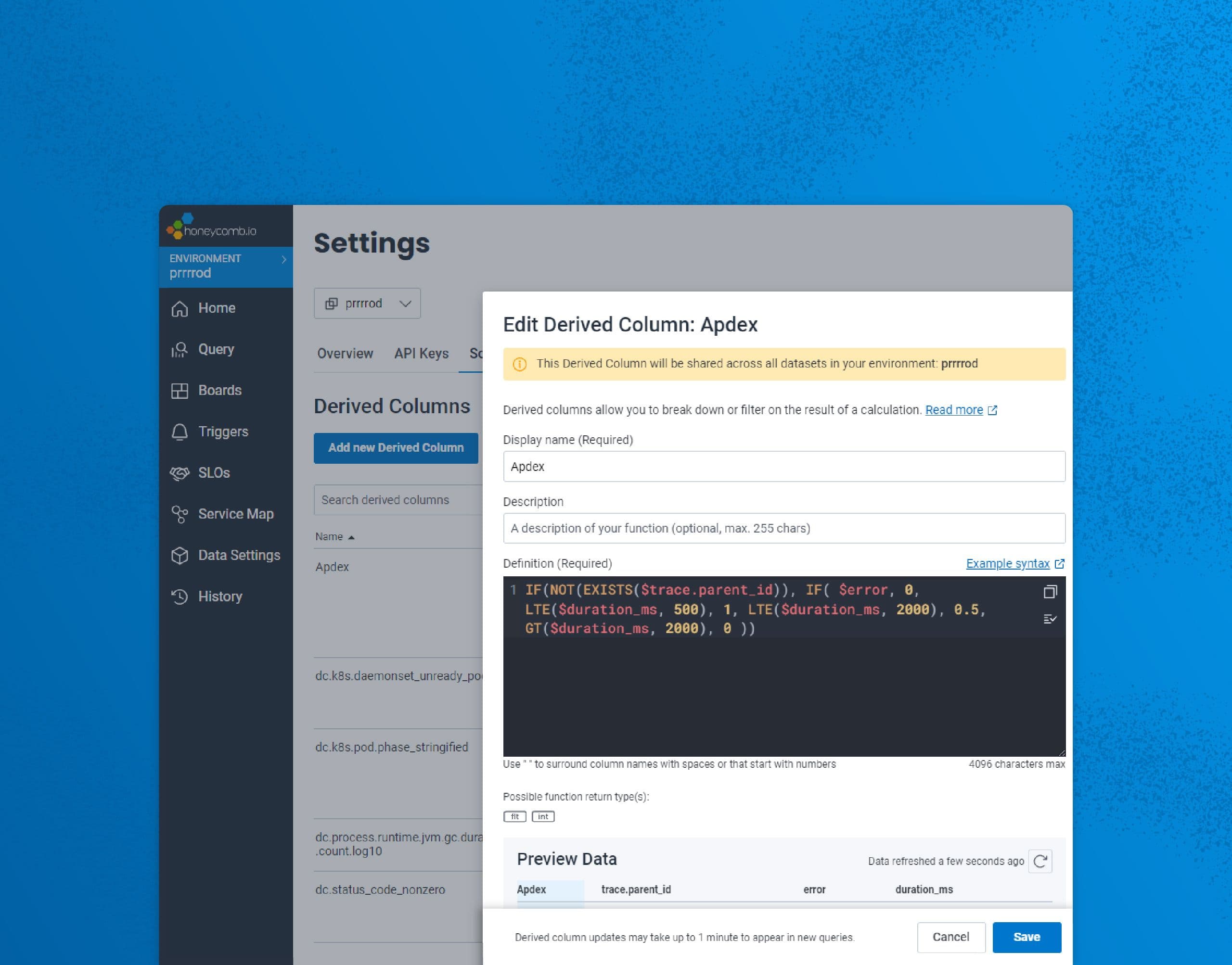
“How is my app performing?” is one of the most common, yet hardest questions to answer. There are myriad ways to measure this, like error rate, average response time, and so on. Enter the Application Performance Index (aka Apdex), a single metric that attempts to answer, “Are my application’s users happy?”
Rox Williams
In the not-too-distant past, building software was relatively straightforward. The simplicity of LAMP stacks, Rails, and other well-defined web frameworks provided a stable foundation. Issues were isolated, systems failed in predictable ways, and engineers had time to innovate on new features for the business. And it was good.
Liz Fong-Jones
Everyone’s talking about “observability,” but many don’t know what it is, what it’s for, or what benefits it offers. With this framing of observability in terms of goals instead of tools, we hope teams will have better language for improving what their organization delivers and how they deliver it.
Jessica Nunn
Earlier this year, Honeycomb announced the launch of data residency in Europe. To meet the growing needs of our customers in the region, we are delighted to announce new Honeycomb Support business hours.
Charity Majors
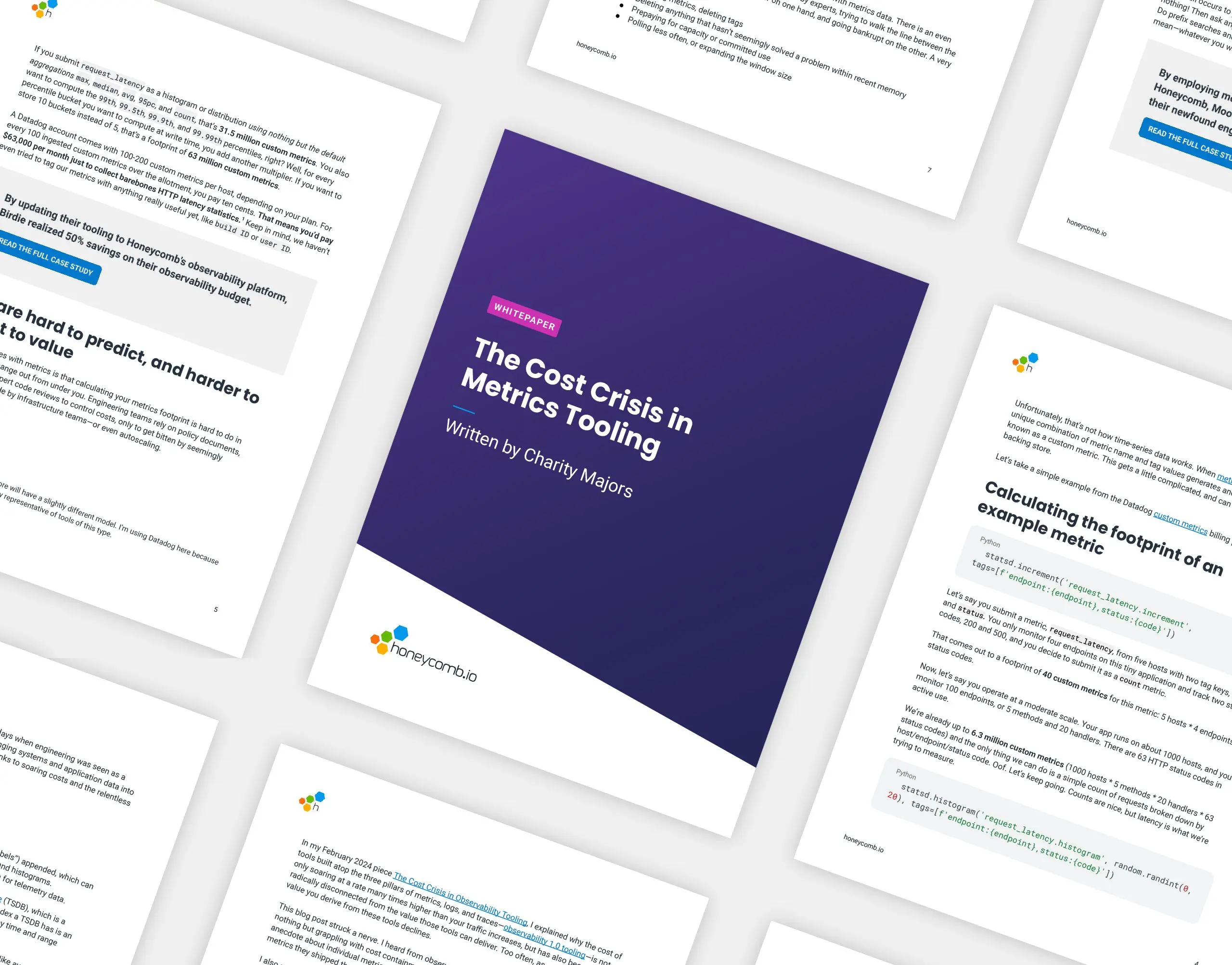
In my February 2024 piece The Cost Crisis in Observability Tooling, I explained why the cost of tools built atop the three pillars of metrics, logs, and traces—observability 1.0 tooling—is not only soaring at a rate many times higher than your traffic increases, but has also become radically disconnected from the value those tools can deliver. Too often, as costs go up, the value you derive from these tools declines.
Over the past five years, software and systems have become increasingly complex and challenging for teams to understand. Simply understanding what’s broken is difficult enough, but trying to do so while balancing the need to constantly innovate and ship makes the problem worse. Your end users have options, and if your software systems are unreliable, they’ll choose a different one.
Winston Hearn
Honeycomb for Frontend Observability gives frontend developers the ability to quickly identify opportunities for optimization within their web app. This starts with better OpenTelemetry instrumentation, available as an NPM package, that lets you instrument and collect attribution data on Core Web Vitals in under an hour.
Austin Parker
You’re probably familiar with the concept of real user monitoring (RUM) and how it’s used to monitor websites or mobile applications. If not, here’s the short version: RUM requires telemetry data, which is generated by an SDK that you import into your web or mobile application. These SDKs then hook into the JS runtime, the browser itself, or various system APIs in order to measure performance. These SDKs are usually pretty optimized for both speed and size—you don’t want the dependency that tells you how fast or slow your application is to impact your application speed, after all.
Jessica Kerr (Jessitron)
Today at Google Next, Charity Majors demonstrated how to use Honeycomb to find unexpected problems in our generative AI integration. Software components that integrate with AI products like Google’s Gemini are powerful in their ability to surprise us. Nondeterministic behavior means there is no such thing as “fully tested.” Never has there been more of a need for testing in production!
Purvi Kanal
In a previous blog post, we outlined how to set up our own auto-instrumentation to send Core Web Vitals data to Honeycomb. We recently released a beta version of an OpenTelemetry wrapper to send traces from the browser to Honeycomb.
There’s a sentence that strikes fear into the heart of every frontend developer I’ve ever met: Users are reporting issues, and we don’t know how to replicate them. What do you do when that happens? Do you cry? Do you mark the issue as wontfix and move on? Personally, I took the road less traveled: gave up frontend engineering and moved into product management (this is not actually accurate but it’s a good joke and it feels truthy).
Kate Guarente-Smith
We’re excited to unveil a new collaboration with Focused Labs, a leap forward in our shared commitment to advancing modern observability practices and enhancing the robustness of legacy systems. This partnership is not just about scaling our service offerings but also about integrating Focused Labs’ deep engineering expertise with our observability platform to deliver unparalleled customer experiences.
Get it delivered straight to your inbox.
By subscribing to our newsletter, you agree to Honeycomb’s Terms of Service and Privacy Notice.
In twenty years of software development, I did not have the privilege of being on call, of tending to my software in production. I’ve never understood what “APM” means. Anybody can tell me what it stands for—Application Performance Monitoring (or sometimes, the M means Management)—but what does it mean? What do people use APM for? Now, I work at an observability company—and still, no one can give me a satisfying definition of “APM.” So I did some research, and now the use of APM makes sense from a few angles.
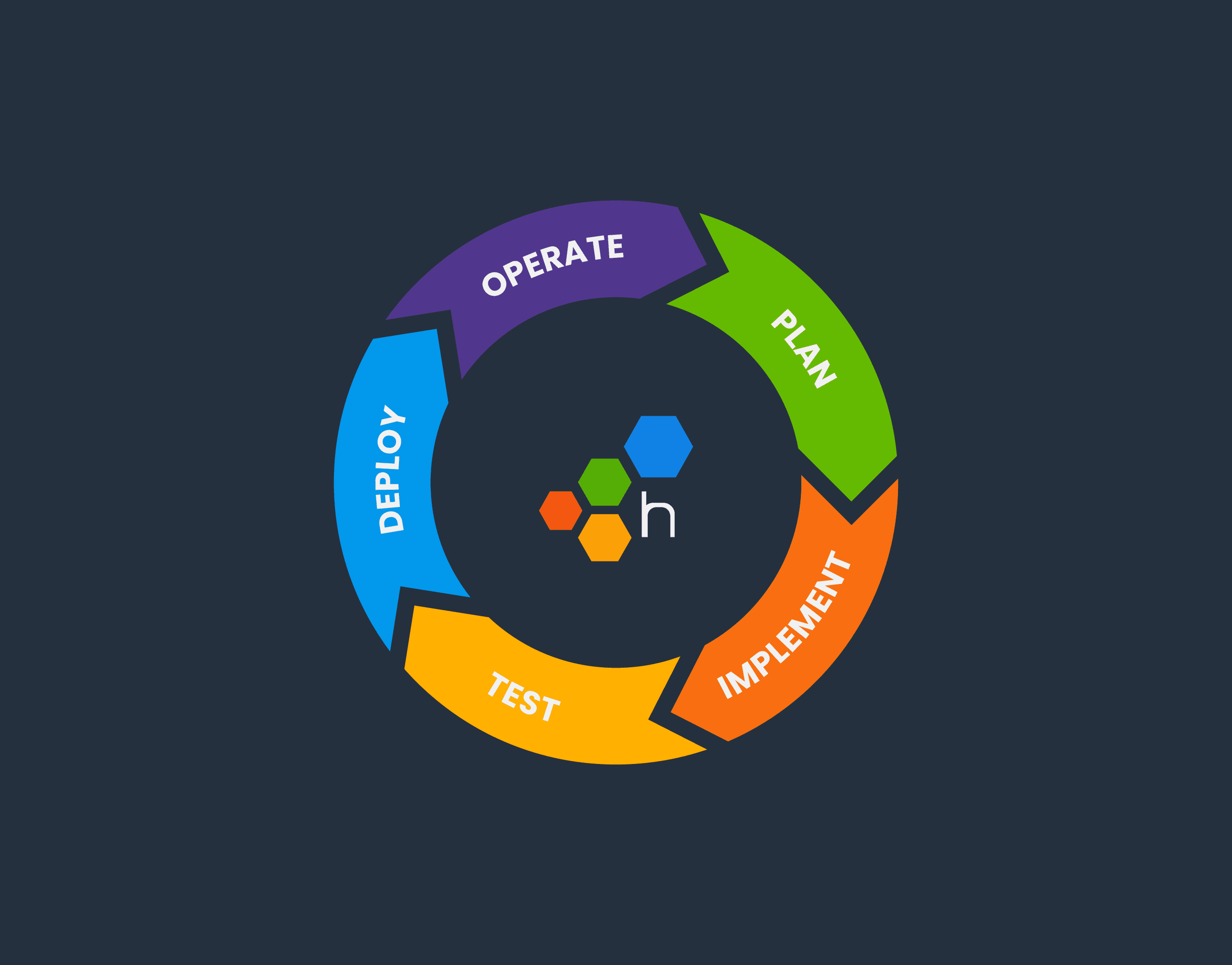
The software development lifecycle (SDLC) is always drawn as a circle. In many places I’ve worked, there’s no discernable connection between “5. Operate” and “1. Plan.” However, at Honeycomb, there is.
The cost of services is on everybody’s mind right now, with interest rates rising, economic growth slowing, and organizational budgets increasingly feeling the pinch. But I hear a special edge in people’s voices when it comes to their observability bill, and I don’t think it’s just about the cost of goods sold. I think it’s because people are beginning to correctly intuit that the value they get out of their tooling has become radically decoupled from the price they are paying.
Fahim Zaman
For developers, understanding the performance of shipped code is crucial. Through the last decade, a tablestake function in software monitoring and observability solutions has been to save and track app metrics. Engineers love tools that get out of your way and just work, and the appeal of today’s best-in-class application performance monitoring (APM) suites lies in a seamless day zero experience with drop-in agent installs, button click integrations, and immediate metrics collection. However, the success of no-hassle metrics comes with a caveat—the internet is replete with examples of premiere application monitoring costs spiraling beyond expectations.
Jamie Danielson
Observability is important to understand what’s happening in production. But carving out the time to add instrumentation to a codebase is daunting, and often treated as a separate task to writing features. This means that we end up instrumenting for observability long after a feature has shipped, usually when there’s a problem with it and we’ve lost all context. What if we instead treated observability similarly to how we treat tests? We don’t submit code without a test, so let’s do the same with observability: treat it as part of the feature while the code is still fresh in our mind, with the benefit of being able to observe how the feature behaves in production.
Phillip Carter
Like many companies, earlier this year we saw an opportunity with LLMs and quickly (but thoughtfully) started building a capability. About a month later, we released Query Assistant to all customers as an experimental feature. We then iterated on it, using data from production to inform a multitude of additional enhancements, and ultimately took Query Assistant out of experimentation and turned it into a core product offering. However, getting Query Assistant from concept to feature diverted R&D and marketing resources, forcing the question: did investing in LLMs do what we wanted it to do?
Many software engineers are encountering LLMs for the very first time, while many ML engineers are being exposed directly to production systems for the very first time. Both types of engineers are finding themselves plunged into a disorienting new world—one where a particular flavor of production problem they may have encountered occasionally in their careers is now front and center.
Adnan Rahić
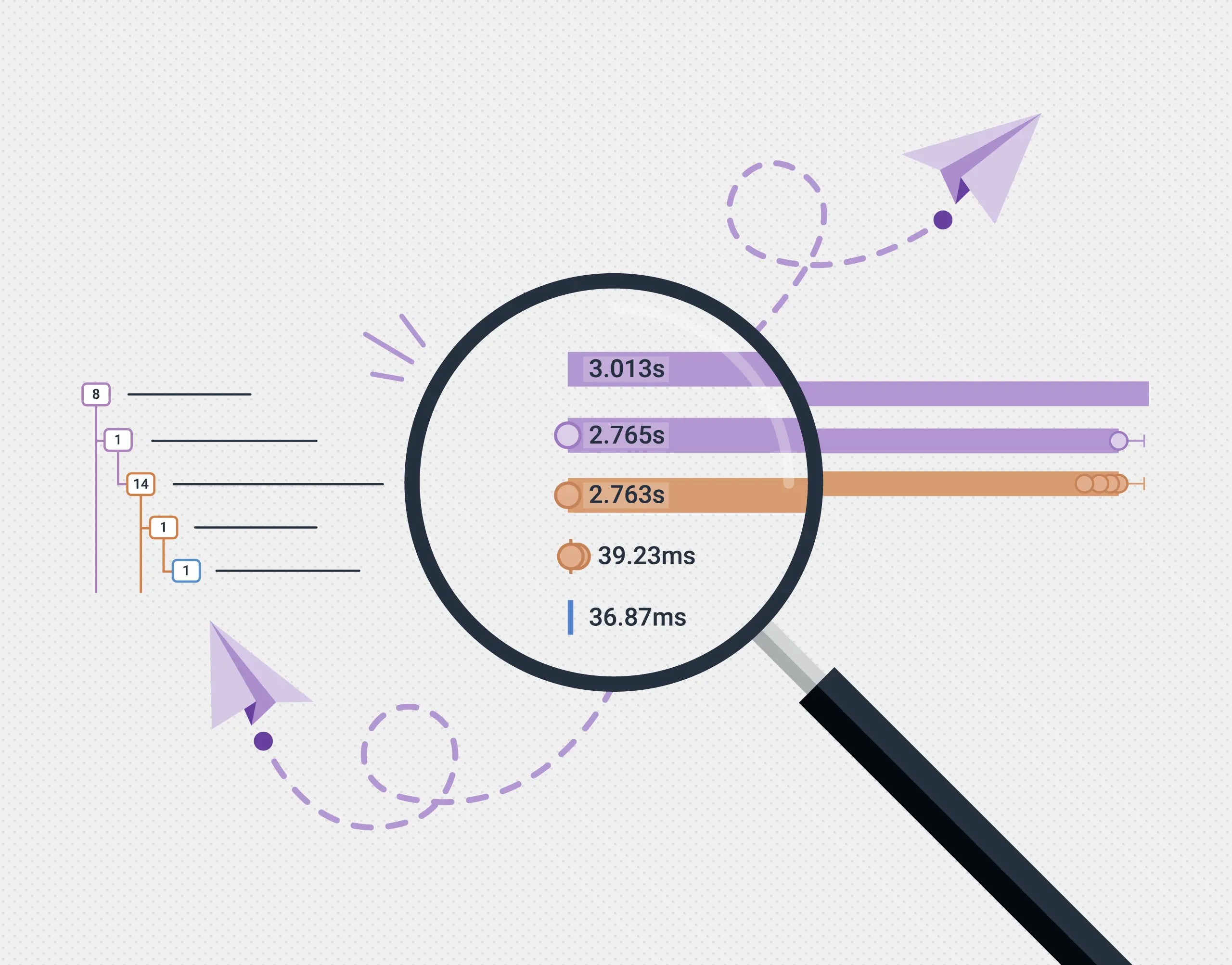
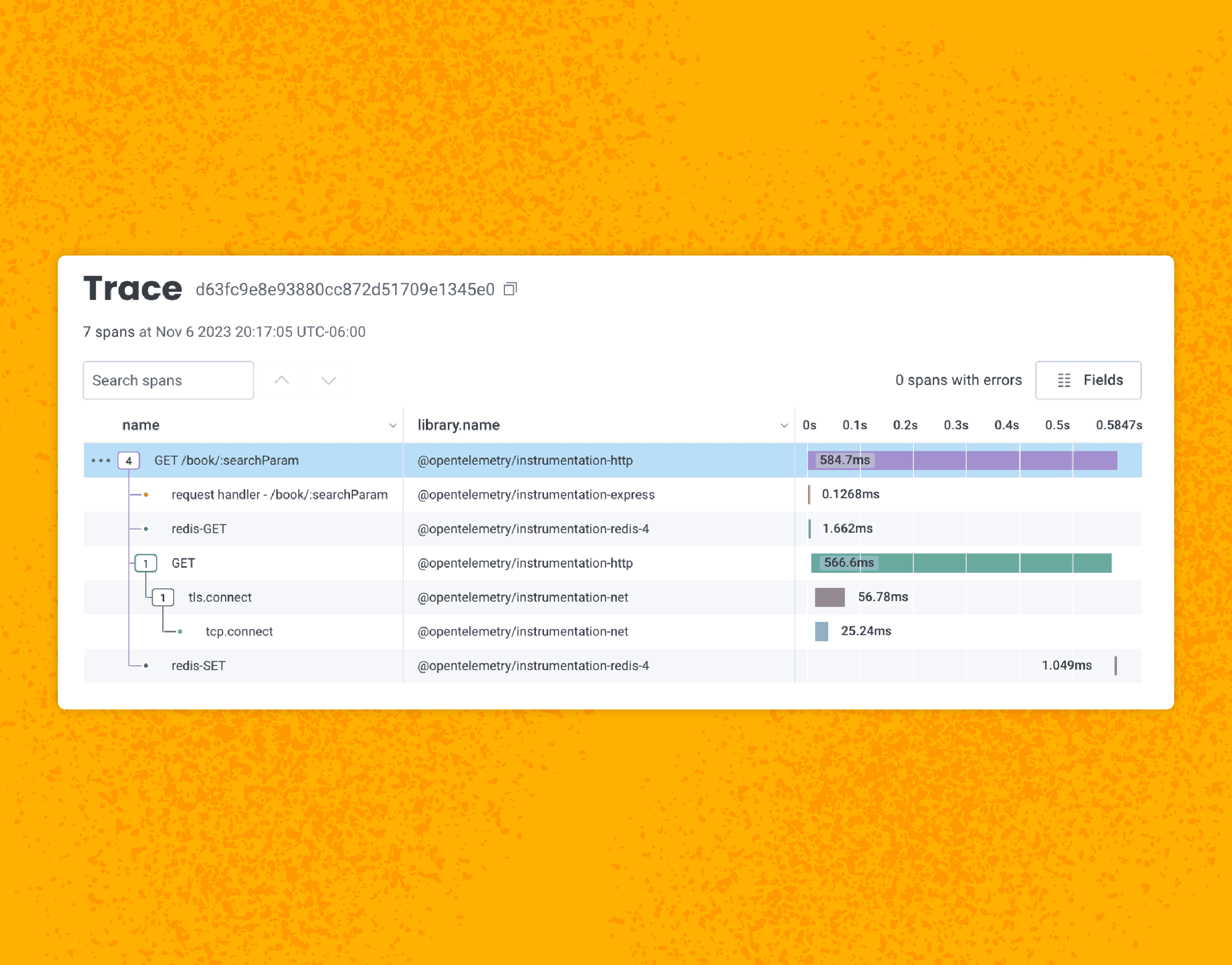
Our friends at Tracetest recently released an integration with Honeycomb that allows you to build end-to-end and integration tests, powered by your existing distributed traces. You only need to point Tracetest to your existing trace data source—in this case, Honeycomb. This guest blog post from Adnan Rahić walks you through how the integration works.